South Carolina's Natural Wildflower Communities —
THE COASTAL PLAIN:
The bottomland forest communities
Bottomland forests occupy the floodplains above the upper limit of the tidal influence that flanks the coastal plain river systems. These forests and their associated fauna comprise remarkably productive riverine communities that are adapted to fluctuating water levels. In the face of intensive land use of the adjacent uplands, the bottomland forests today serve as refuges for floodplain species and upland wildlife species.
Two major types of rivers traverse the lowcountry: brownwater and blackwater.
Brownwater rivers originate in the mountain and piedmont areas and have broad and fertile floodplains due to the great quantity of nutrient-rich alluvium that is deposited when the rivers overflow their banks. The brown color of the water comes from the silt and clay that erode from the piedmont and mountains and are suspended in the water. Most brownwater rivers, such as the Santee and Savannah Rivers, have periods of sustained high flow that result from the cumulative effects of many tributaries and distant rainfall.
Blackwater rivers and tributary streams originate in the coastal plain and receive most of their water from local rain. They have narrower, less well-developed floodplains than the brownwater rivers since little alluvium is deposited. Unlike the brownwater rivers, the blackwater rivers may have dry periods when discharge is low. The term blackwater comes from the relatively sediment-free, but highly colored water that results from the presence of organic acids derived from decaying leaves. Examples of blackwater rivers are the Cooper, Ashley, Combahee, Ashepoo, New, Four Holes, Waccamaw and Black.
Three major bottomland communities occur on brownwater and blackwater river floodplains above the zone of tidal influence:
bald cypress-tupelo gum swamp forests,
levee forests, and
bottomland hardwoods.

Bald cypress-tupelo gum swamp forests
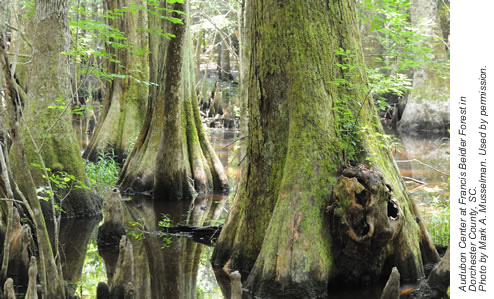
The bottomland bald cypress-tupelo gum swamps represent the forested community least disturbed in the coastal plain. Still, only a few original growth stands remain.
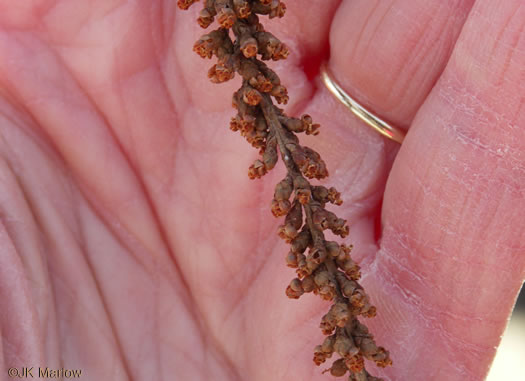
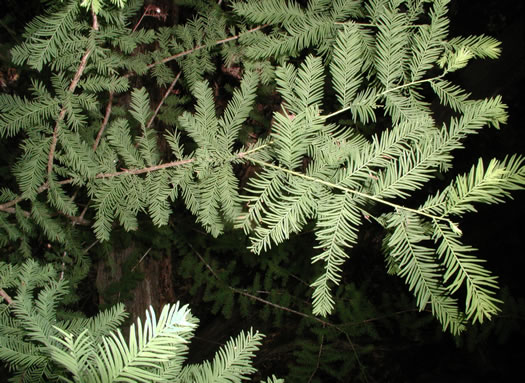
In swamps where the land is flooded almost continuously, bald cypress (Taxodium distichum) and tupelo gum (Nyssa aquatica) may coexist, or each may occur separately in pure stands. Pure tupelo stands, however, often become established following the clear-cutting of cypress-tupelo stands. Knee formations of cypress, reaching 6 feet or more, and buttress formations of cypress and tupelo gum are more pronounced in deep sloughs. Shrubs and herbs are sparse because of the flooded conditions and dense canopy. Herbs growing on floating logs and stumps are a distinct swamp microhabitat. Species characteristic of this microhabitat are
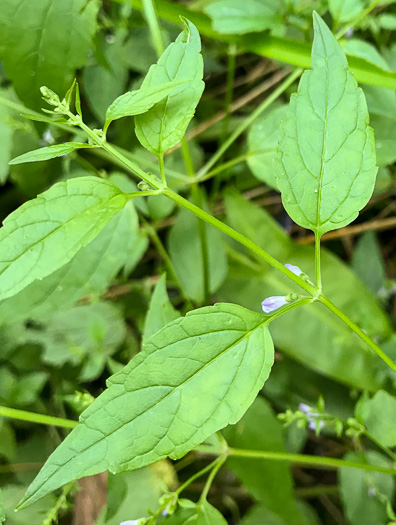
skullcap (Scutellaria lateriflora),
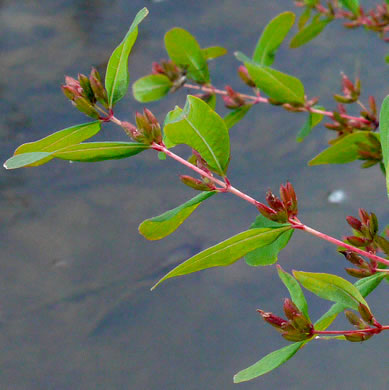
St. John’s-wort (Hypericum walteri),
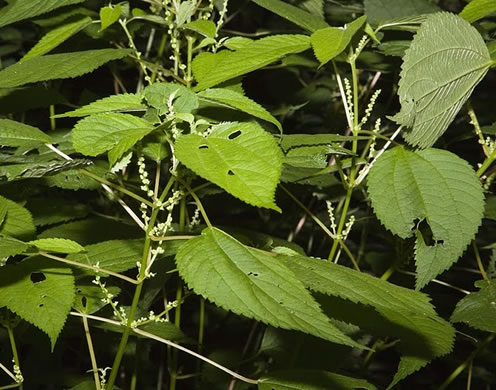
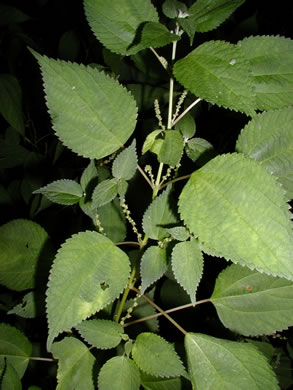
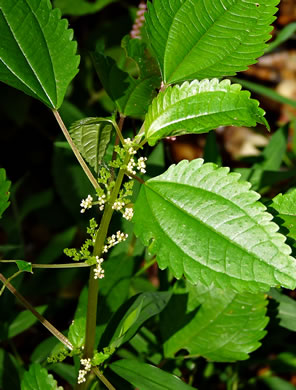
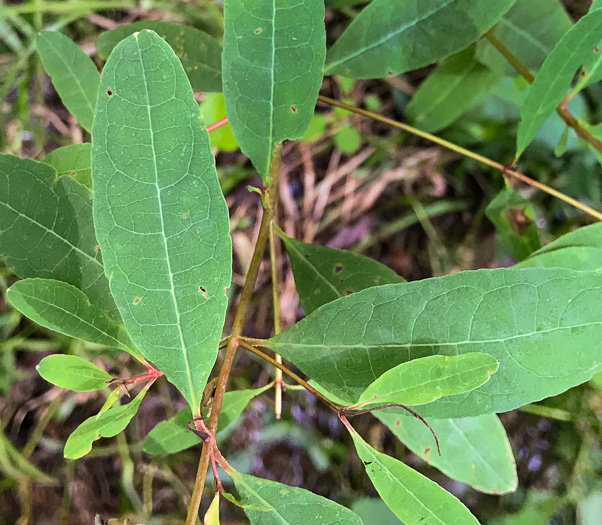
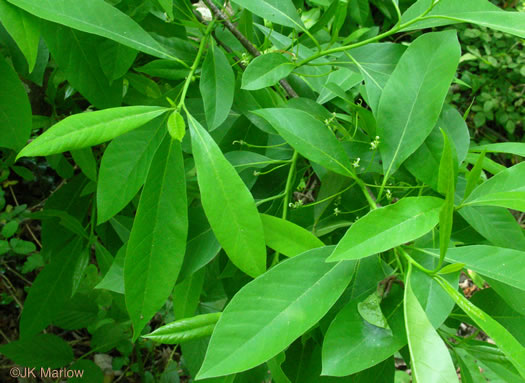
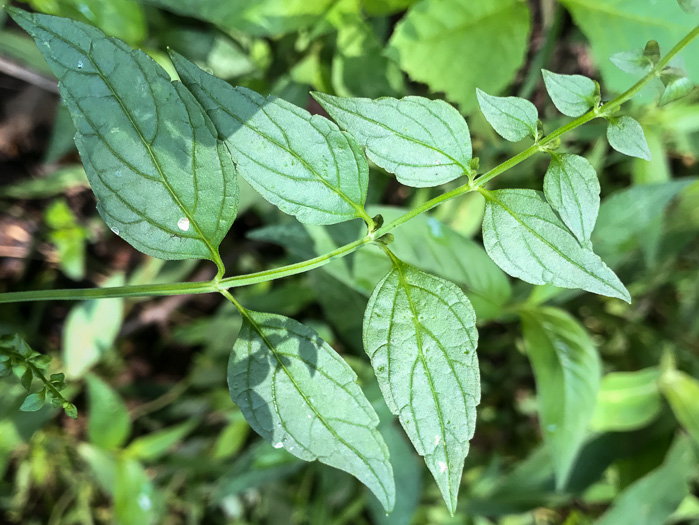
false nettle (Boehmeria cylindrica),
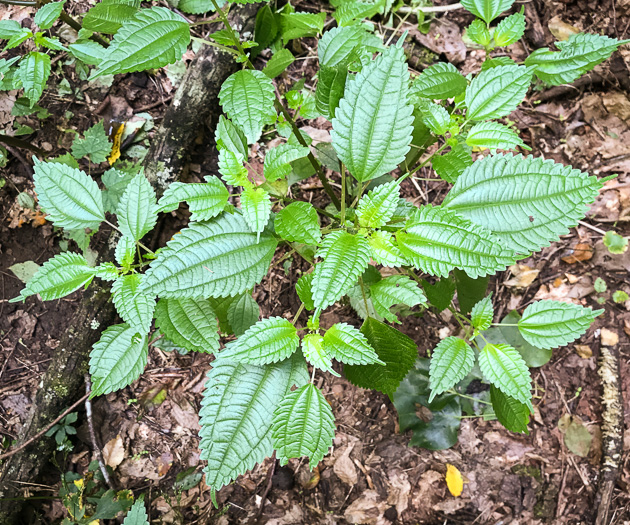
and clearweed (Pilea pumila).
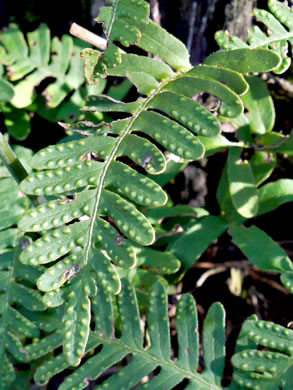
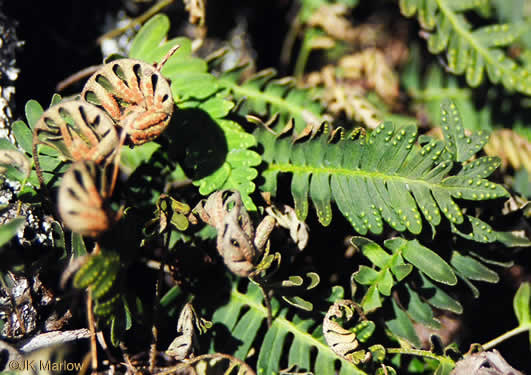
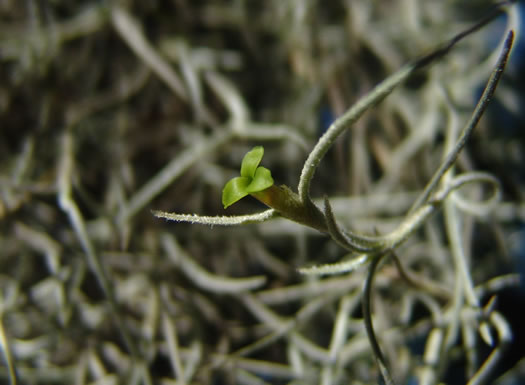
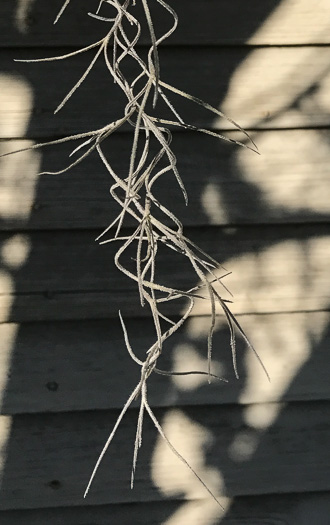
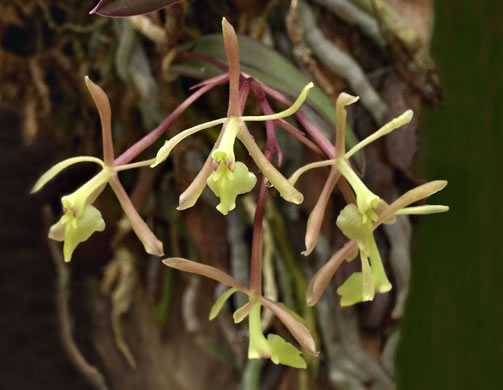
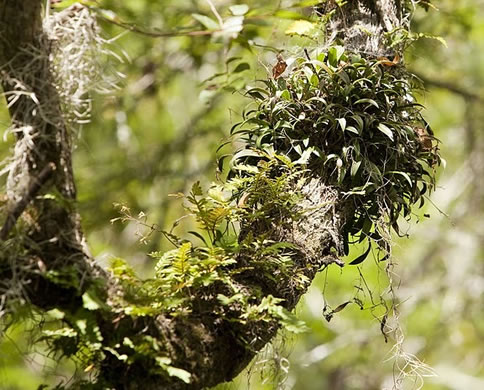
The epiphytes green-fly orchid, Spanish moss, and resurrection fern grow on branches of trees.
Vines such as
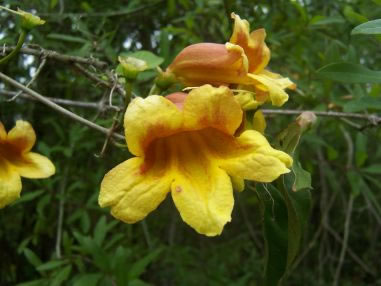
cross-vine (Bignonia capreolata),
coral greenbrier (Smilax walterii),
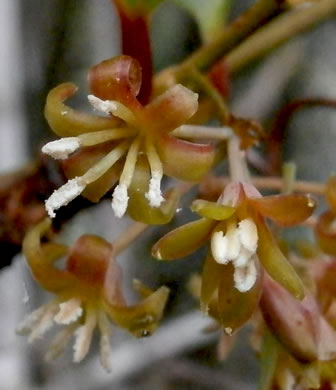
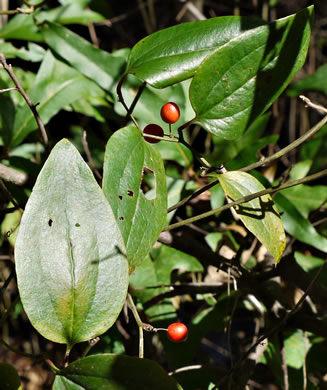
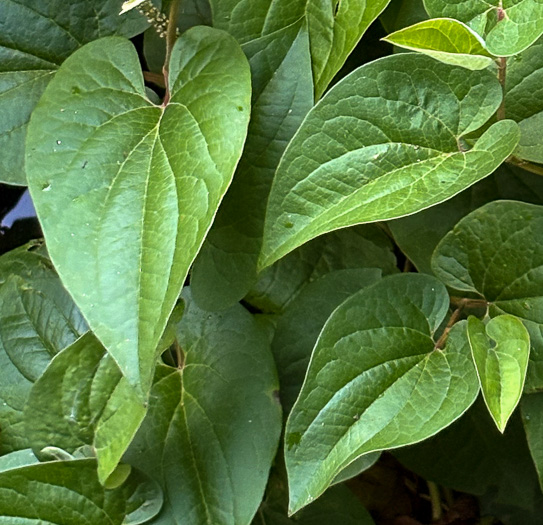
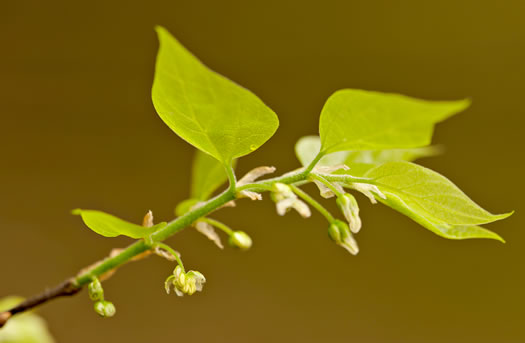
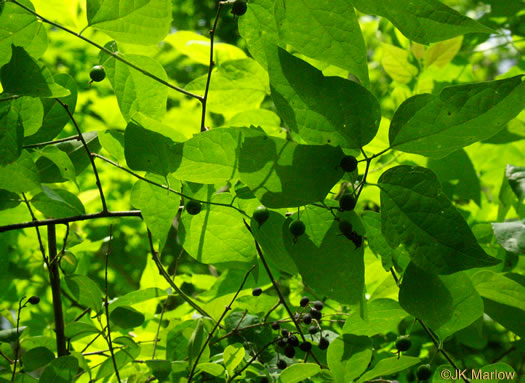
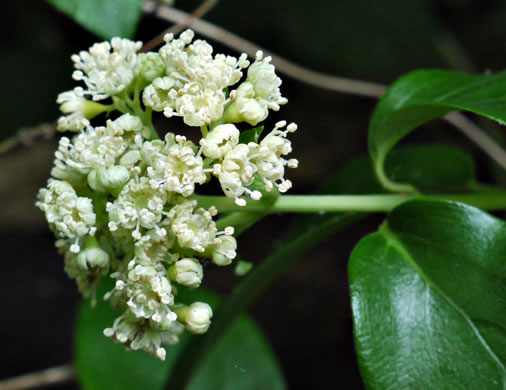
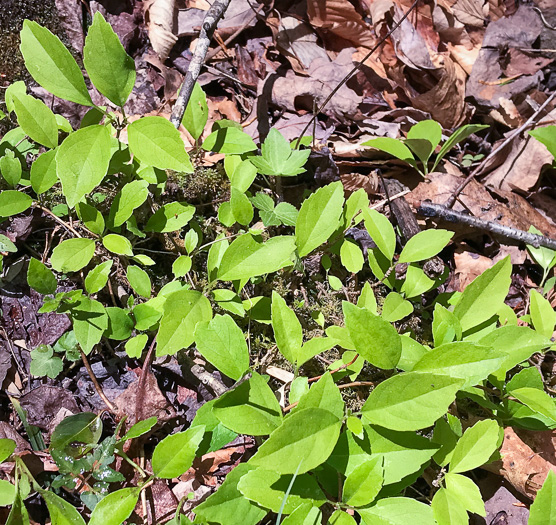
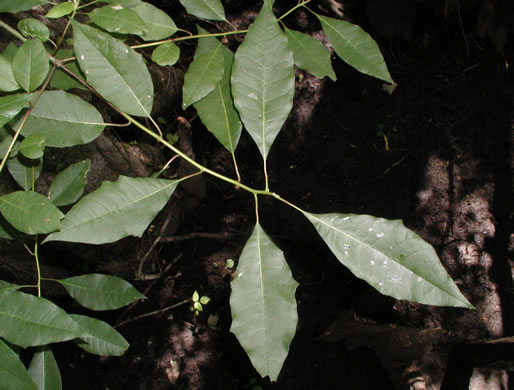
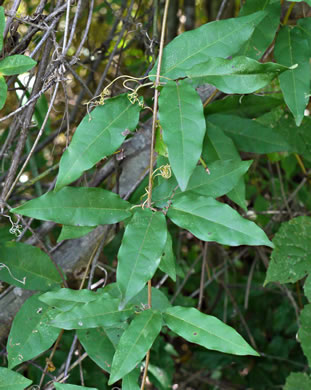
supplejack (Berchemia scandens),
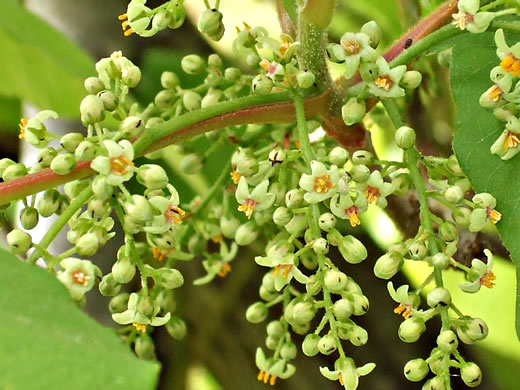
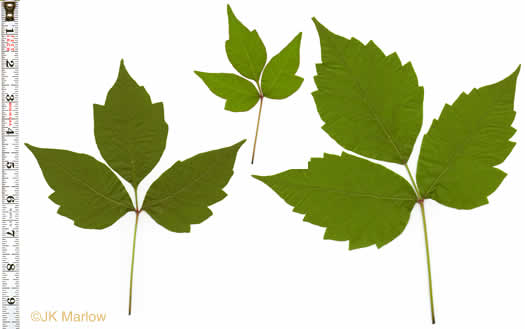
and poison ivy
exhibit pronounced growth, especially at the margin of the swamps. Ladies'-eardrops (Brunnichia ovata), a rare semiwoody vine, can be found on the margin of the swamp forests near lakes or ponds. Often the swamps have lakes within them (remnants of old streams) where members of the freshwater aquatic and tidal freshwater marsh communities occur.
As the depth and duration of flooding decreases, mesic trees such as
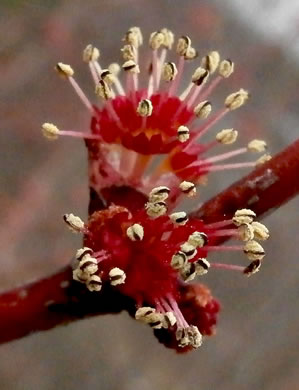
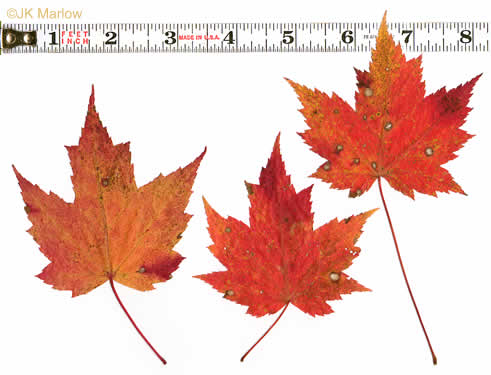
red maple,
water ash,
swamp gum,
and cottonwood
form a subcanopy. As the wet soil becomes more exposed, shrubs become common, including
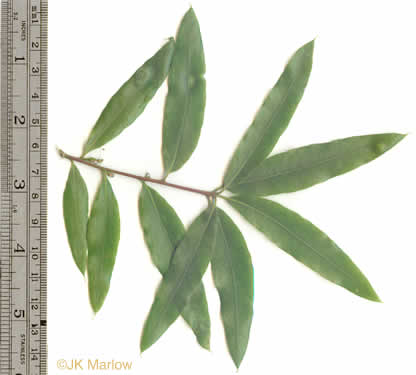
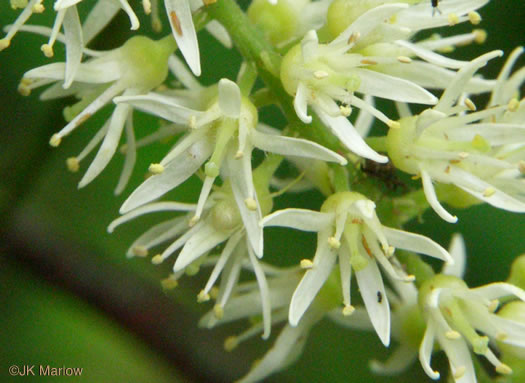
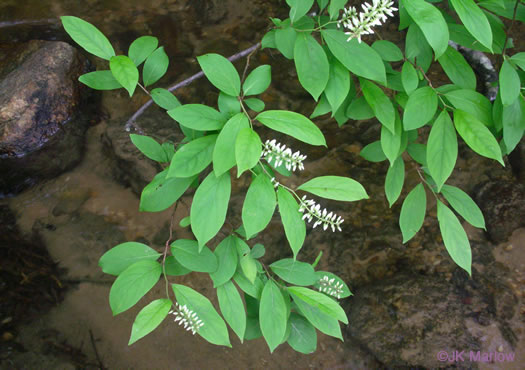
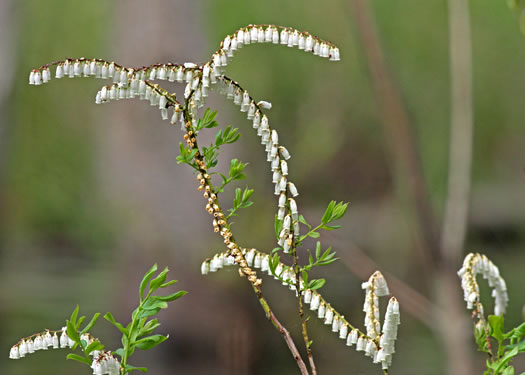
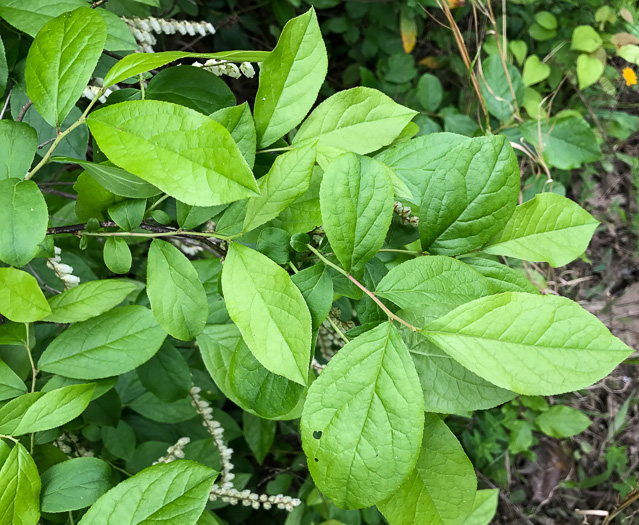
Virginia willow (Itea virginica),
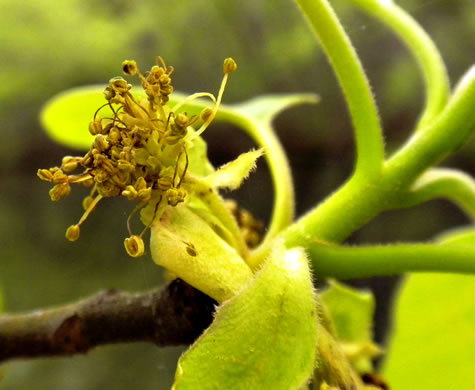
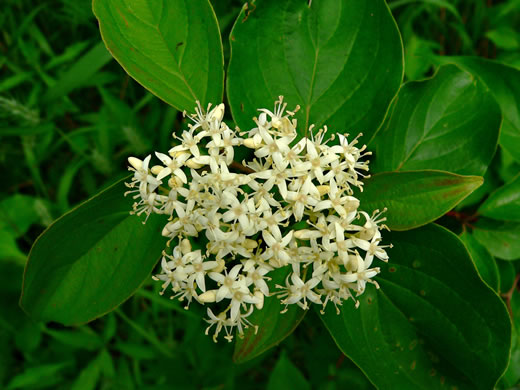
swamp dogwood (Cornus stricta),
and leucothoe (Leucothoe racemosa).
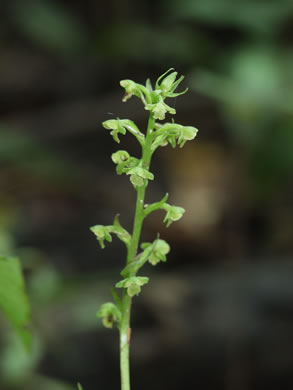
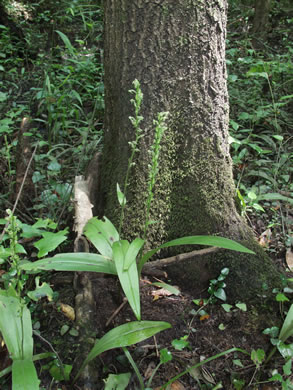
Southern rein-orchid (Habenaria flava) occurs on the edges of muddy sloughs. Where favorable conditions exist,
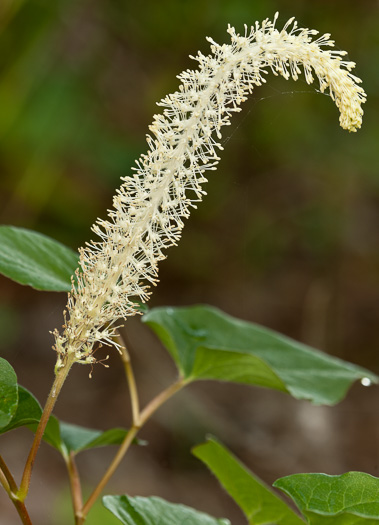
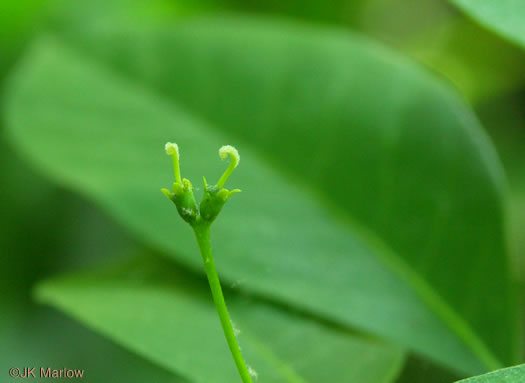
lizard's tail (Saururus cernuus),
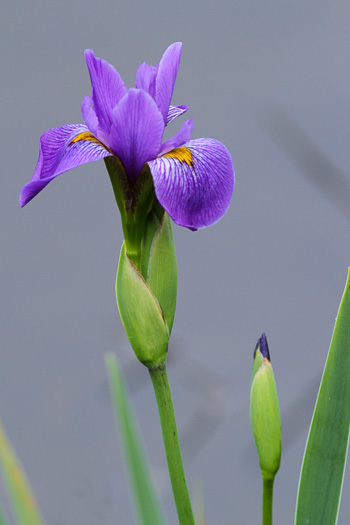
blue flag iris (Iris virginica),
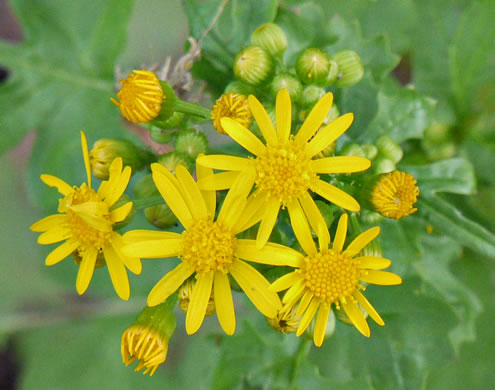
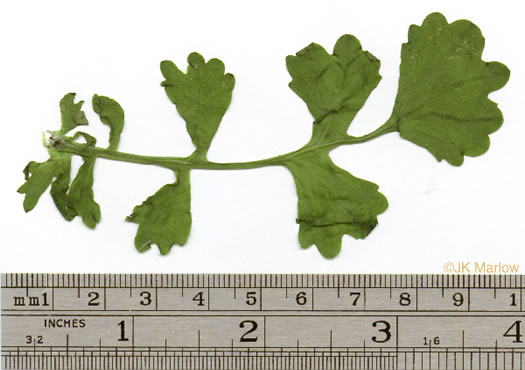
butterweed (Senecio glabellus),
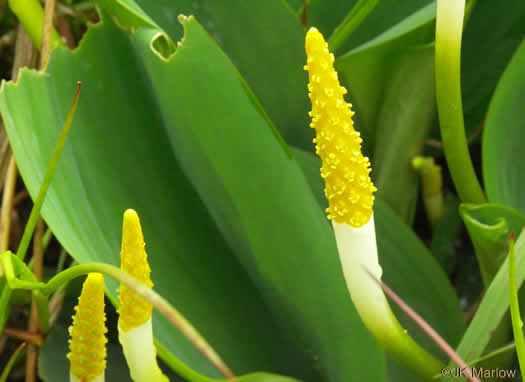
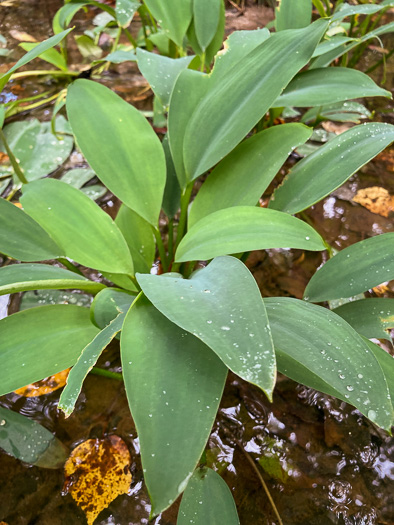
and golden-club (Orontium aquaticum)
flourish, adding color to the swamp.
A great diversity of species occurs from swamp to swamp. Age of the forest, past timbering activities, degree of flooding, soil composition, and freedom from disturbance all contribute to the composition of today's swamps. Only Beidler Forest in Four Holes Swamp, a blackwater system, harbors a significant stand of original growth forest.
Hardwood bottom forests
Hardwood bottom forests occur on floodplains that are somewhat elevated above the adjoining cypress-gum swamp forest community. Although flooded for a considerable period, the surface is dry through much of the year. Hardwood bottoms exhibit extreme floral diversity, and the floral composition is variable from one site to another. The vegetation of the hardwood bottoms is dense, and in the more undisturbed sites, trees grow over 3 feet in diameter. Small trees and shrubs are frequent and woody vines luxuriant. In the drier sites a rich, herbaceous flora flourishes. In areas that have been logged, trees are smaller but still dense. Often hardwood bottom forests are narrow strips with adjacent uplands on one side and the swamp forests on the other. At other times, the forests may be a broad expanse.
Many trees characterize this community including
sweet gum,
loblolly pine (Pinus taeda),
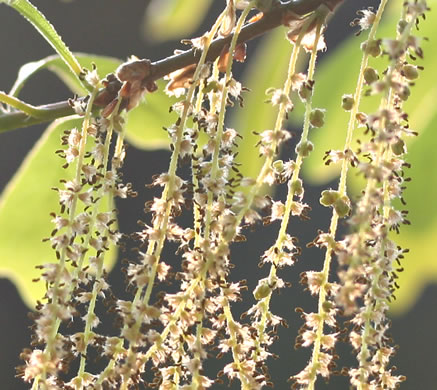
overcup oak (Quercus lyrata),
water oak (Q. nigra),
willow oak (Q. phellos),
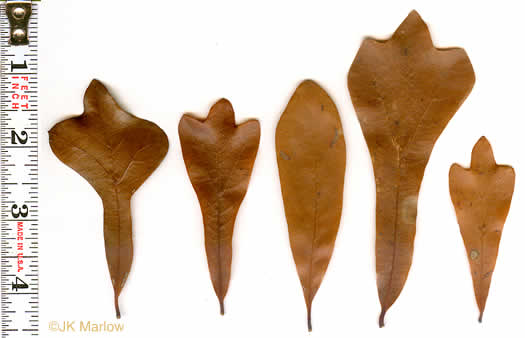
swamp chestnut oak (Q. michauxii),
laurel oak (Q. laurifolia),
cherry-bark oak (Q. pagoda),
ash (Fraxinus spp.),
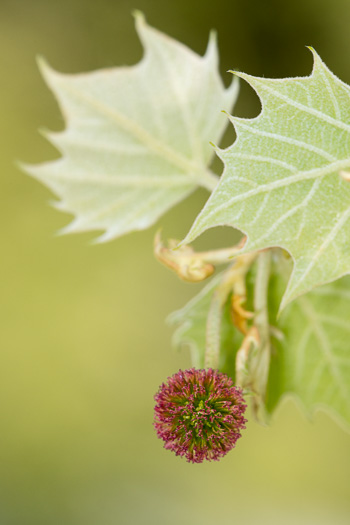
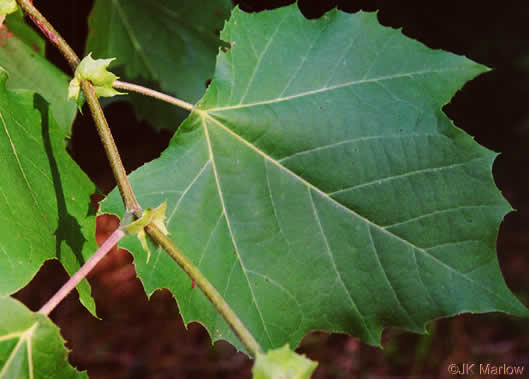
sycamore (Platanus occidentalis),
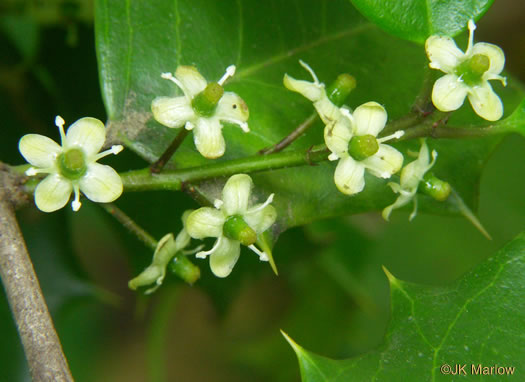
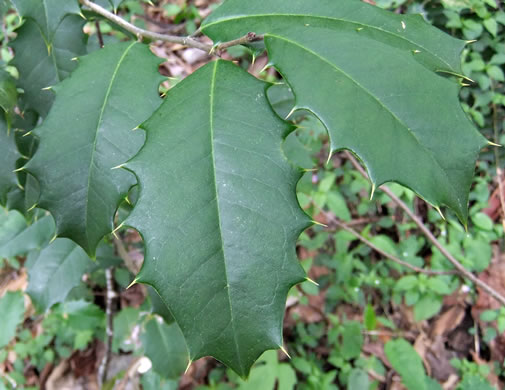
American holly,
American elm (Ulmus americana),
and hackberry (Celtis laevigata), among others.
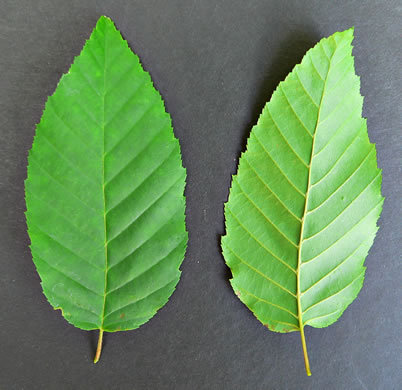
A subcanopy of young canopy species is present, including ironwood (Carpinus caroliniana). Among the numerous shrubs that characterize the community are
swamp dogwood (Cornus stricta),
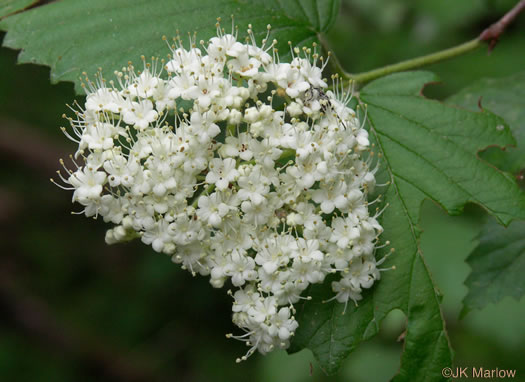
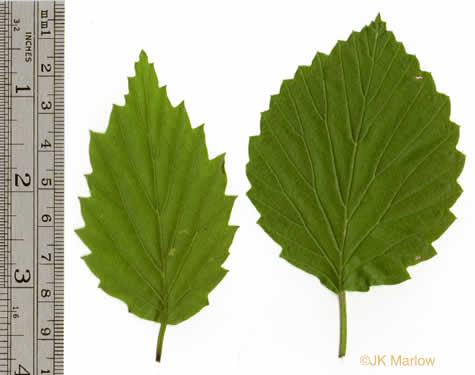
arrowwood (Viburnum dentatum),
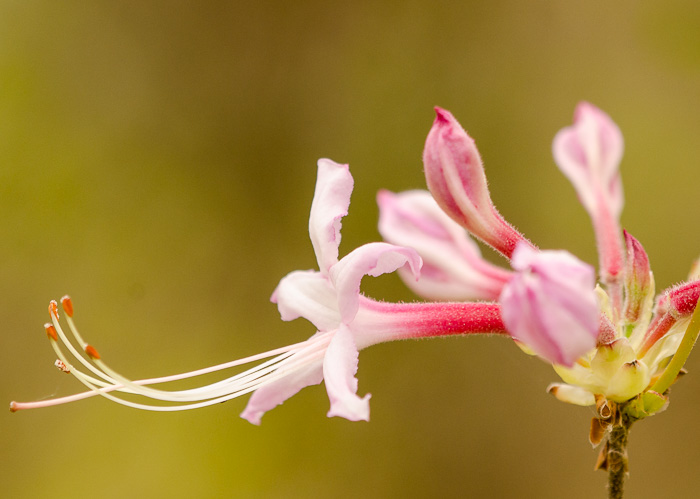
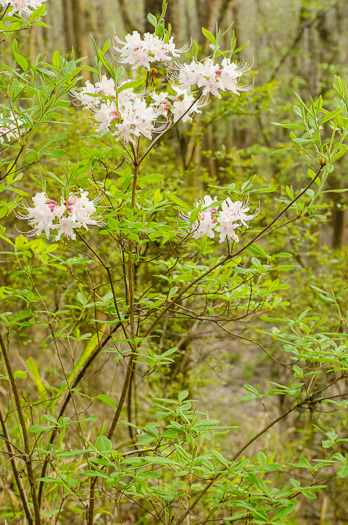
wild azalea (Rhododendron canescens),
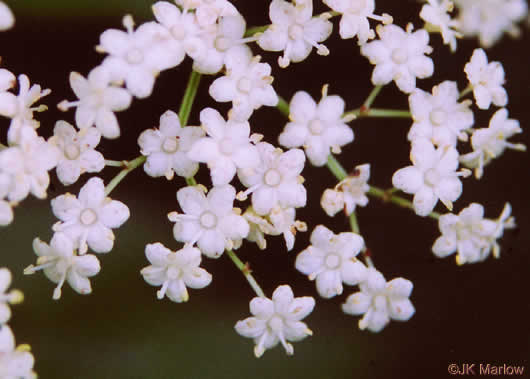
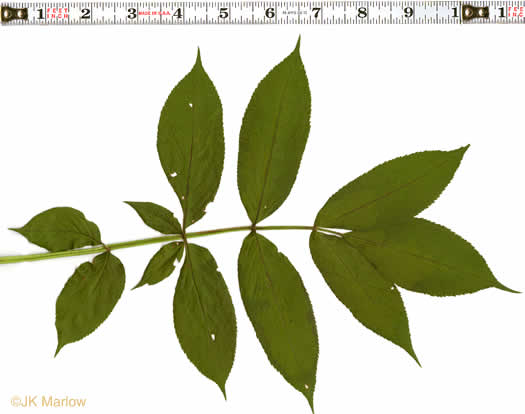
elderberry (Sambucus canadensis),
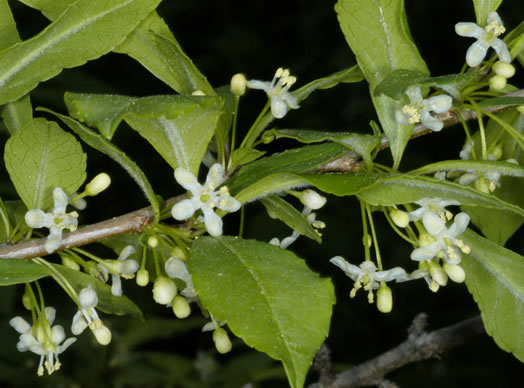
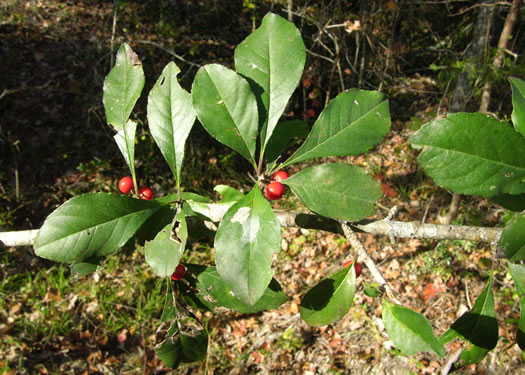
and possum-haw (Ilex decidua).
These species also may occur in the adjacent swamp forests.
Woody vines are especially prominent and include
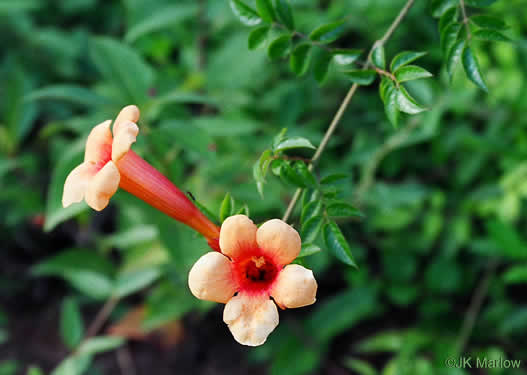
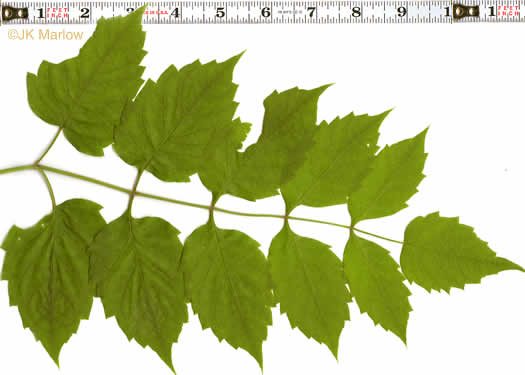
cow-itch (Campsis radicans),
poison ivy,
supplejack (Berchemia scandens),
climbing hydrangea (Decumaria barbara),
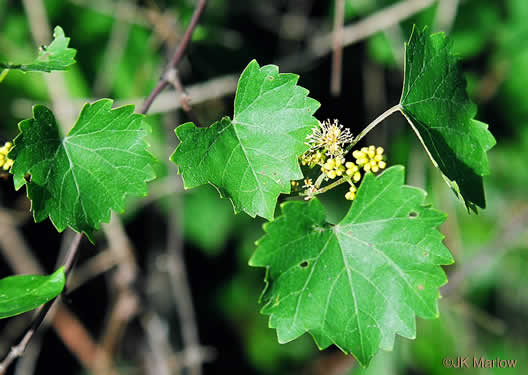
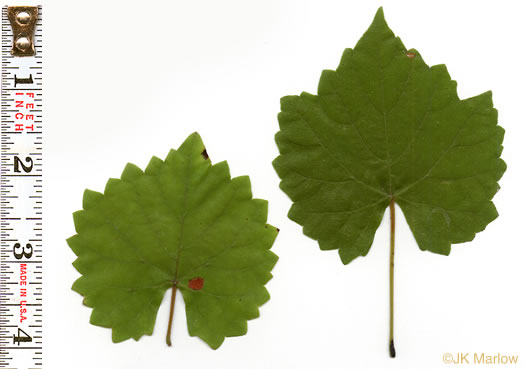
and muscadine (Vitis rotundifolia).
Grasses, rushes, sedges, and wildflowers form a rich herbaceous layer in drier sites. Grasses and sedges often form a dense ground layer and separate the hardwood bottoms from the adjacent swamp forests. Many wildflowers from the swamp forests also grace the hardwood bottoms, but several additional species occur, including
Easter lily (Zephyranthes atamasco),
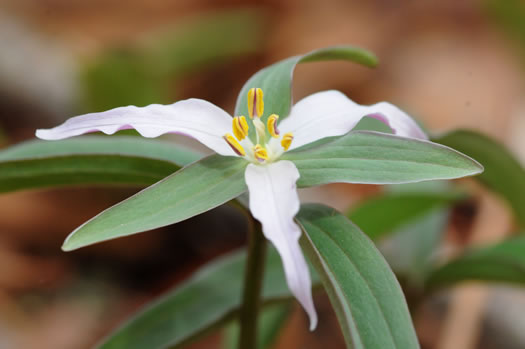
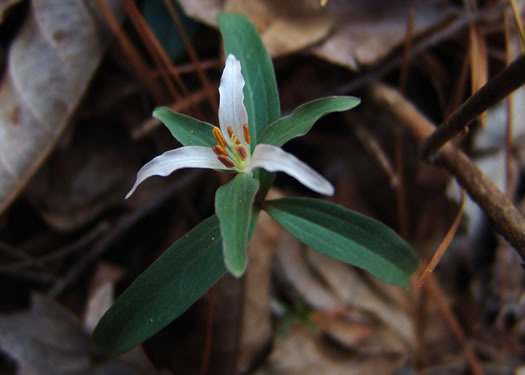
Carolina least trillium (Trillium pusillum var. pusillum),
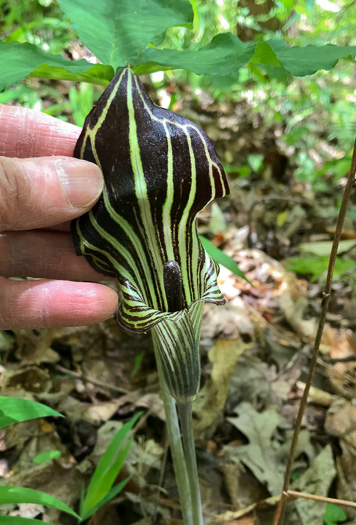
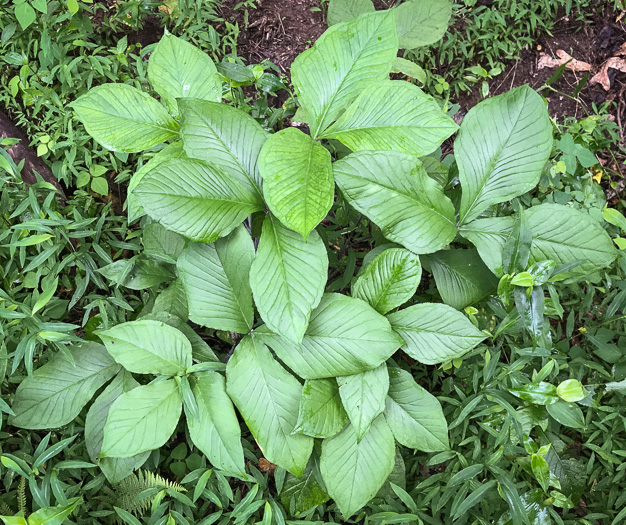
jack-in-the-pulpit (Arisaema triphyllum),
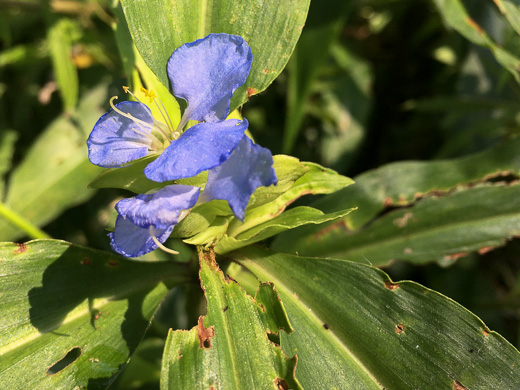
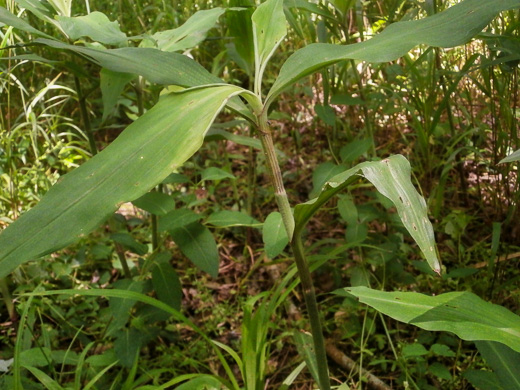
and Virginia dayflower (Commelina virginica).
An interesting microhabitat in the hardwood bottoms is the “wind-throw” community. The bottomland trees have shallow but broad root systems. When these trees are blown down, the uplifted soil clings to the roots, which is now in a sunlit area because the fallen tree created a gap in the canopy. This allows for the establishment of numerous weedy herbs.
Levee forests
Natural levees or “fronts” occur along the river edge. Levees are created as vegetation along the river's edge slows floodwaters and allows for the deposit of silt. These levees are slightly higher than the adjacent floodplain, which harbors the hardwood bottom and cypress-gum communities. The soil is very fertile, especially along alluvial rivers. Blackwater rivers have less-developed levees due to lower amounts of alluvium
The levees are occupied by pioneer species, with
sycamore,
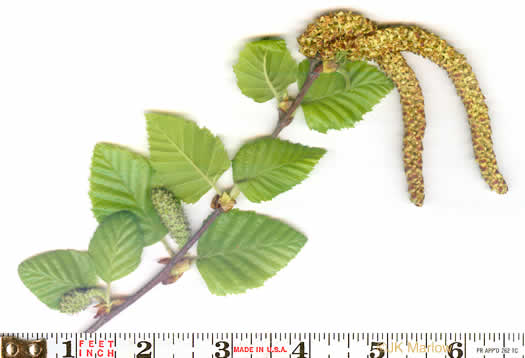
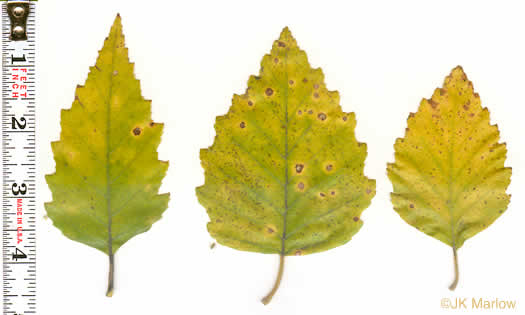
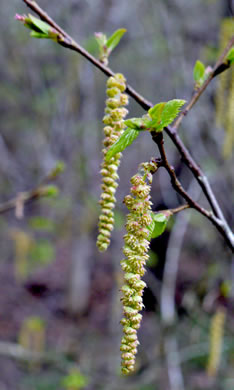
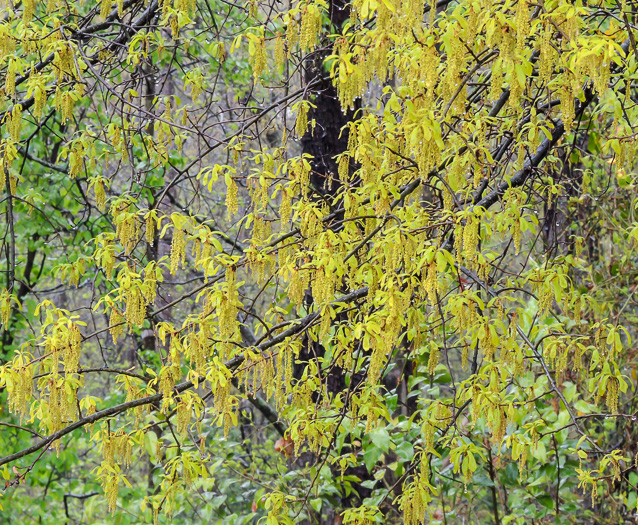
river birch (Betula nigra),
laurel oak (Quercus laurifolia),
and willow (Salix spp.)
being the major trees. Other trees include
ash (Fraxinus spp.),
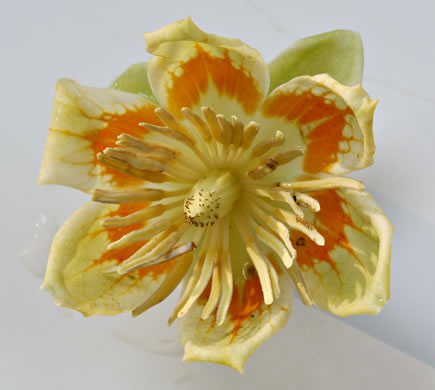
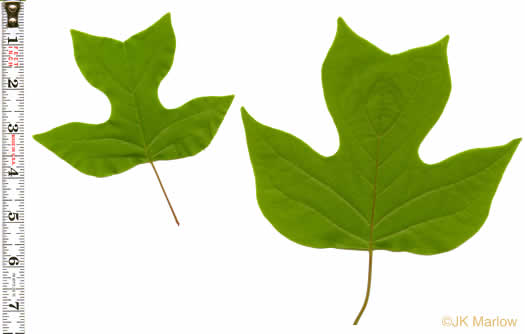
tulip tree (Liriodendron tulipifera),
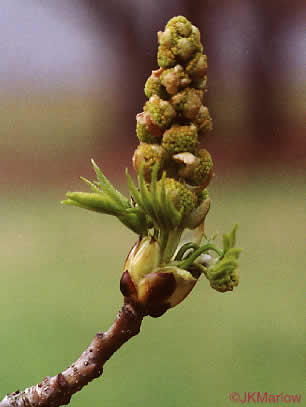
silver maple (Acer saccharinum),
American holly
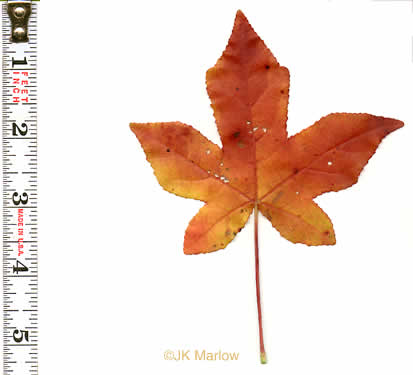
and sweet gum.
Three common shrubs are
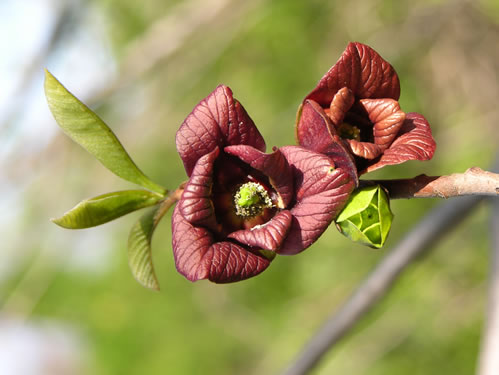
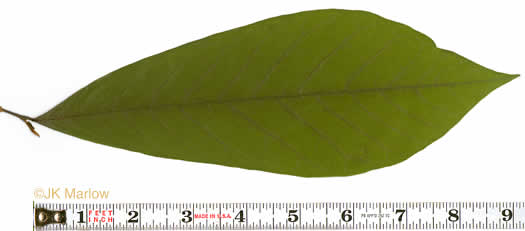
pawpaw (Asimina triloba),
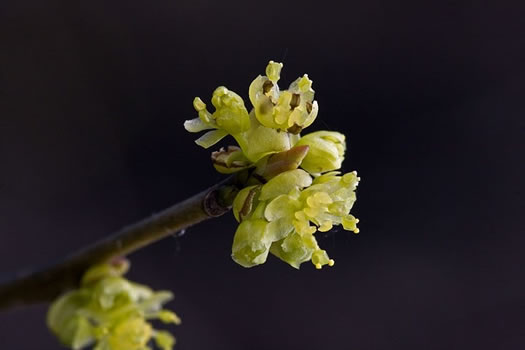
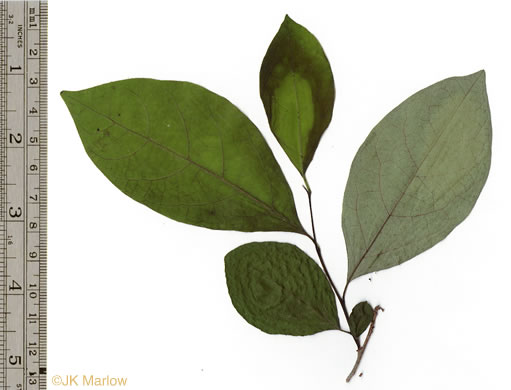
wild allspice (Lindera benzoin),
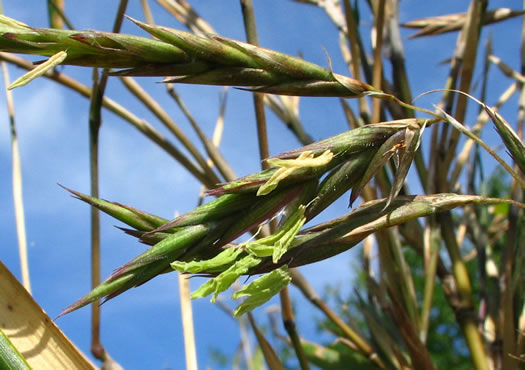
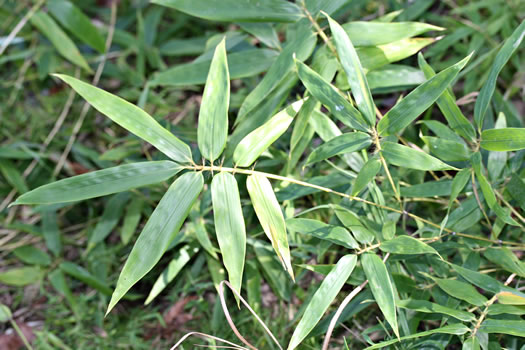
and switch-cane (Arundinaria gigantea).
“Cane bottoms” or “cane brakes” in South Carolina, both in the piedmont and coastal plain, are associated with large levees. In the coastal plain, these extensive areas of cane are now gone. Isolated patches are still found in the piedmont.
Herbs vary from site to site but generally include
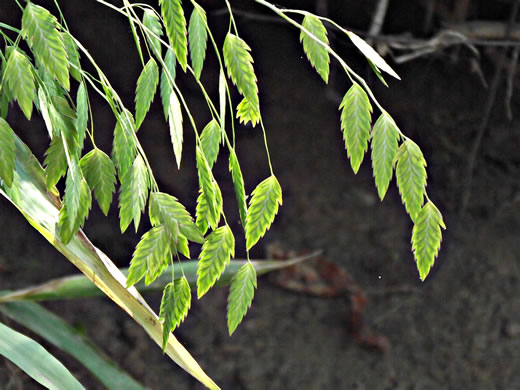
river oats (Chasmanthium latifolium),
butterweed,
and false nettle.
South Carolina's Natural Wildflower Communities is adapted from A Guide to the Wildflowers of South Carolina by Richard D. Porcher and Douglas A. Rayner. Used by permission.
To see pictures or additional information about a particular plant, click its name or its picture.