South Carolina's Natural Wildflower Communities —
THE COASTAL PLAIN:
The pond cypress communities
Pond cypress savannas
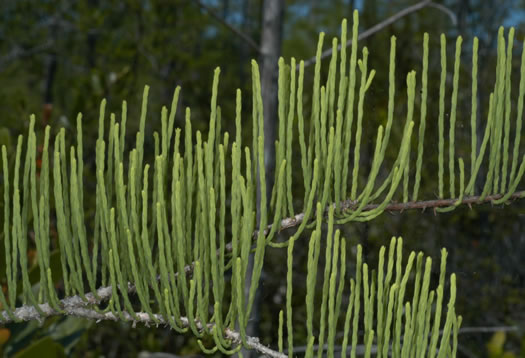
Pond cypress savannas occupy flat, acidic, poorly drained lands within the longleaf pine forests. They have a slightly longer hydroperiod than that associated with pine flatwoods and pine savannas and are dominated by pond cypress, which can tolerate a longer hydroperiod than pines. The cypress canopy is open. Red maple and swamp gum may also be present. Pond cypress savannas occur scattered throughout the coastal plain with many of the best examples occurring within Carolina bays. Draining and ditching, along with absence of fire, have reduced the number of pond cypress savannas. Numerous excellent sites still occur in the Francis Marion National Forest.
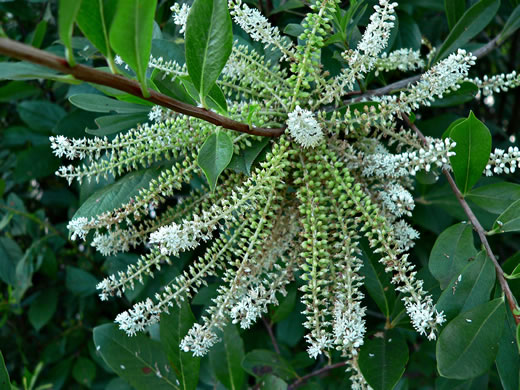
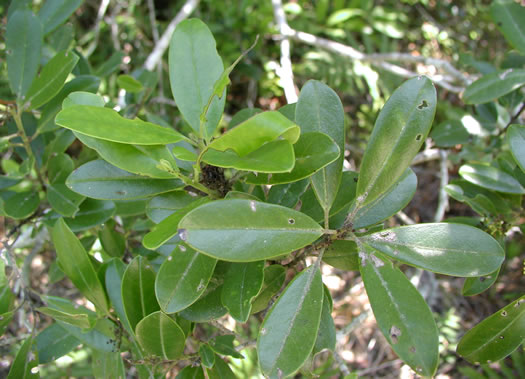
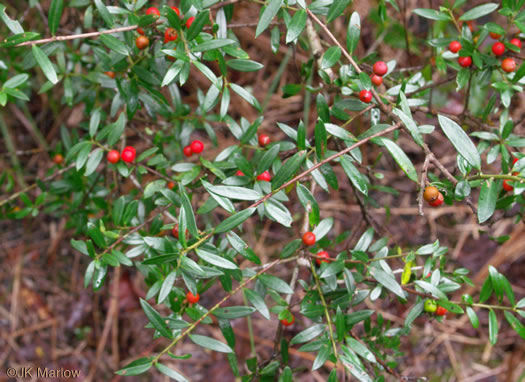
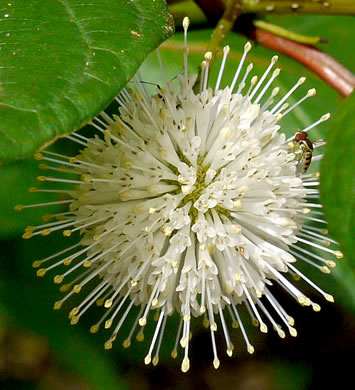
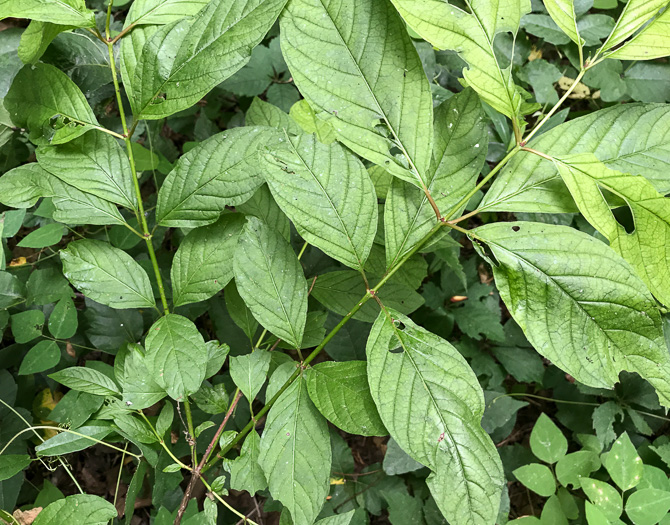
Few shrubs occur except for some woody hypericums (Hypericum fasciculatum), myrtle-leaved holly (Ilex myrtifolia), and buttonbush.
The herbaceous flora, blooming through the spring, summer, and fall, is rich. Some of the showy herbaceous species of the adjacent pine savannas, including many of the carnivorous plants, can be found. Certain herbs, however, appear to be more common or confined to the pond cypress savannas. These include
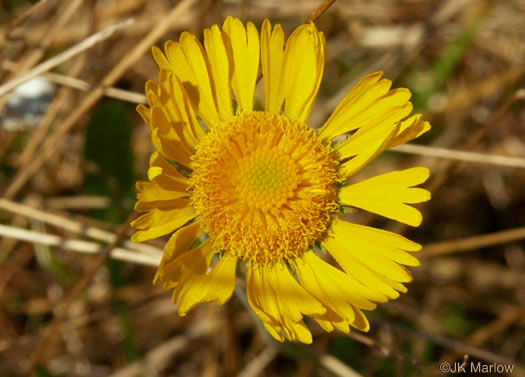
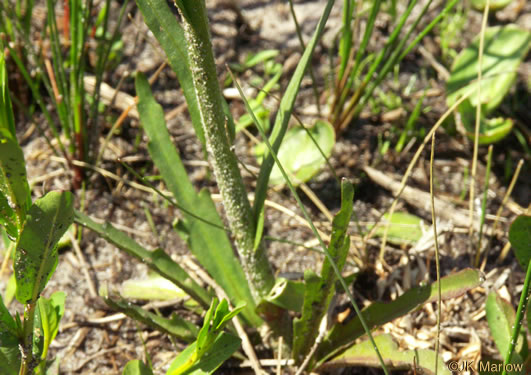
sneezeweed (Helenium pinnatifidum),
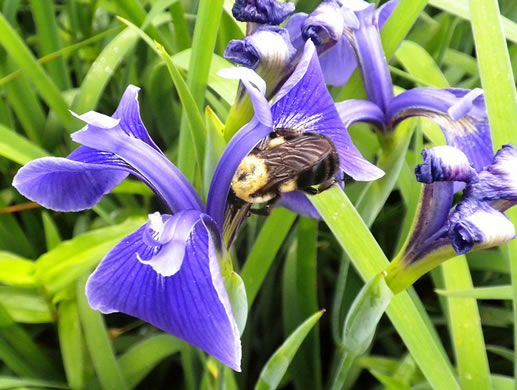
bay blue-flag iris (Iris tridentata),
tall milkwort (Polygala cymosa),
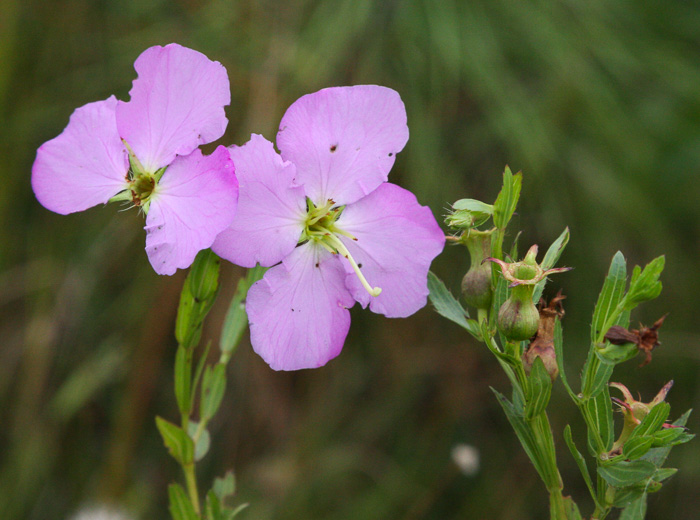
awned meadow-beauty (Rhexia aristosa),
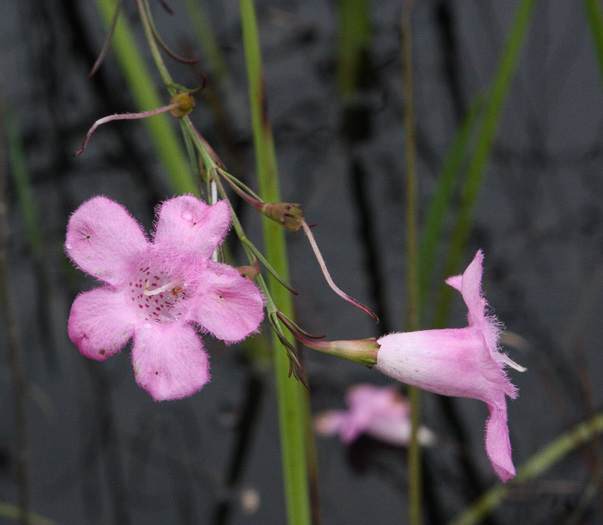
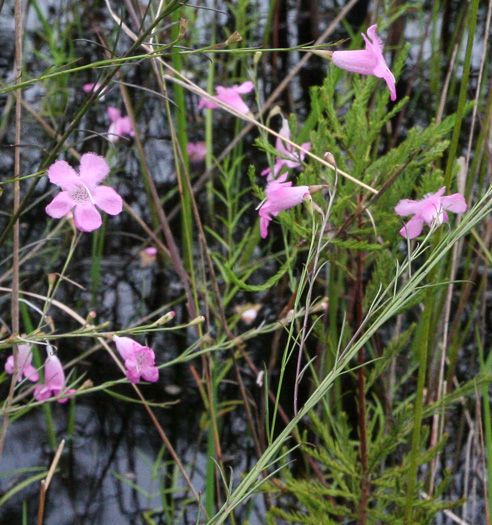
gerardia (Agalinis linifolia),
Boykin’s lobelia (Lobelia boykinii),
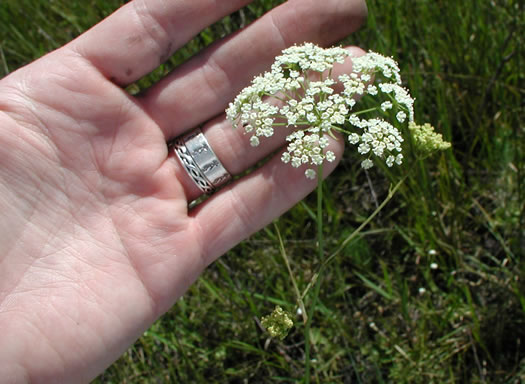
and the federally endangered Canby’s dropwort (Oxypolis canbyi).
Other wildflowers of note in the pond cypress savannas include
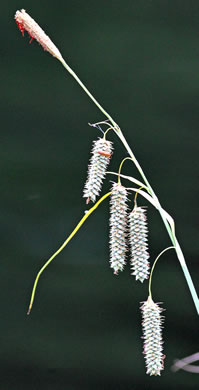
blue sedge (Carex glaucescens),
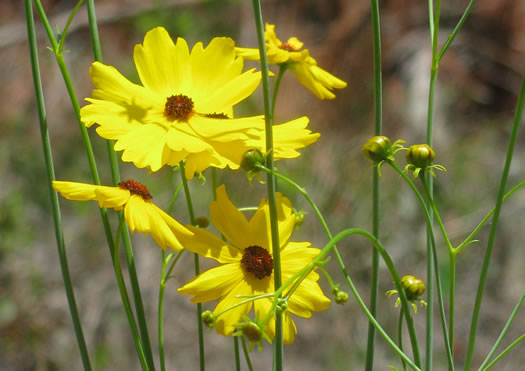
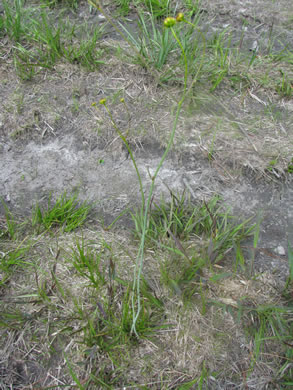
pool coreopsis (Coreopsis falcata),
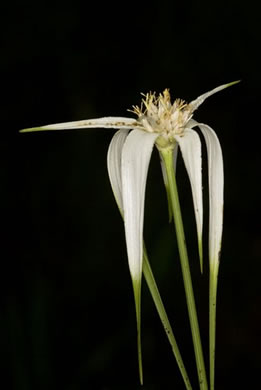
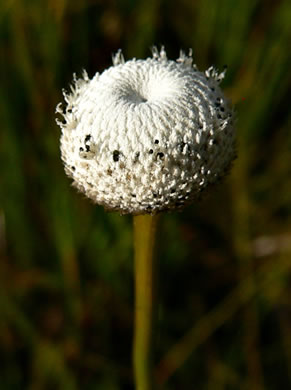
giant white-topped sedge (Dichromena latifolia),
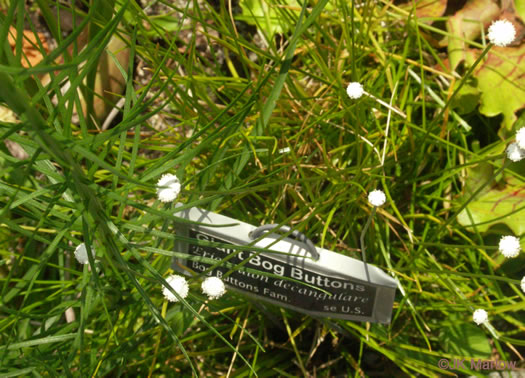
pipewort (Eriocaulon decangulare),
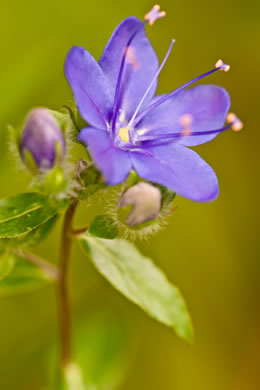
tall hydrolea (Hydrolea corymbosa),
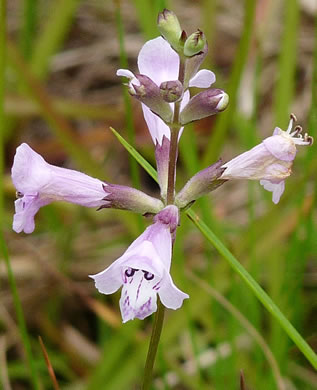
savanna obedient plant (Physostegia purpurea),
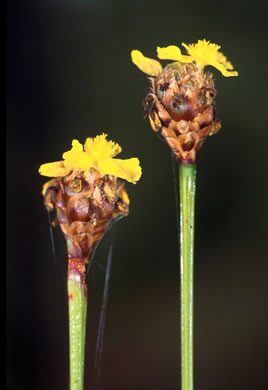
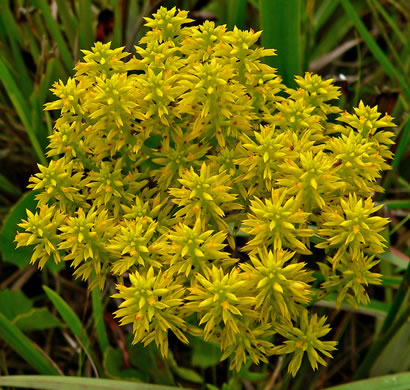
giant yellow-eyed grass (Xyris fimbriata),
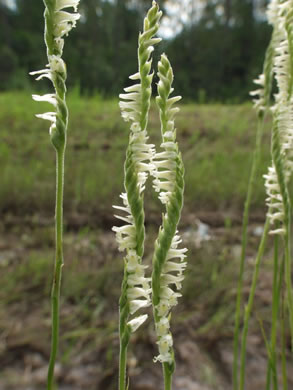
lace-lip ladies'-tresses (Spiranthes laciniata),
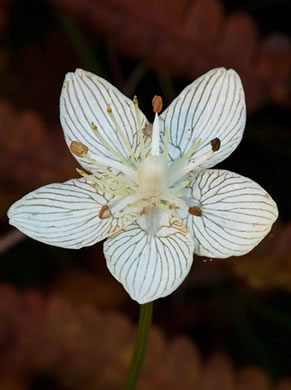
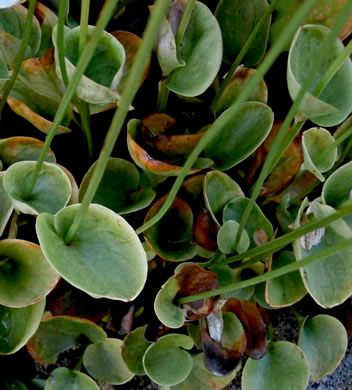
and Carolina grass-of-Parnassus (Parnassia caroliniana).
Pond cypress-swamp gum upland swamps
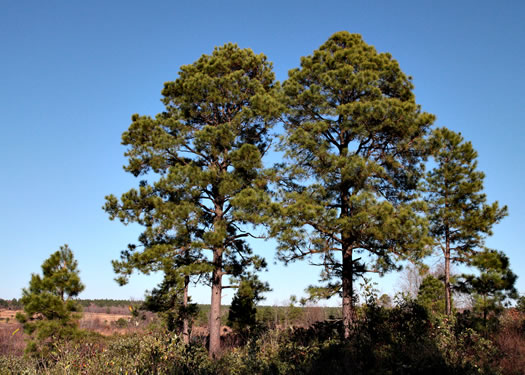
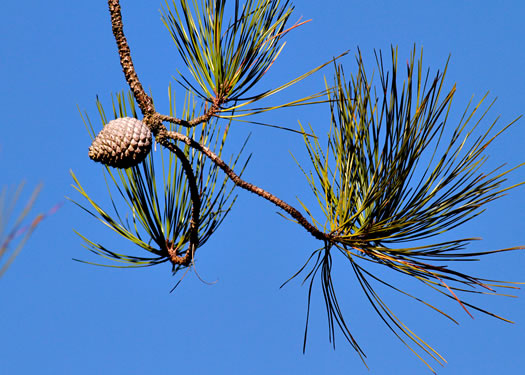
Pond cypress-swamp gum upland swamp forests are dominated by pond cypress or pond cypress and swamp gum, with pond pine (Pinus serotina) often present as an associate. These swamps occur in upland depressions where some water is on the surface for at least three months. The water is acidic because there is no drainage to remove accumulated acids. The depressions may be limestone sinks, irregular depressions, or Carolina bays. Generally the interior is open water, with shrubs confined more to the margin.
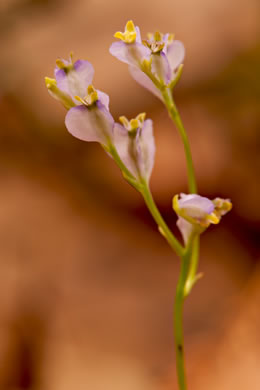
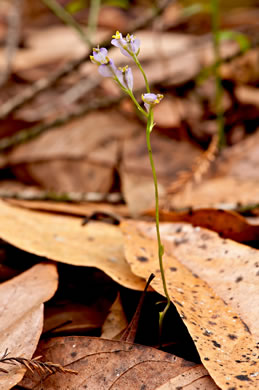
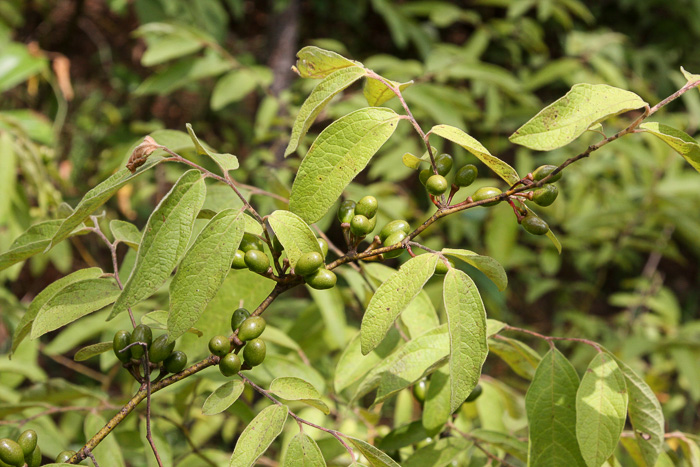
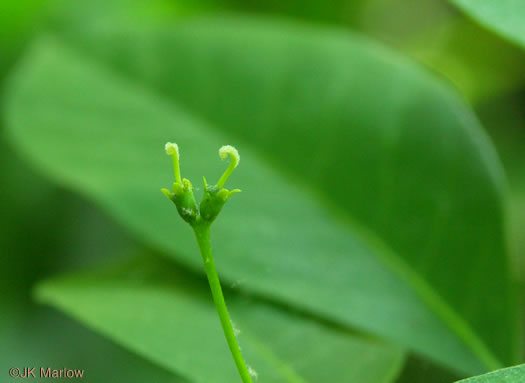
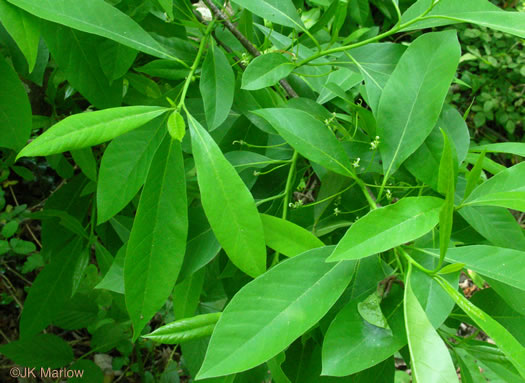
The herbaceous flora of this swamp is sparse compared to the riverine and other upland swamps. One rare herb is violet burmannia (Burmannia biflora), which occurs in the drawdown zone. Numerous shrubs occur along the margins of the depressions. In the FMNF, several populations of pondberry (Lindera melissifolia), a federally endangered species, occur in sink holes in the Honey Hill and Cainhoy areas. Another member of the laurel family, pondspice (Litsea aestivalis), which is rare throughout its range, is common in many of these swamp forests in the FMNF and elsewhere in the coastal plain. Other shrubs in this upland swamp forest include
titi,
button-bush,
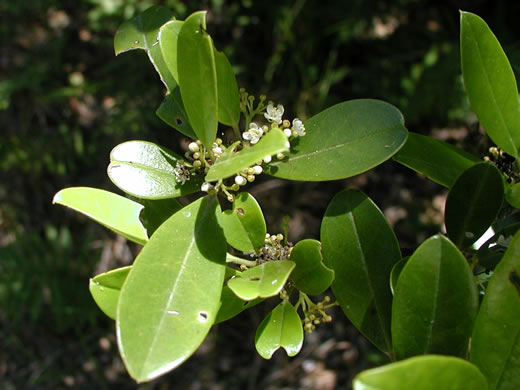
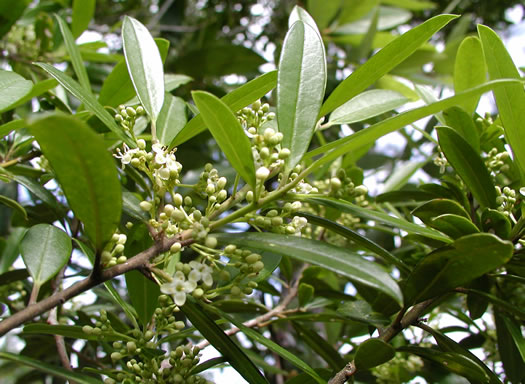
cassena (Ilex cassine),
and myrtle-leaved holly (Ilex myrtifolia).
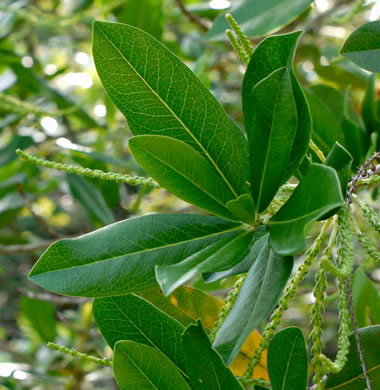
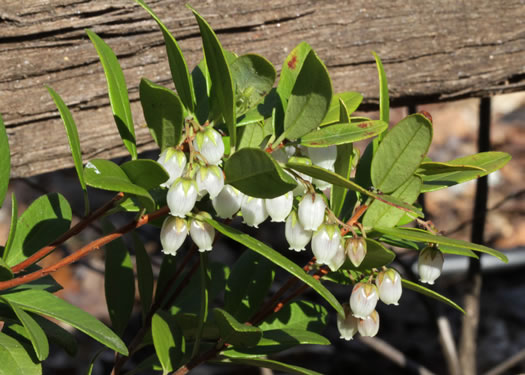
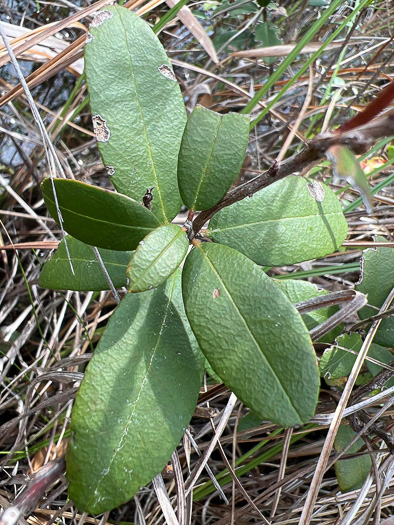
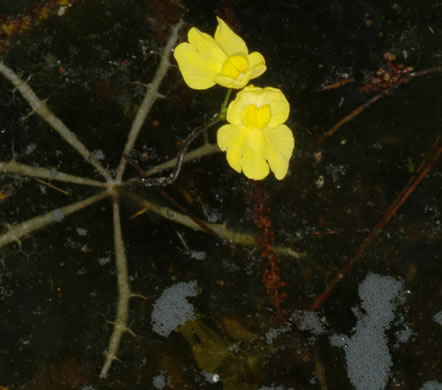
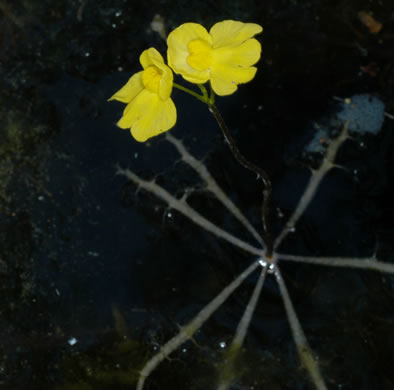
The rare climbing fetterbush (Pieris phillyreifolia) is known in South Carolina only from these pond cypress-swamp gum swamps in the FMNF. The open water is also habitat for the freshwater aquatics. Floating bladderwort is especially common.
South Carolina's Natural Wildflower Communities is adapted from A Guide to the Wildflowers of South Carolina by Richard D. Porcher and Douglas A. Rayner. Used by permission.
To see pictures or additional information about a particular plant, click its name or its picture.