South Carolina's Natural Wildflower Communities —
THE PIEDMONT:
The granitic flatrocks community
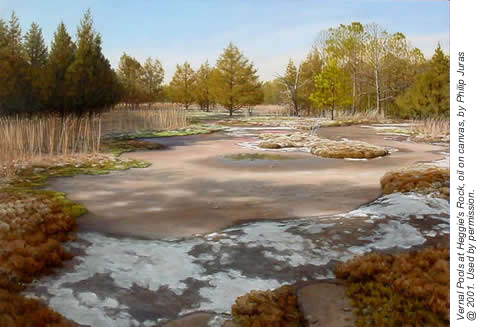
Granitic flatrocks
Granitic flatrocks may be the most spectacular ecosystem in the piedmont. They are restricted to the piedmont and are best developed in Georgia and South Carolina. They consist of small to expansive exposures of granite or gneissic rocks that have a smooth (exfoliating) surface. Flatrock outcrops are level or slope gently and are distinguished from granitic domes and cliffs by the small elevation change from the top to the base of the outcrop.
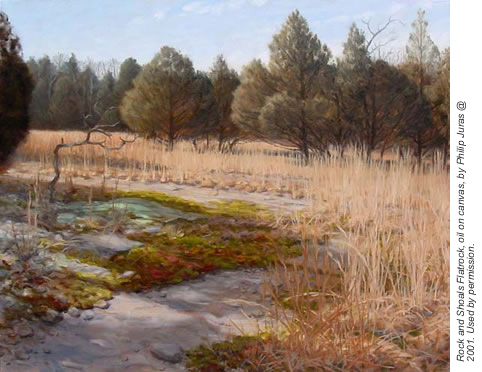
Granitic flatrocks harbor a mosaic of nonforested plant communities, each occupying a habitat with a well-defined soil depth and a duration of soil moisture. Habitats include exposed rock surfaces, natural depressions with soil, rock crevices, and outcrop margins. Exposed rock surfaces do not provide habitat for any species of vascular plants, but they do consist of a distinctive assemblage of mosses and lichens, including the distinctive fruticose lichen Cladonia caroliniana (Carolina reindeer lichen).
Natural depressions are the most distinctive outcrop habitats and harbor many of the most unusual flatrock species. These depressions are most abundant at or near the crest of the flatrock and are sometimes called “solution” pools because they were formed as water dissolved the rock. Natural depressions may have intact rims or an eroded downslope rim, but regardless of the rim condition, the soil depth and the length of time that standing water remains in the depression determine the plant species.
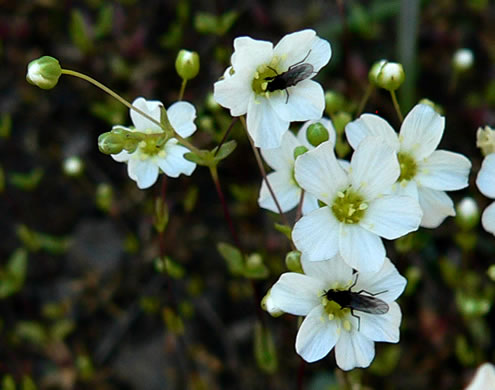
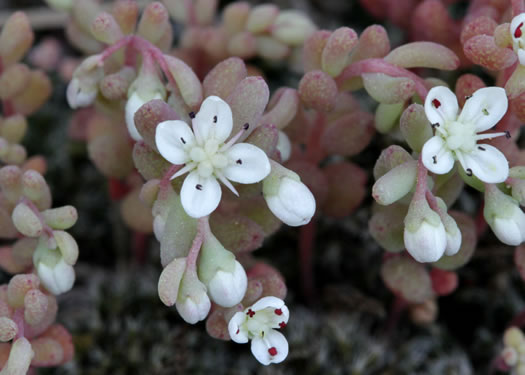
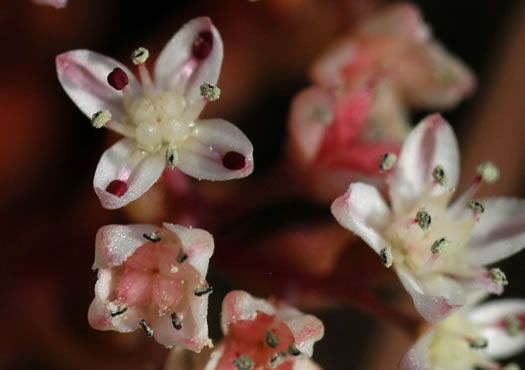
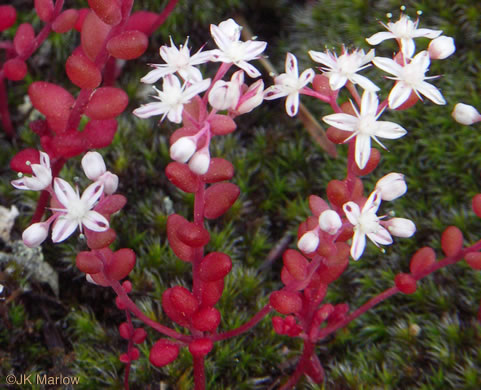
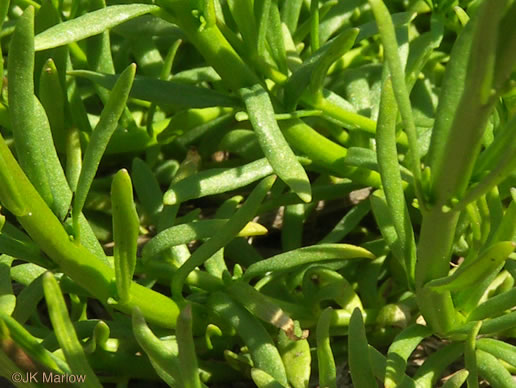
In South Carolina, depressions with one or more eroded rims usually have shallow soil and are typically occupied by elf orpine (Diamorpha smallii), piedmont sandwort (Minuartia uniflora), and various species of Cladonia (reindeer lichen). Large mats of the elf orpine, with its succulent red leaves and its bright white flowers, make this a striking outcrop habitat.
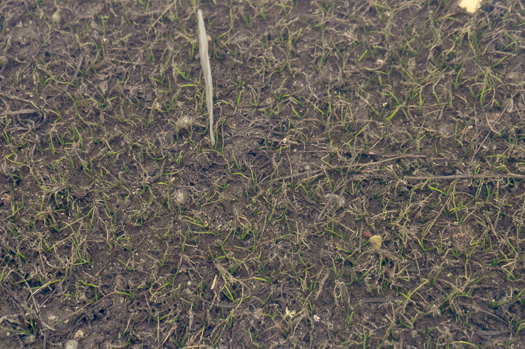
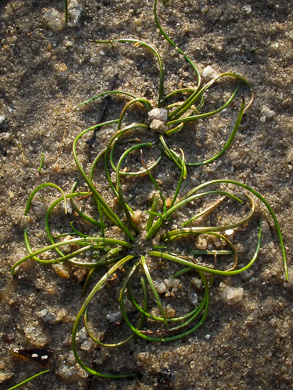
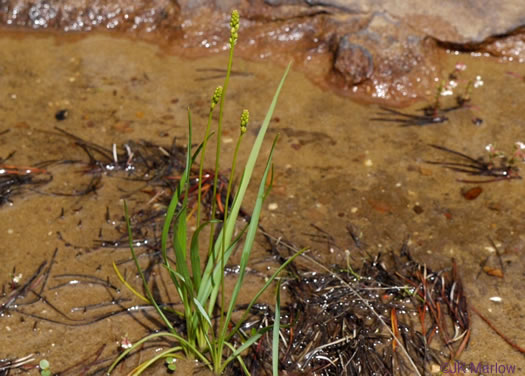
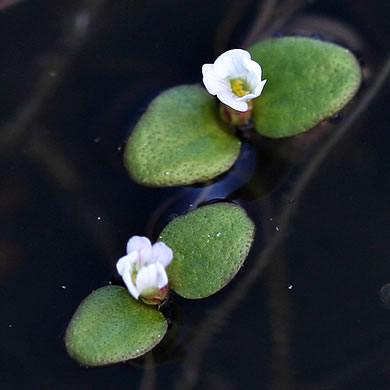
Natural depressions with intact rims, shallow soils, and water one to three inches deep for weeks at a time in the early spring are sometime called vernal pools. This is the habitat for several rare aquatic plants that are endemic to flatrock outcrops, including pool sprite (Amphianthus pusillus) and several species of quillwort (Isoetes melanospora, Isoetes piedmontana, and their hybrids).
The annual-perennial herb community is the most diverse of the natural depression communities. A zone of haircap moss (Polytrichum spp.) usually delineates this community from the annual-dominated shallow soil community. Visually dominant species in the spring include
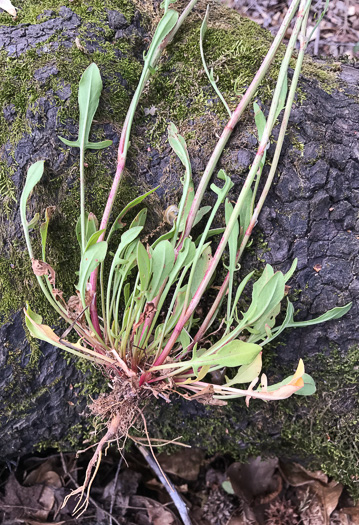
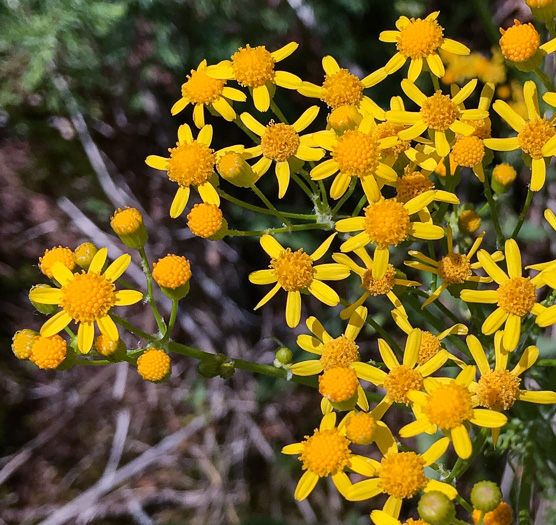
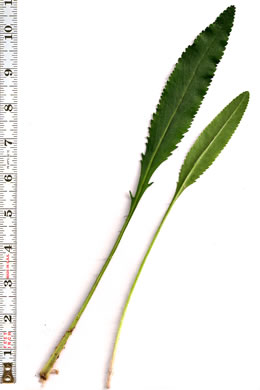
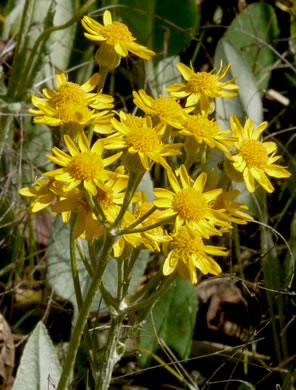
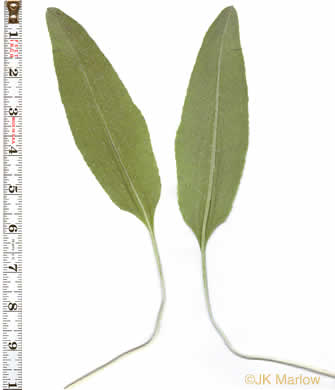
woolly ragwort (Senecio tomentosus),
Small’s ragwort (Senecio smallii),
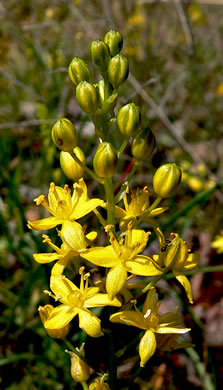
and (rarely in South Carolina) sunnybell (Schoenolirion croceum).
This is also a community where a variety of weedy species occur, like
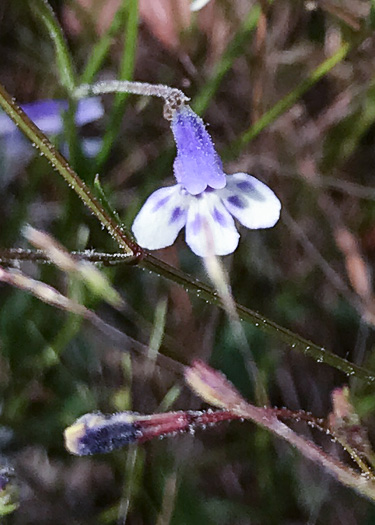
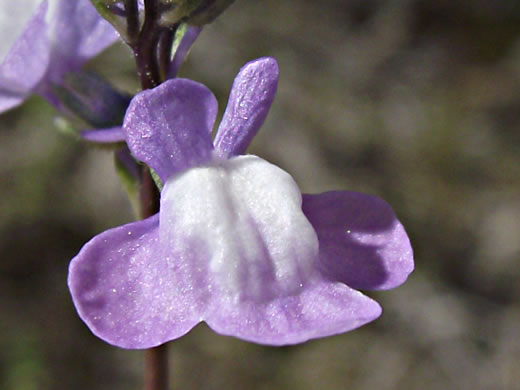
common toadflax (Nuttallanthus canadensis),
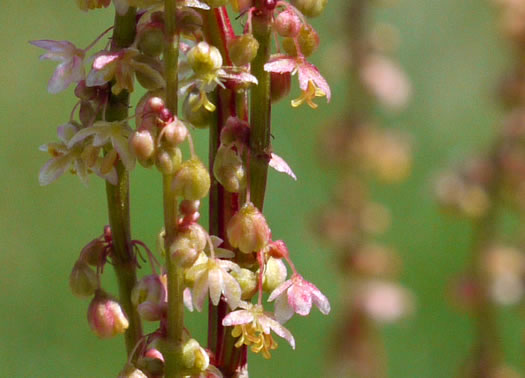
sourgrass (Rumex hastatulus),
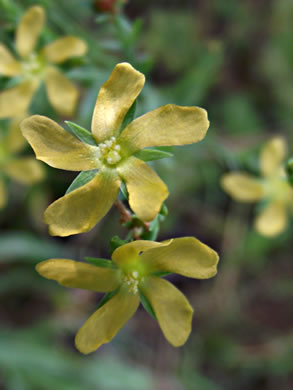
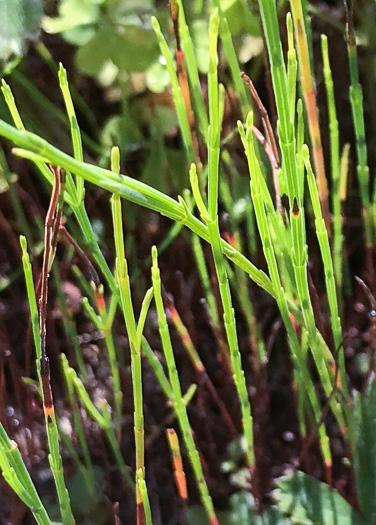
pineweed (Hypericum gentianoides),
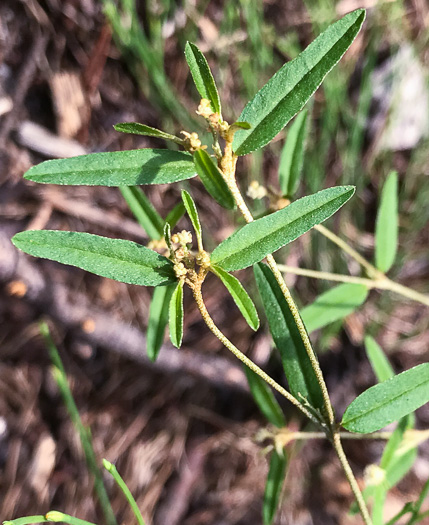
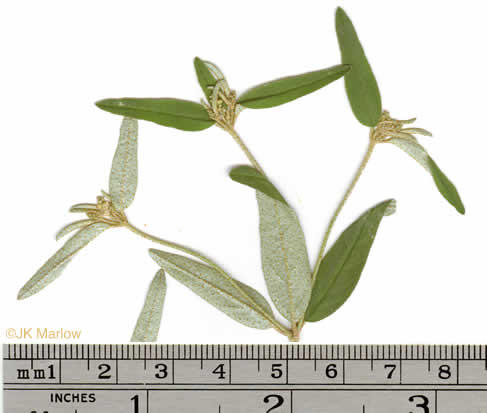
and outcrop rushfoil (Crotonopsis elliptica).
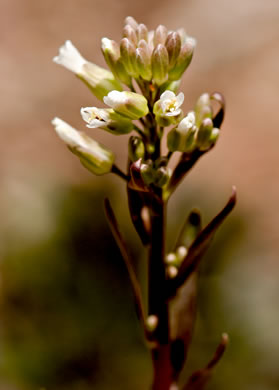
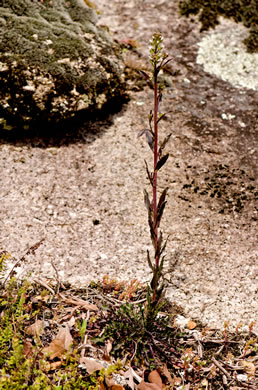
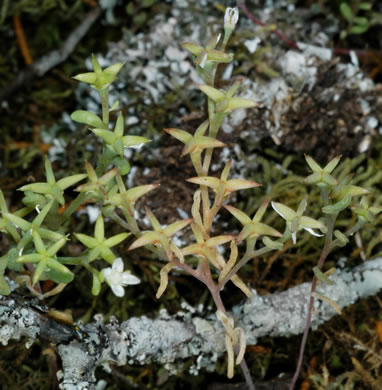
The margins of flatrock outcrops provide habitat for a number of endemic or near endemic flatrock species. Shallow soils that lay beneath red cedar provide habitat for Puck’s orpine (Sedum pusillum). It is only found under red cedar, presumably, because of the high calcium content of fallen cedar leaves. A rare rockcress (Arabis missouriensis) is found in the deeper soils of some flatrock margins; and the diminutive rock-loving draba (Draba aprica) is sometime found on open, gravelly flatrock margins.
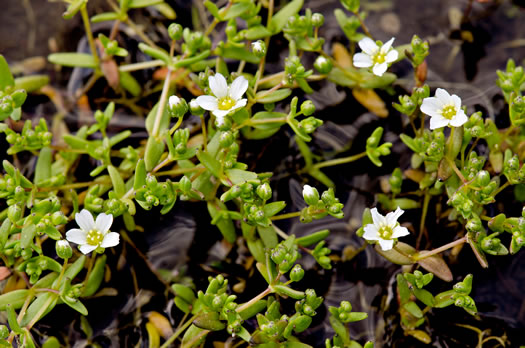
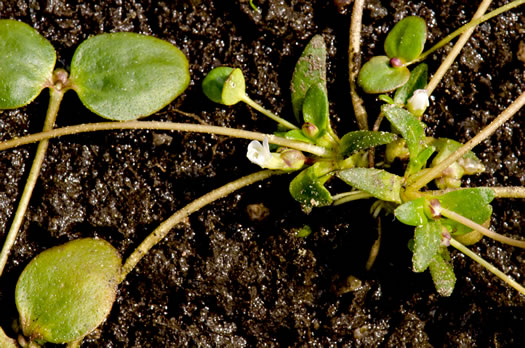
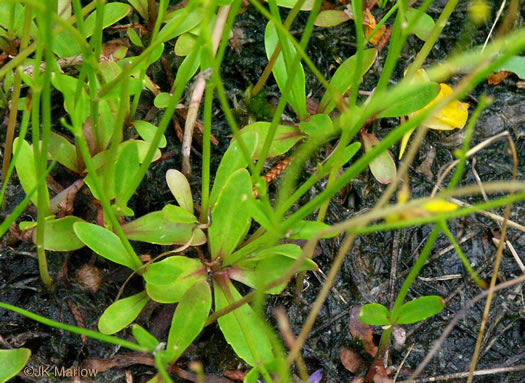
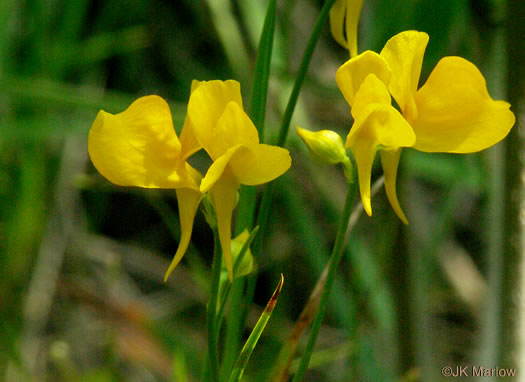
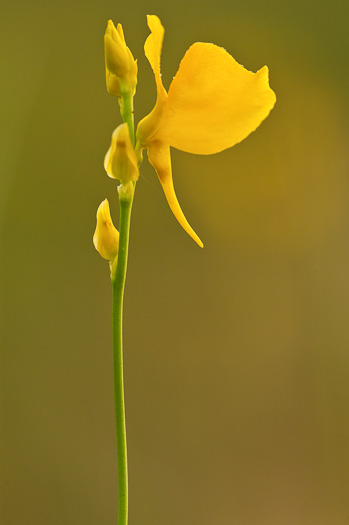
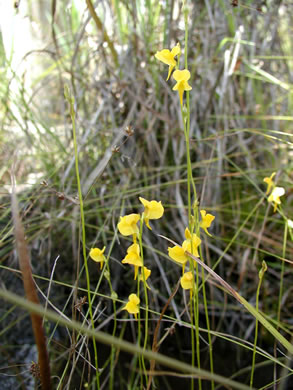
Seepages at outcrop margins may contain wetland species such as quillwort (Isoetes piedmontana) flatrock pimpernel (Lindernia monticola), and bladderworts (Utricularia juncea or U. cornuta).
South Carolina's Natural Wildflower Communities is adapted from A Guide to the Wildflowers of South Carolina by Richard D. Porcher and Douglas A. Rayner. Used by permission.
To see pictures or additional information about a particular plant, click its name or its picture.