South Carolina's Natural Wildflower Communities —
THE COASTAL PLAIN:
The peatland community
Peatlands are wetlands where the soils are peat. Peat is the partially decomposed remains of dead plants and, to a lesser extent, animals. Peatlands develop where there is a net gain in organic matter over time; therefore, decomposition cannot exceed production if peatlands are to form. Water slows decomposition in the coastal plain. In water, dead plants and animals decompose at a much slower rate than when they are exposed to both air and moisture. Most bacteria and fungi that decompose organic matter need oxygen for respiration. In saturated conditions, no atmospheric oxygen is available. The accumulation of peat is also helped if the water moves slowly since slow-moving water does not carry away organic matter. Acids that build up as by-products of respiration further inhibit decomposition in bogs because bacteria and fungi do not work as effectively under acidic conditions. Bog waters develop a dark color from the acids that are not washed away by moving water.
Pocosins
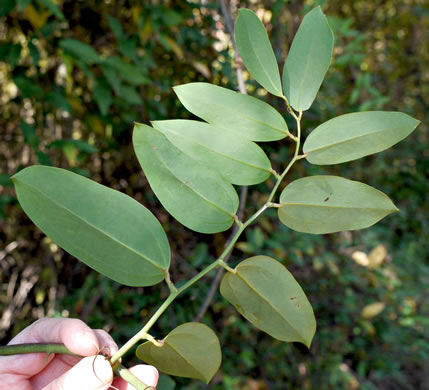
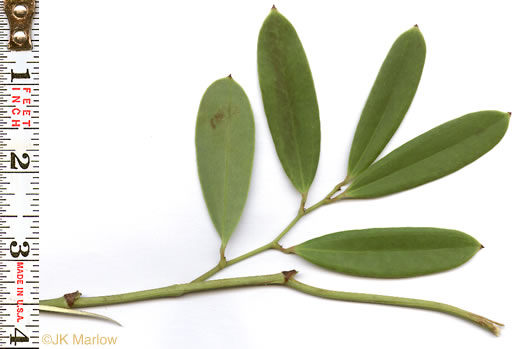
The dominant peatland community in the coastal plain are the pocosins (or evergreen shrub bogs). Pocosins are found on the southeastern coastal plains of the United States and are botanical treasures. Pocosins grow on waterlogged, acid, nutrient-poor, sandy or peaty soils that are located on broad, flat topographic plateaus or in Carolina bays. They are usually removed from large streams and are subject to periodic burning. Natural drainage is poor. Pocosins are dominated by a dense mix of evergreen shrubs, vines, and scattered trees. In some pocosins, the vegetation is so thick and laced with bamboo-vine (Smilax laurifolia) that traversing in this community is difficult. One has to go down “on all fours” to get below the dense tangle of vegetation. Each step in the soft peat is uncertain. The reward is a pocosin community full of wildflowers.
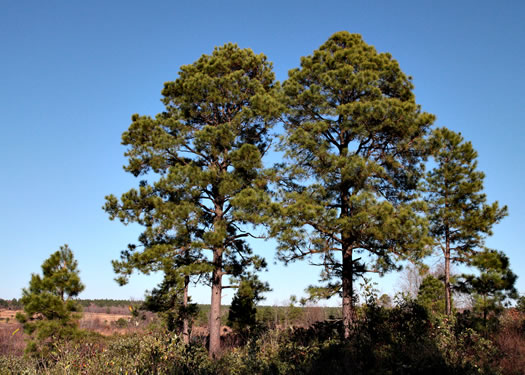
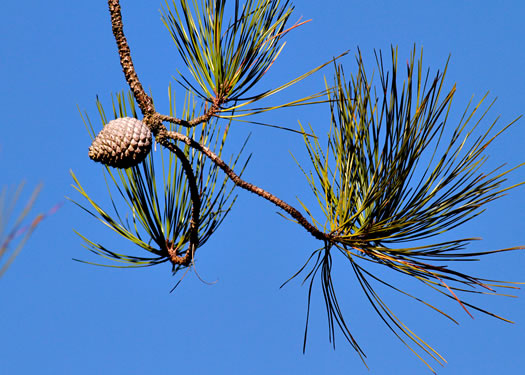
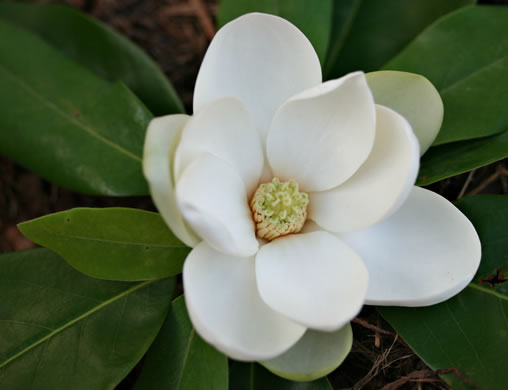
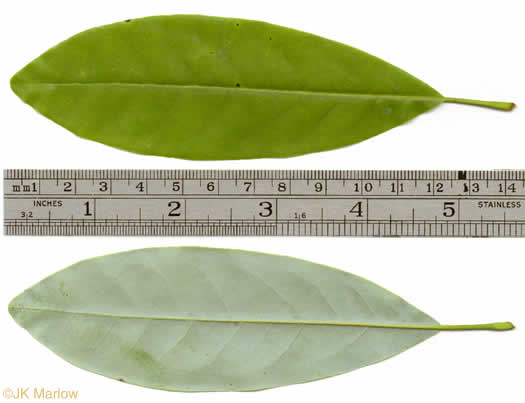
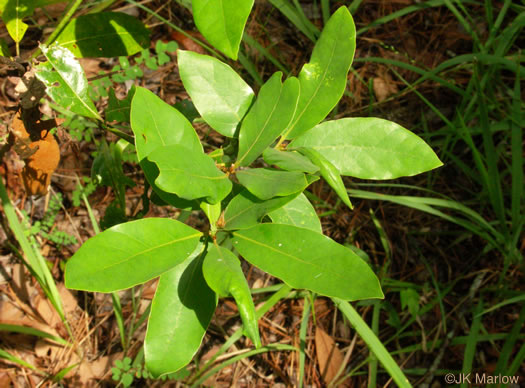
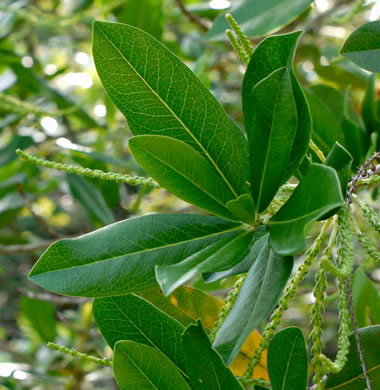
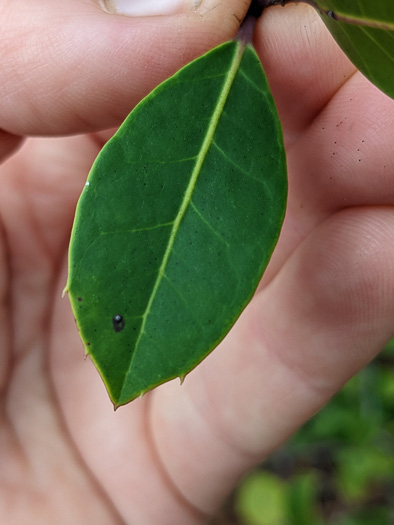
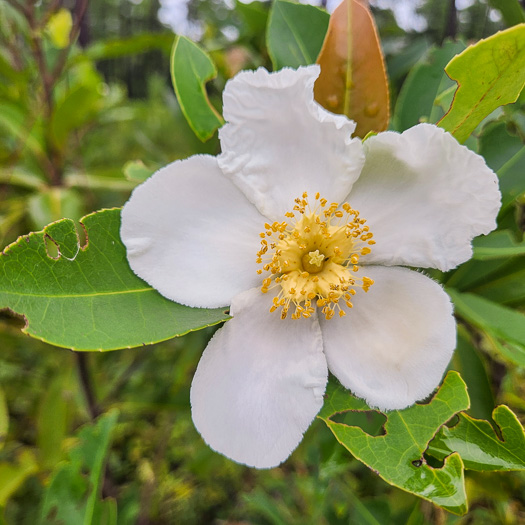
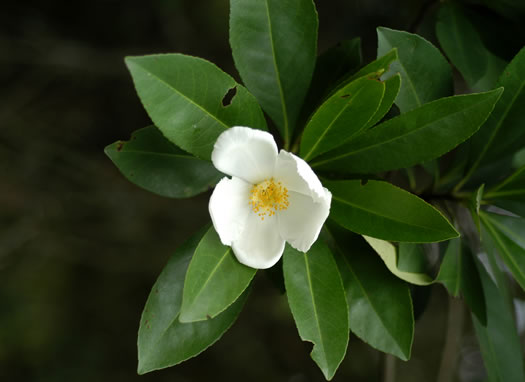
The vegetation of pocosins is a dense growth of shrubs that are associated with scattered trees. Diversity is not great since few species can adapt to the mineral-poor, acid soils and long hydroperiods. The dominant trees are pond pine (Pinus serotina) and loblolly bay (Gordonia lasianthus), with swamp red bay (Persea palustris) and sweet bay occurring as associates. The most frequently found shrubs are the evergreens
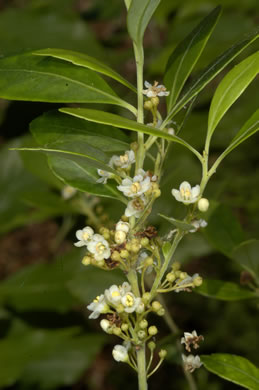
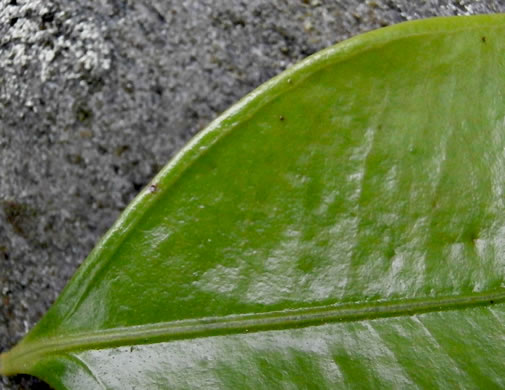
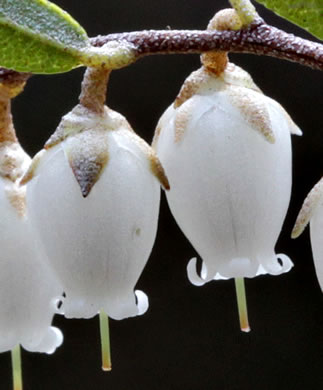
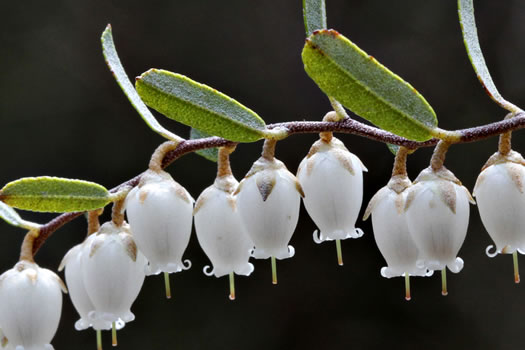
fetterbush (Lyonia lucida),
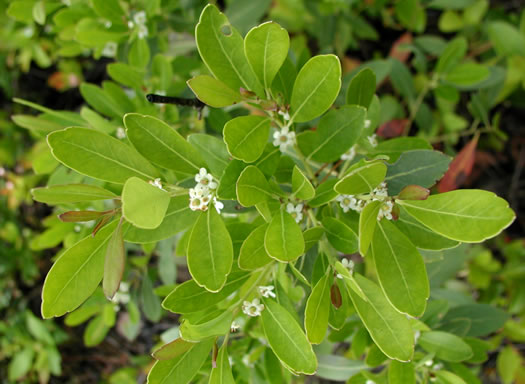
inkberry (Ilex glabra),
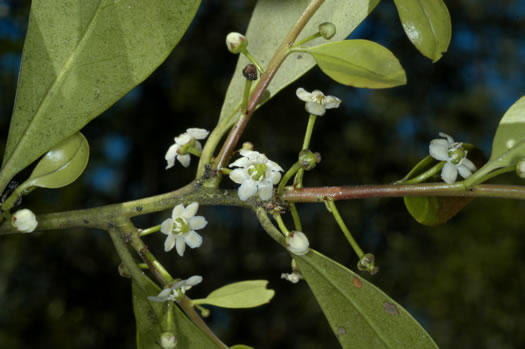
sweet gallberry (Ilex coriacea),
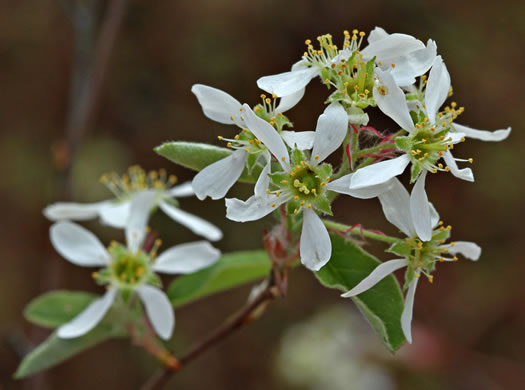
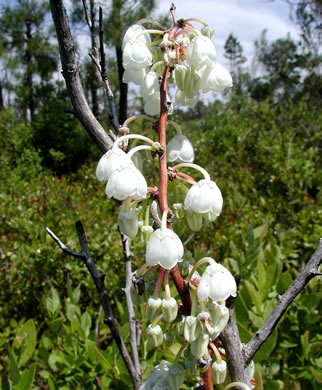
coastal plain serviceberry (Amelanchier obovalis),
and the deciduous shrubs,
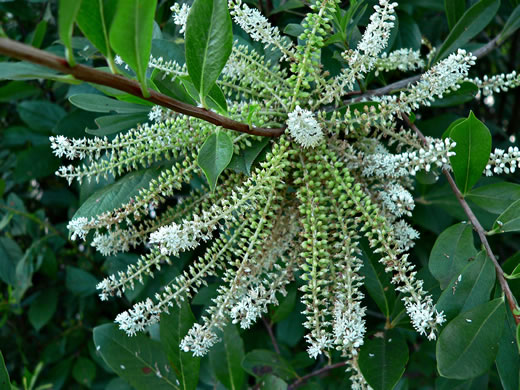
titi (Cyrilla racemiflora)
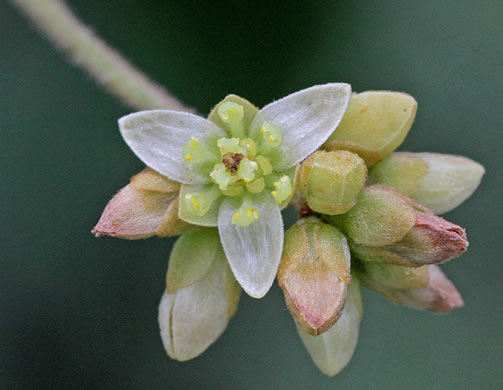
and honey-cups (Zenobia pulverulenta).
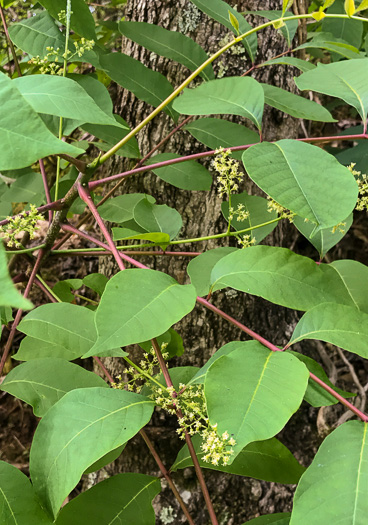
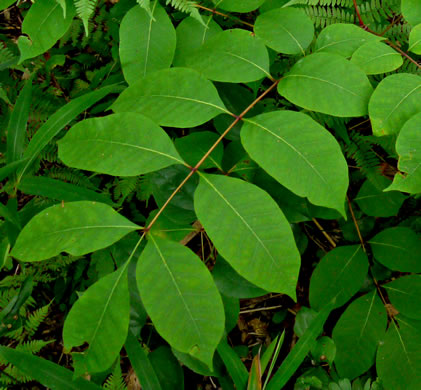
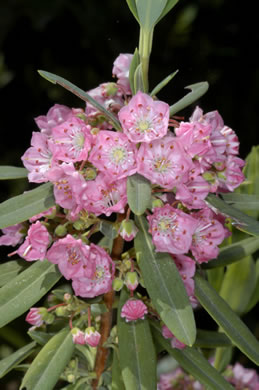
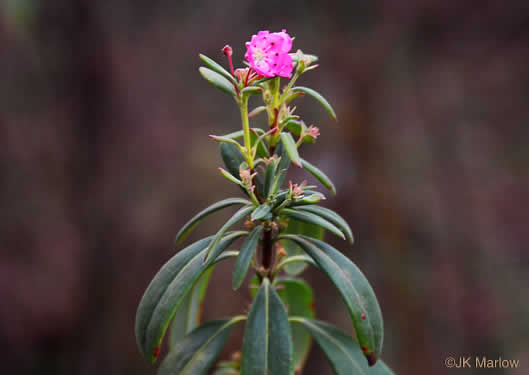
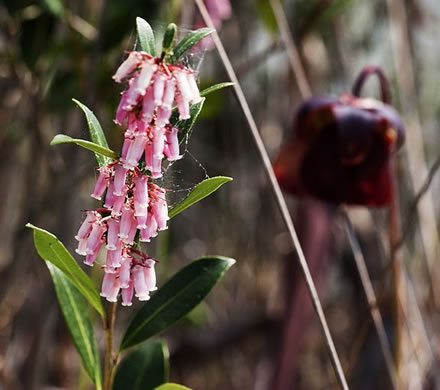
All these species grow with bamboo-vine. Because of the evergreen shrubs, some people call the pocosins “evergreen shrub bogs.” The shrubs in some sites are short (2-3 feet tall) with scattered pond pine and are called low pocosins. In other sites, both shrubs and trees are taller and the sites are called high pocosins. In some pocosins, tall zones exist around the margin with the low pocosin growth in the center. Poison sumac often grows along the margins of pocosins. Two rare evergreen ericads, leather-leaf (Cassandra calyculata) and Carolina wicky (Kalmia carolina), are found along the edges of pocosins.
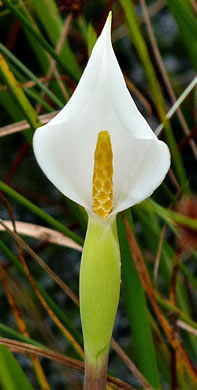
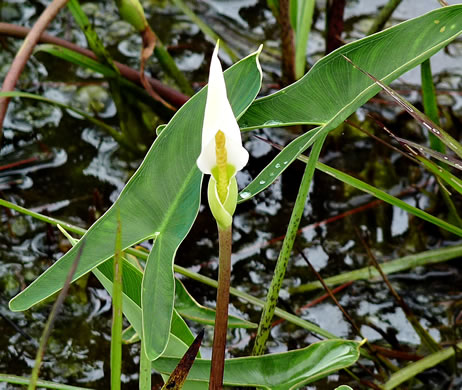
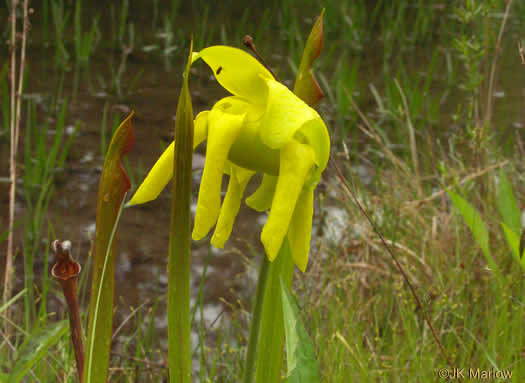
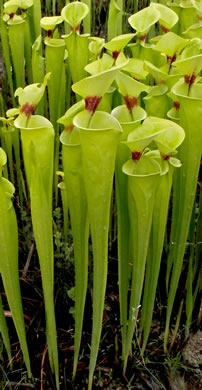
Fires increase the habitat diversity of pocosins by unevenly burning the peat, creating boggy depressions below the water table. These depressions fill with sphagnum and herbaceous species such as yellow trumpet pitcher-plant (Sarracenia flava) and white arum (Peltandra sagittaefolia).
For thousands of years, peat has been building up in these pocosins to a depth of 10 feet or more. During droughts, peat is susceptible to fires, and most pocosins burn about every 10 to 30 years. Pocosin plants have adapted to this fire cycle. After a fire, they vigorously sprout new growth from their rootstocks, which were protected from fire because they are buried in the deeper, wet zone of the peat. Pocosins are also mineral-poor since they receive water mostly from rainfall or drainage through coarse sands.
Pocosins today are being studied intensely as natural reservoirs for water and as habitat for plants and animals. During drought, lower layers of peat hold water that is available to animals or that can be slowly released into the surrounding areas. The dense vegetation also provides habitat for animals that avoid people, such as the endangered black bear and pine barrens treefrog. Pocosins have had a long history of human use; timbering, drainage for agricultural use and timber plantations, peat mining, and urban development all have greatly reduced pocosin habitat. Fortunately, concerned organizations are taking steps to preserve pocosins, especially in Carolina bays.
South Carolina's Natural Wildflower Communities is adapted from A Guide to the Wildflowers of South Carolina by Richard D. Porcher and Douglas A. Rayner. Used by permission.
To see pictures or additional information about a particular plant, click its name or its picture.