South Carolina's Natural Wildflower Communities —
THE COASTAL PLAIN:
The sandy, dry, open woodlands community
Sandy, dry, open woodlands
The sandy, dry, open woodland community is probably a successional community that develops on sand ridges following agricultural abandonment or after disturbance of a dry oak-hickory forest or dry pinelands.
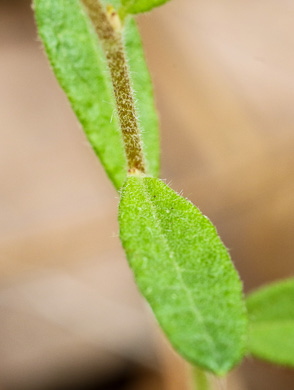
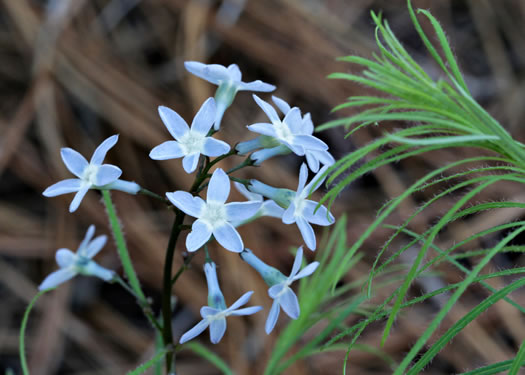
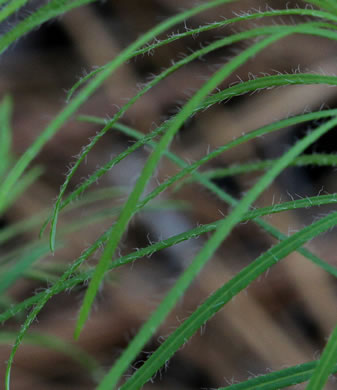
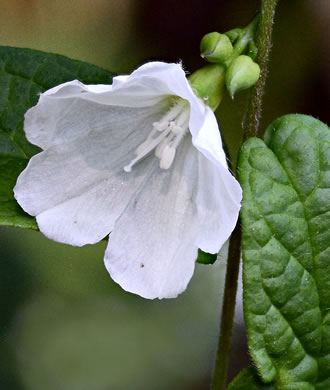
Canopy trees are scattered and consist of “dry” oaks and hickories with occasional loblolly pines. Shrubs are sparse. The herbaceous plant layer is open and best defines the community. Invariably some of the following herbaceous wildflowers occur in the community:
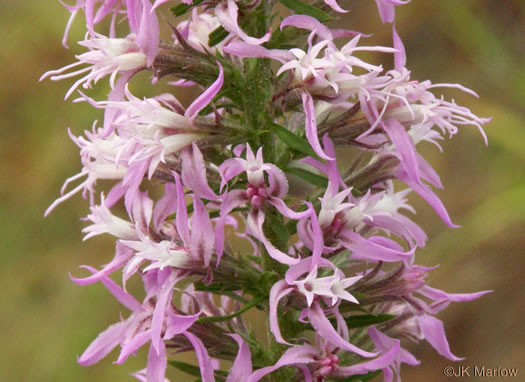
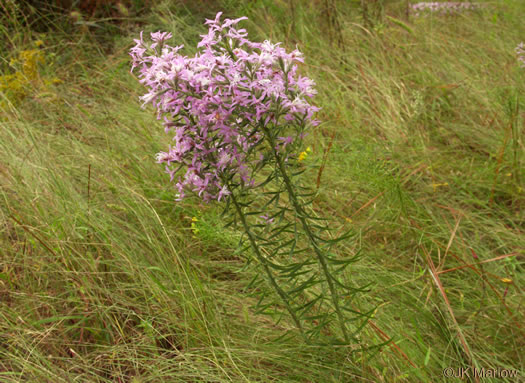
blazing star (Liatris elegans),
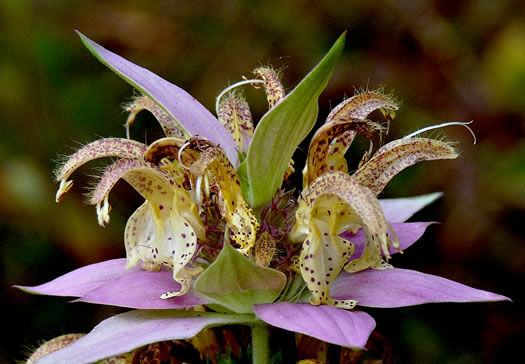
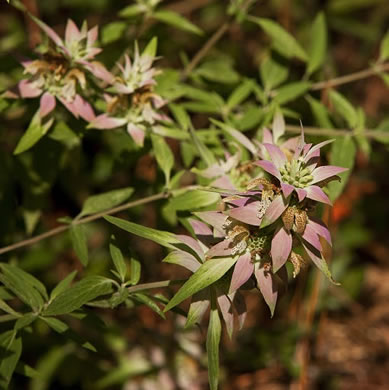
horse mint (Monarda punctata),
blue star (Amsonia ciliata),
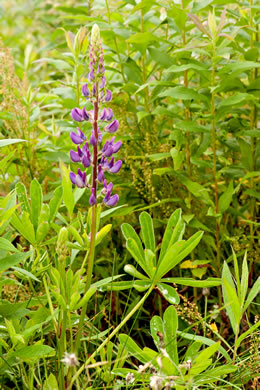
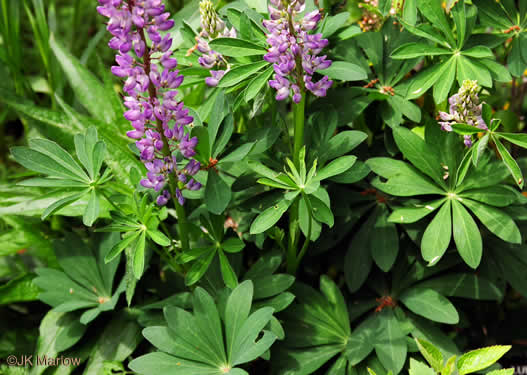
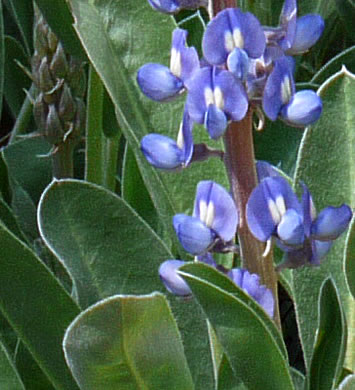
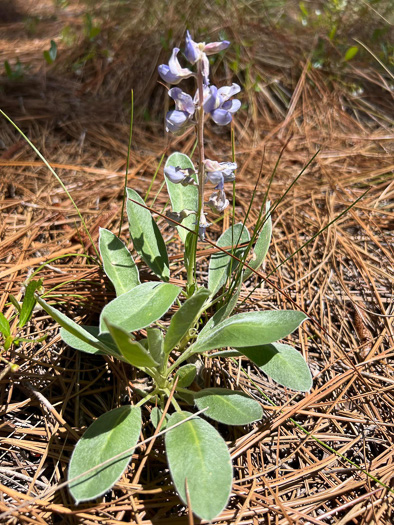
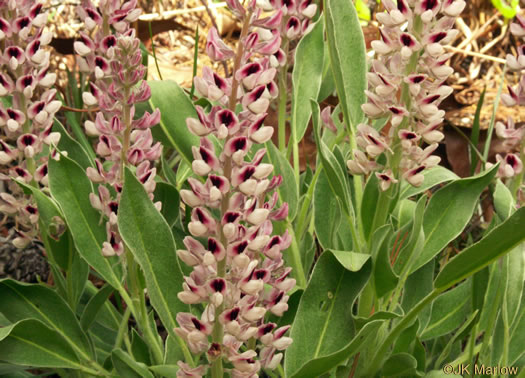
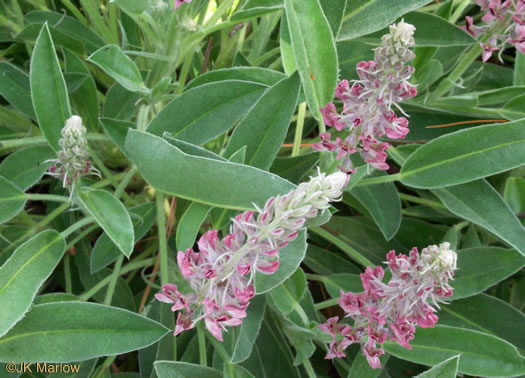
three species of lupine (Lupinus perennis, L. villosus, and L. diffusus),
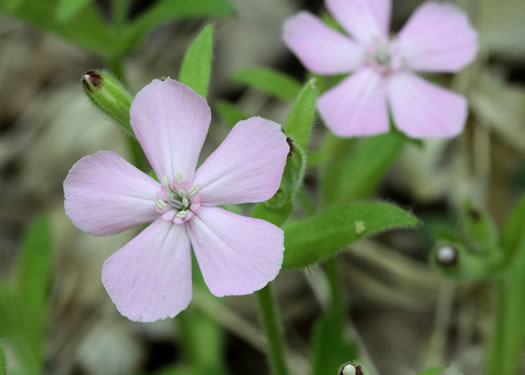
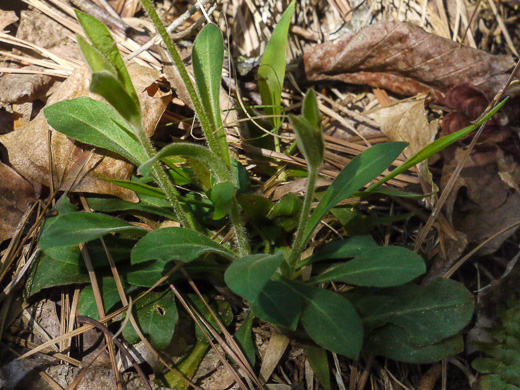
wild pink (Silene caroliniana var. caroliniana),
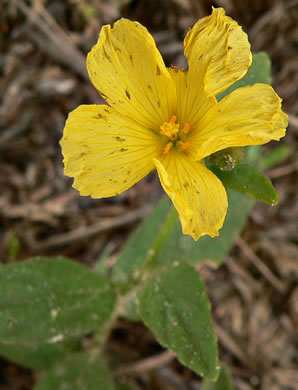
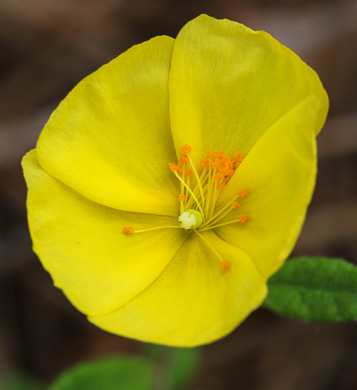
piriqueta (Piriqueta caroliniana),
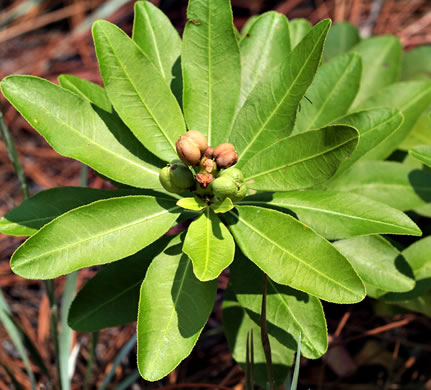
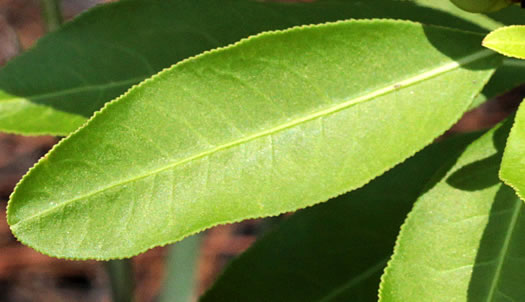
queen's-delight (Stillingia sylvatica),
southern dawnflower (Stylisma humistrata),
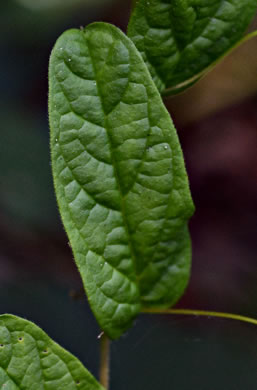
vase-vine (Clematis reticulata),
and Canada frostweed (Helianthemum canadense).
Several of the above herbs also occur in the xeric communities.
South Carolina's Natural Wildflower Communities is adapted from A Guide to the Wildflowers of South Carolina by Richard D. Porcher and Douglas A. Rayner. Used by permission.
To see pictures or additional information about a particular plant, click its name or its picture.