South Carolina's Natural Wildflower Communities —
THE PIEDMONT:
The piedmont springhead seepage forest community
Piedmont springhead seepage forests
Well-developed examples of springhead seepage forests are restricted to the upper piedmont. The best sites are all in the vicinity of Travelers Rest in Greenville County. Springhead forests begin at seepages at the base of slopes and may extend downslope for just a few feet or for hundreds or thousands of feet. They are characterized by the presence of seepage channels that have year-round, slow-moving, cool ground-water. Seepage channels often divide downslope from the seephead and may become so braided that water eventually does not flow continuously, which usually determines the lower extent of the springhead forest. All known springhead forests in South Carolina are bounded by pacolet sandy loam soils, which are apparently ideally suited to the uptake and storage of rainwater and its slow release as seepage.
Good examples of this community typically have a closed canopy composed of red maple, swamp gum, and tulip tree. Shrubs are sparse to dense, with dense shrub cover confined to canopy openings. A diversity of shrubs that are typical of boggy habitats may be present, especially
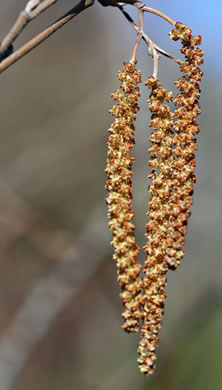
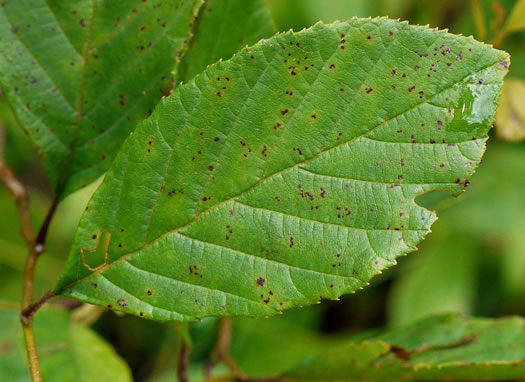
tag alder (Alnus serrulata),
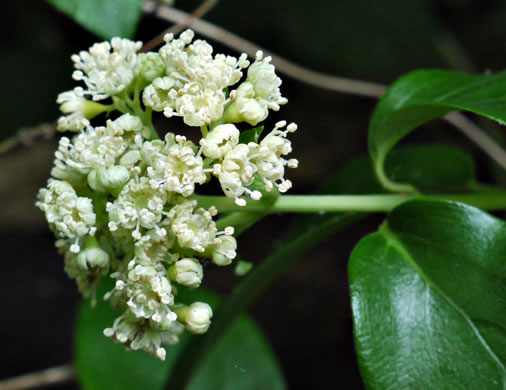
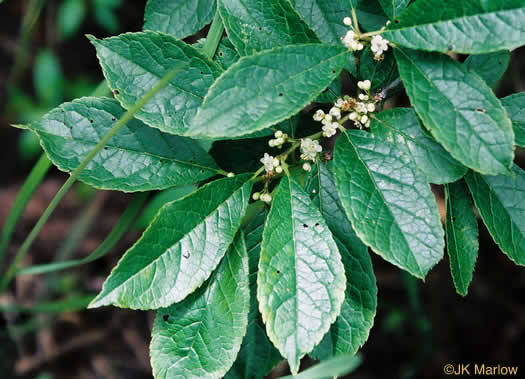
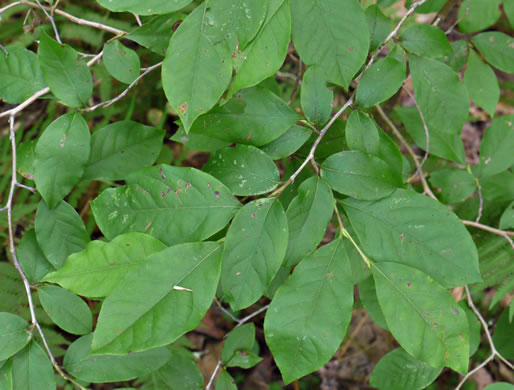
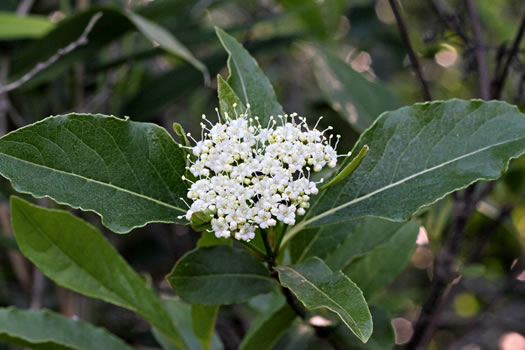
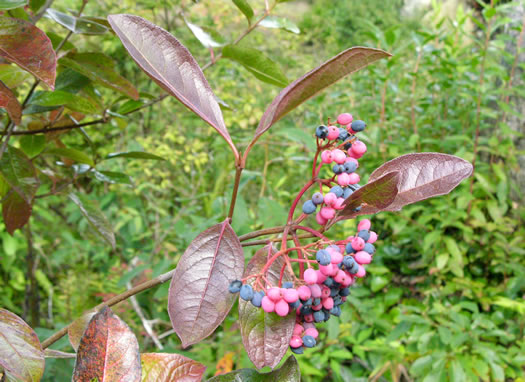
wild raisin (Viburnum nudum),
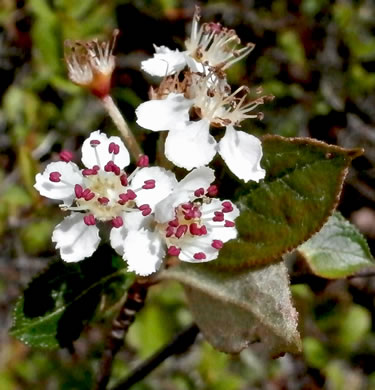
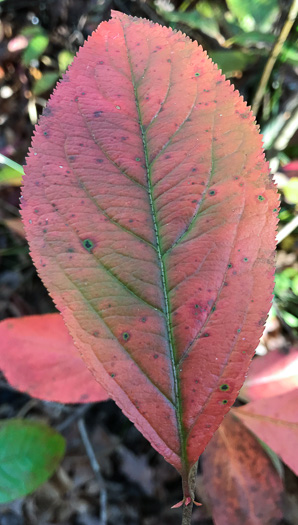
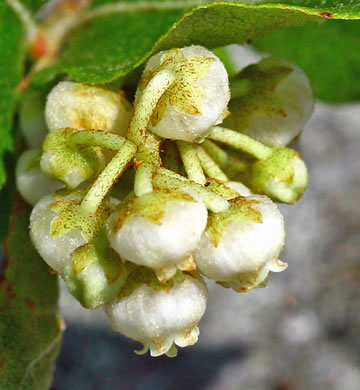
and red chokeberry (Aronia arbutifolia).
Additional shrubs present in this community include
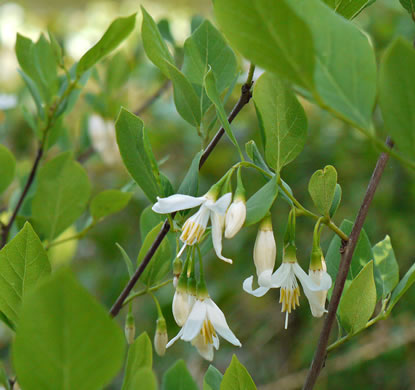
American storax (Styrax americana),
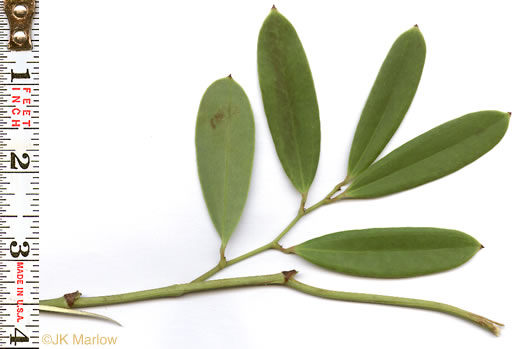
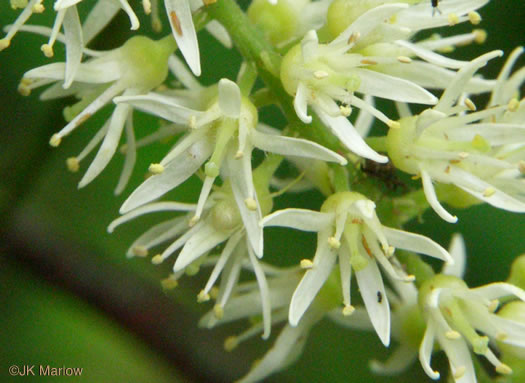
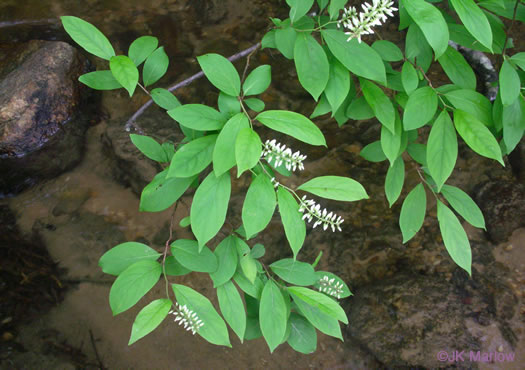
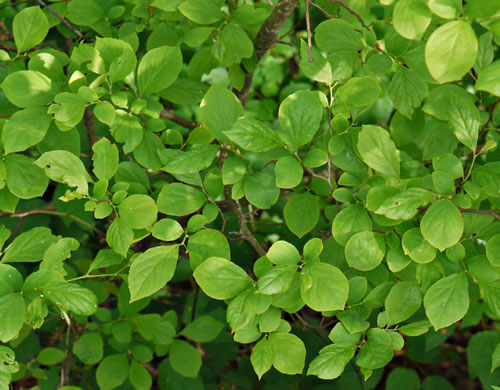
Virginia willow (Itea virginica),
male-berry (Lyonia ligustrina),
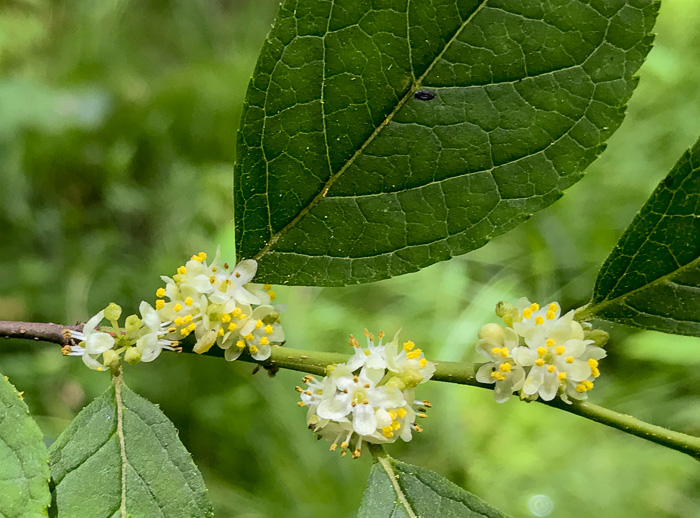
common winterberry (Ilex verticillata),
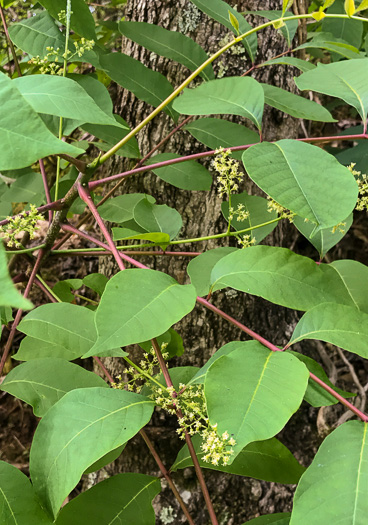
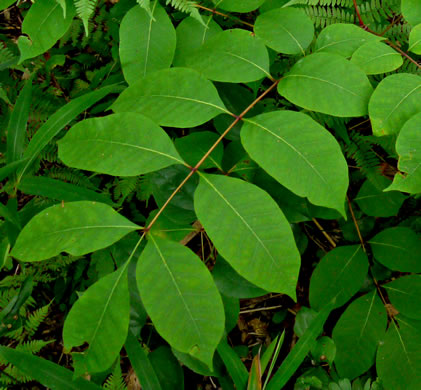
and poison sumac (Rhus vernix).
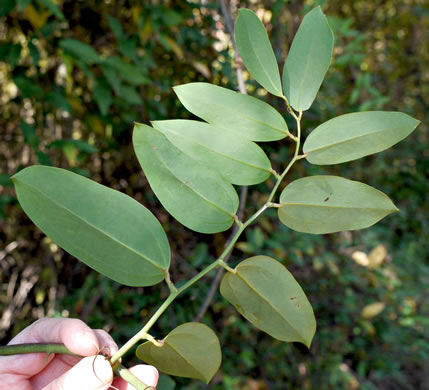
Important vines include climbing hydrangea (Decumaria barbara) and bamboo-vine (Smilax laurifolia), with the latter species sometimes forming impenetrable tangles.
The herbaceous layer varies from sparse to dense, and grasses and sedges are only abundant in canopy openings. Sphagnum moss is generally not abundant. Important herbs include
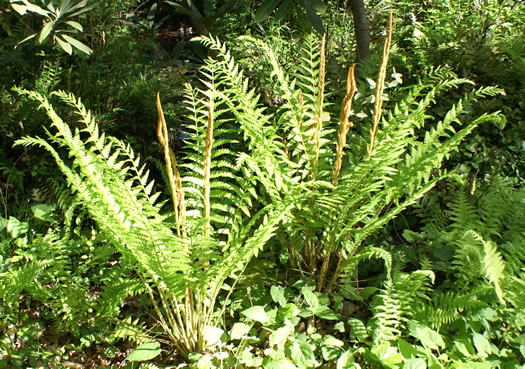
cinnamon fern (Osmunda cinnamomea),
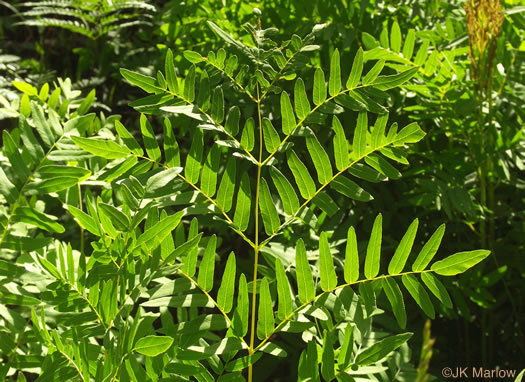
royal fern (O. regalis var. spectabilis),
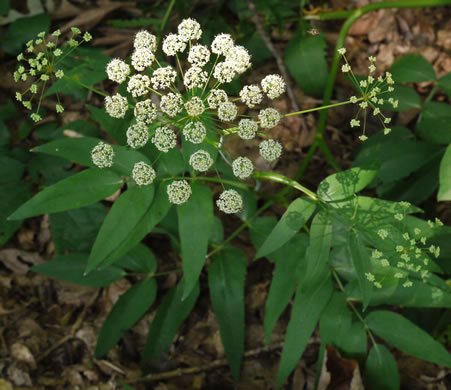
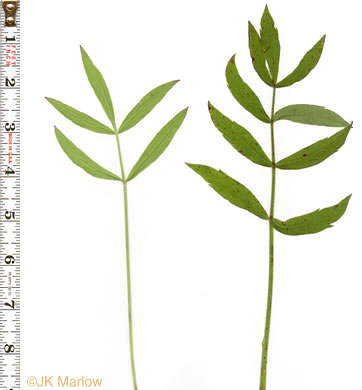
stiff cowbane (Oxypolis rigidior),
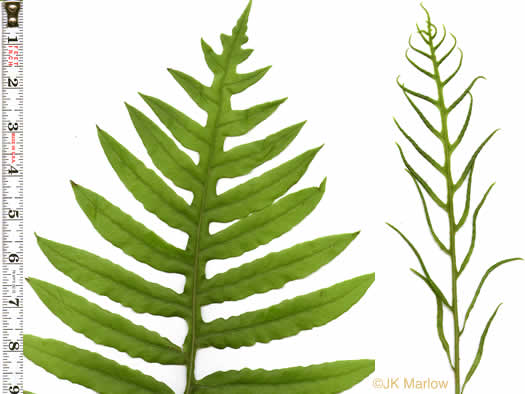
netted chain-fem (Woodwardia areolata),
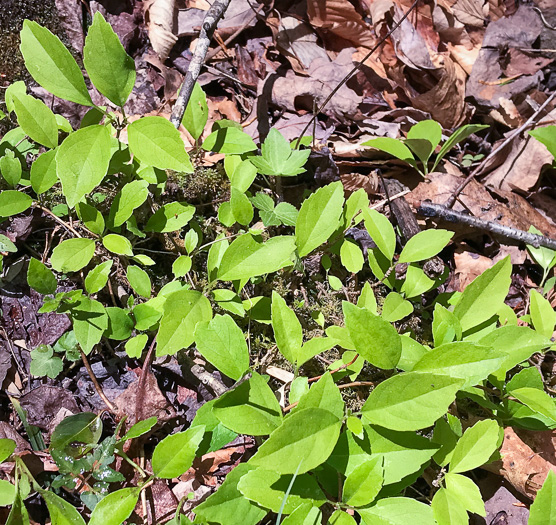
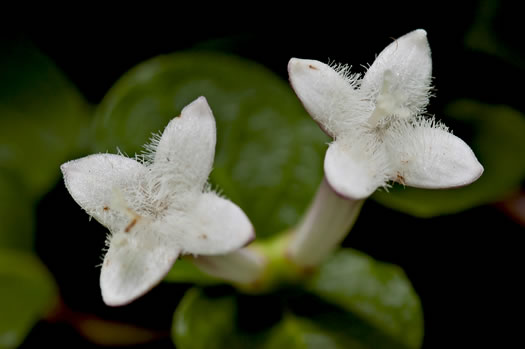
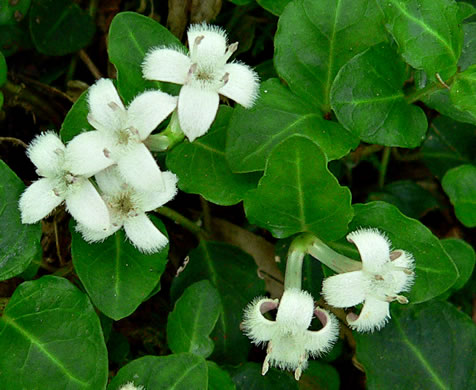
and partridge berry on drier hummocks.
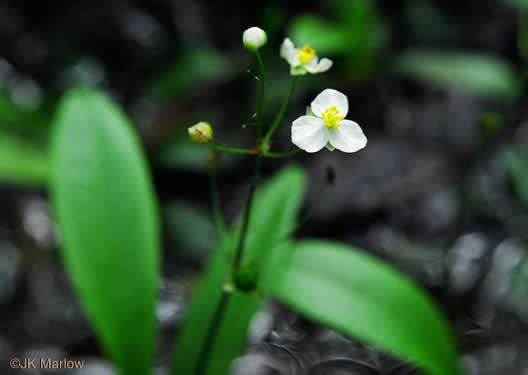
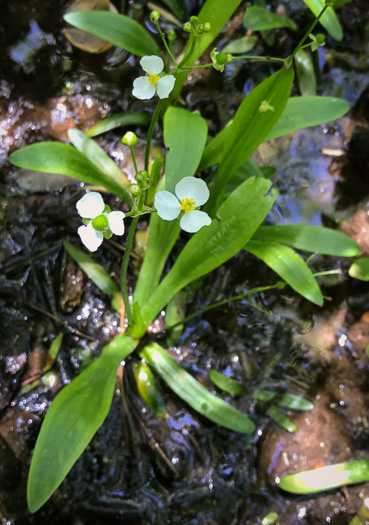
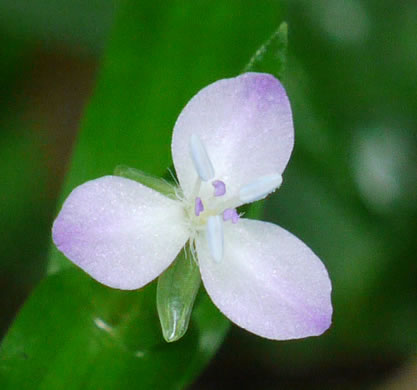
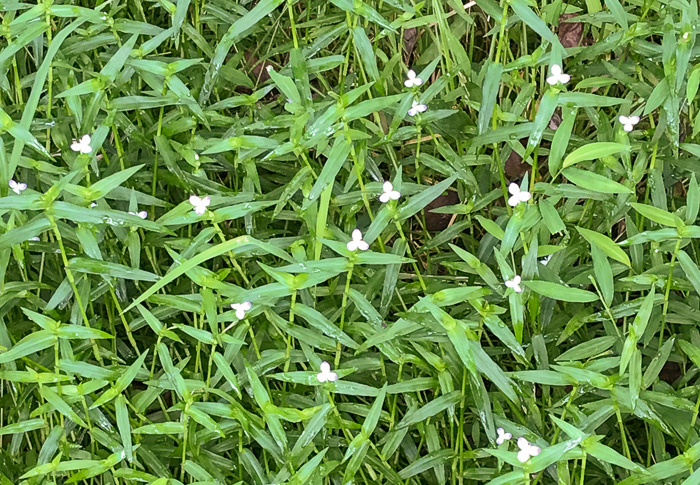
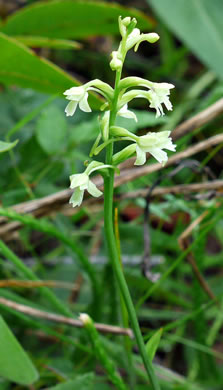
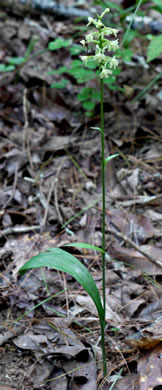
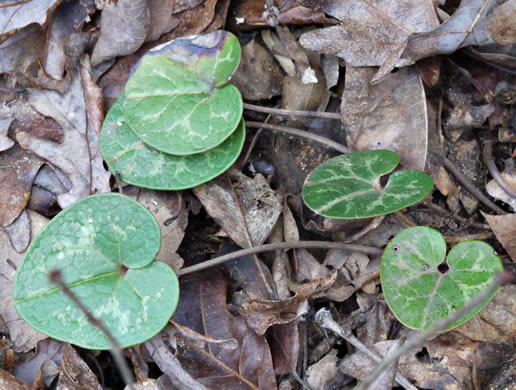
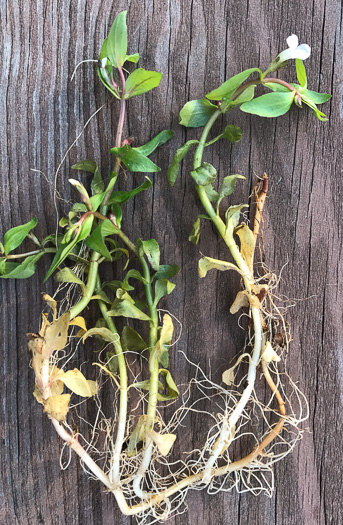
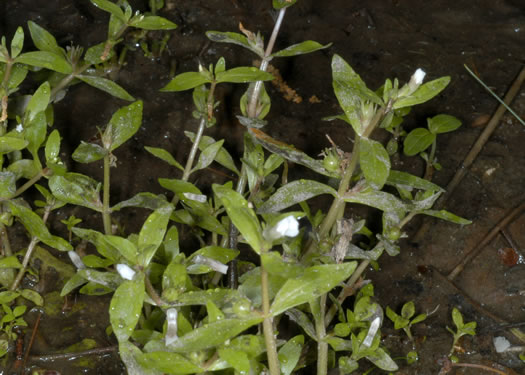
The edges of the seepages have at least some plants of the small green wood-orchid (Platanthera clavellata), while the seepages typically harbor a hedge-hyssop (Gratiola virginiana), and in the best sites, the federally endangered bunched arrowhead (Sagittaria fasciculata). Some seepages are being taken over by the nonnative weed Murdannia keisak. Hummocks between the seepages may harbor the rare dwarf-flower heartleaf (Hexastylis naniflora). Additional rare species that are found only at a few sites include
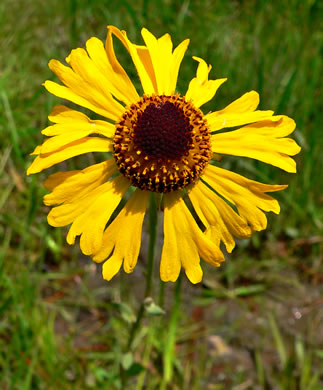
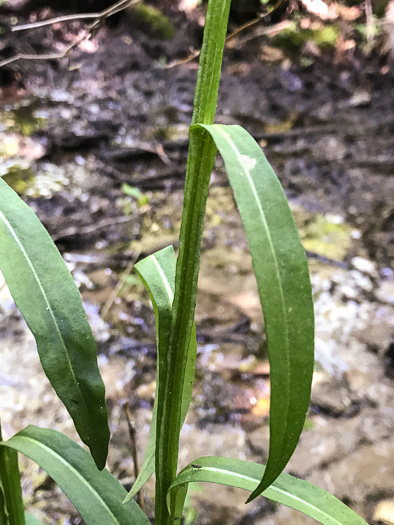
littleleaf sneezeweed (Helenium brevifolium),
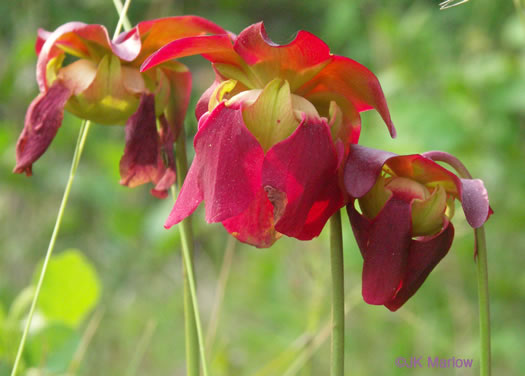
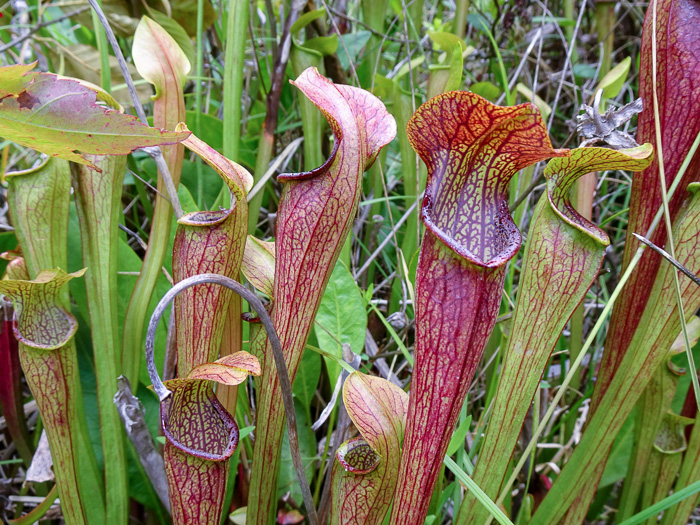
mountain sweet pitcher-plant (Sarracenia jonesii),
and Bailey’s sedge (Carex baileyi).
In the best sites, seepage channels are over solid sands, and the forest is not especially boggy. As silt buildup occurs, which is accelerated by upslope disturbance, this community becomes more boggy. The seepage channels change from being clear and constantly flowing to being stagnant and filled with a reddish scum that is indicative of the activity of anaerobic fungi. It is unclear what management is needed to maintain this community long term.
South Carolina's Natural Wildflower Communities is adapted from A Guide to the Wildflowers of South Carolina by Richard D. Porcher and Douglas A. Rayner. Used by permission.
To see pictures or additional information about a particular plant, click its name or its picture.