South Carolina's Natural Wildflower Communities —
THE MOUNTAINS:
The rocky streamside community
Rocky streamsides
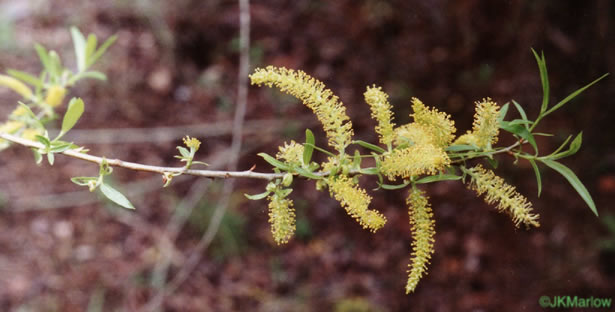
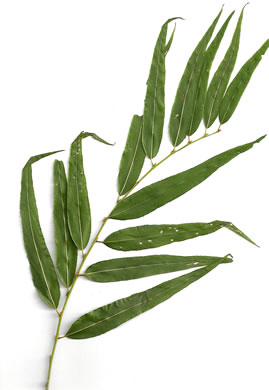
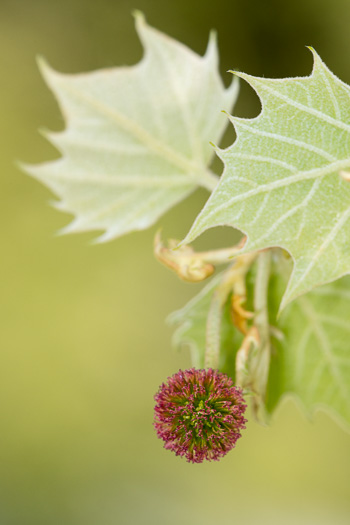
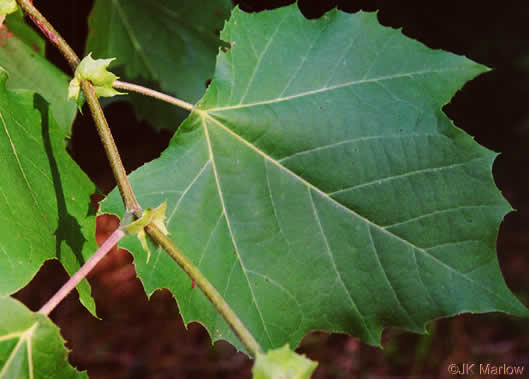
The rocky streamside community is in and adjacent to streams and rivers and consists of gravel bars or exposed bedrock and/or boulders with sandy/gravelly soil. It is common in the mountains and much less common in the piedmont. Plant composition is extremely variable from site to site because of differences in stream size, amount and degree of bedrock exposure, boulders, gravel, and extent and duration of flooding. Trees are usually not present in abundance because these habitats are too rocky, too wet, or too severely scoured by intermittent floods; however, black willow (Salix nigra) and sycamore (Platanus occidentalis) are usually present, at least as dwarfs in sites that have wide, rocky/gravelly streamsides. Shrub cover is generally sparse to moderate, with occasional dense thickets. A wide variety of shrub species may be present, with the best sites displaying
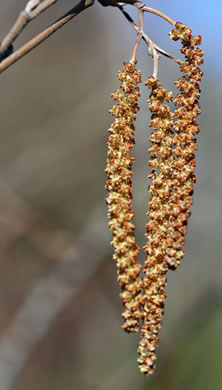
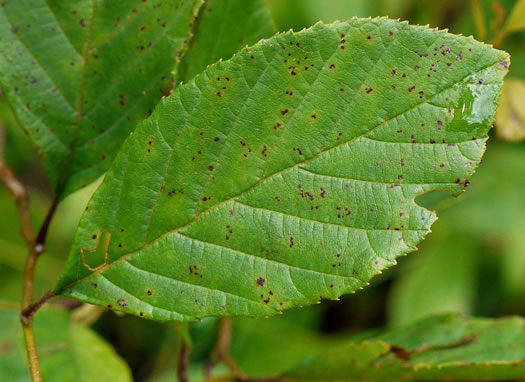
tag alder (Alnus serrulata),
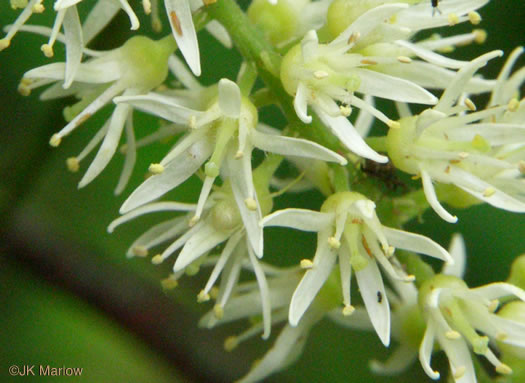
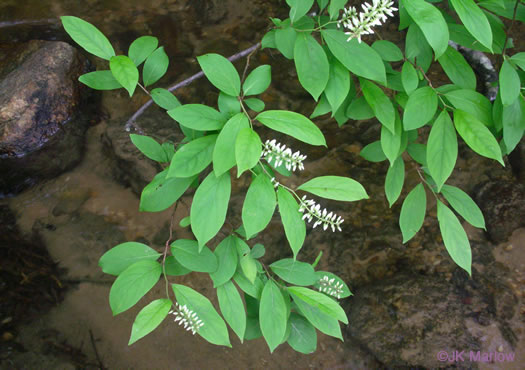
Virginia willow (Itea virginica),
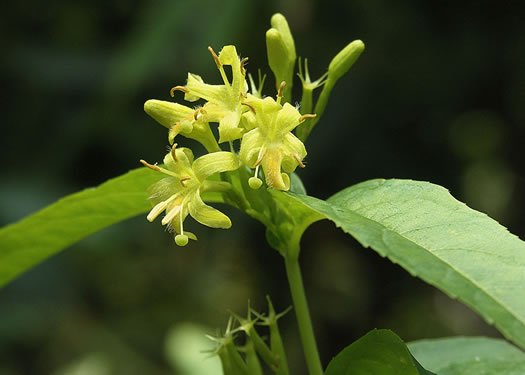
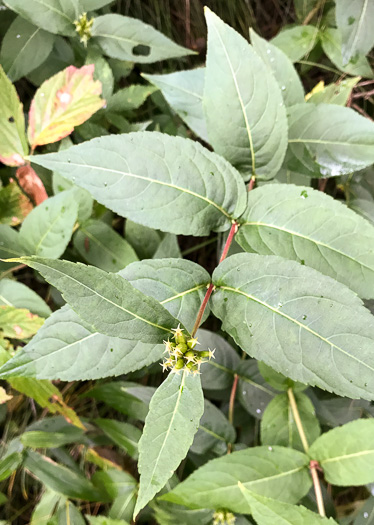
bush-honeysuckle (Diervilla sessilifolia),
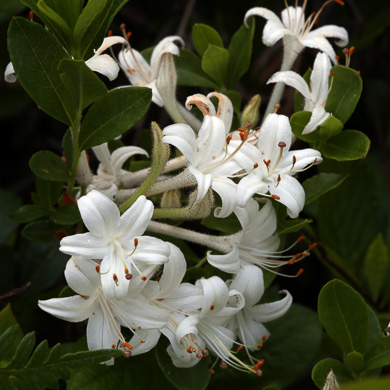
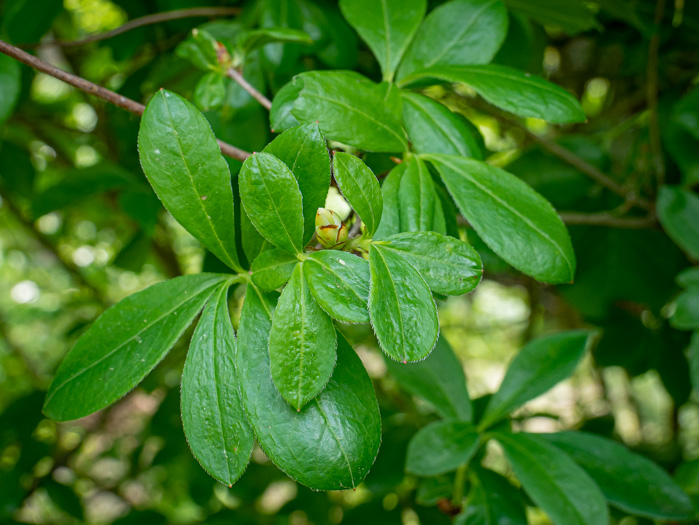
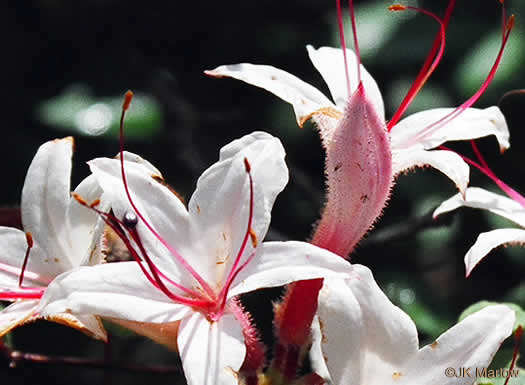
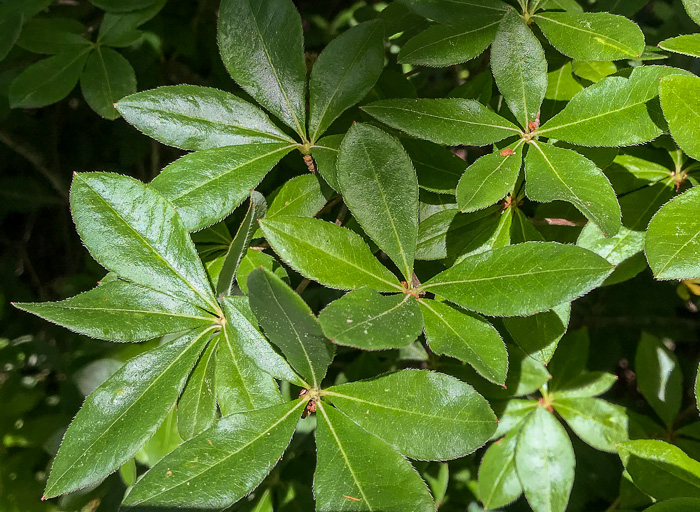
and several species of azaleas, including smooth azalea (Rhododendron arborescens)
and clammy azalea (R. viscosum).
Herbs include mosses and liverworts, as well as grasses, sedges, and rushes. A great diversity of broadleaf herbs also may be present. Sites with variable microtopography may have a mix of dry, mesic, and wet-loving species as well as many weedy species. Herbs that occur in this community include
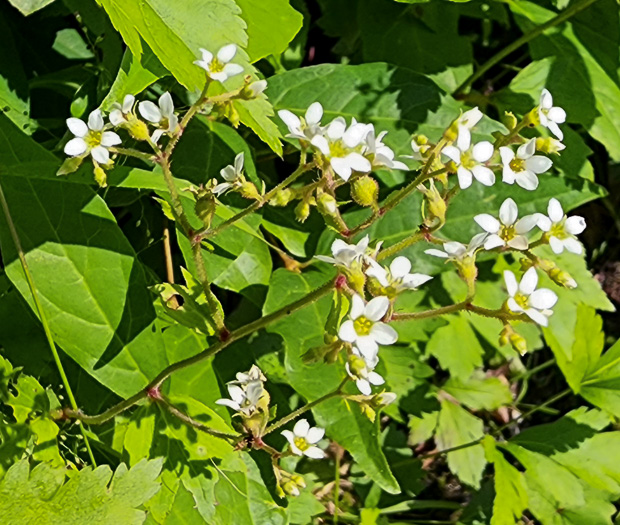
brookfoam (Boykinia anconitifolia),
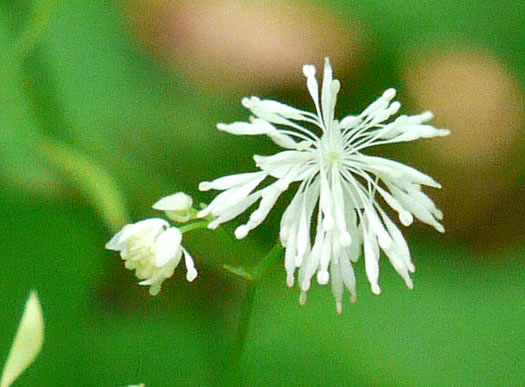
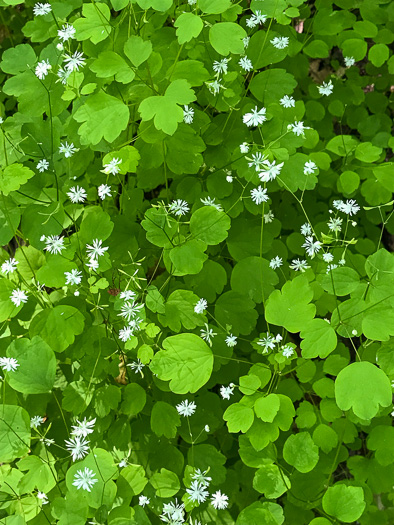
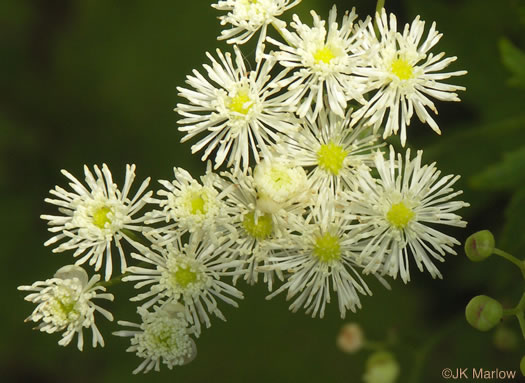
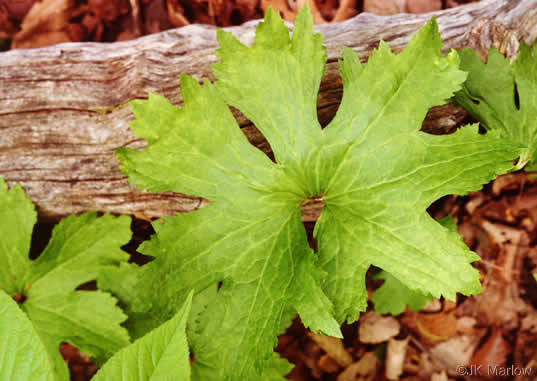
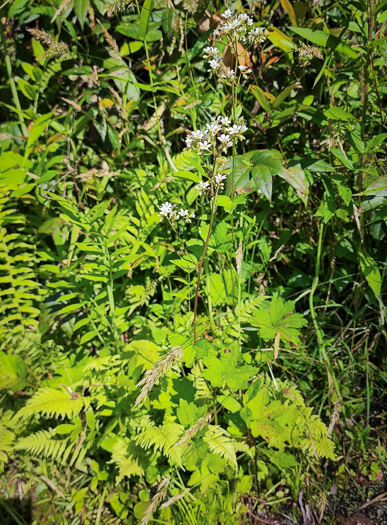
Carolina tassel-rue (Trautvetteria caroliniensis),
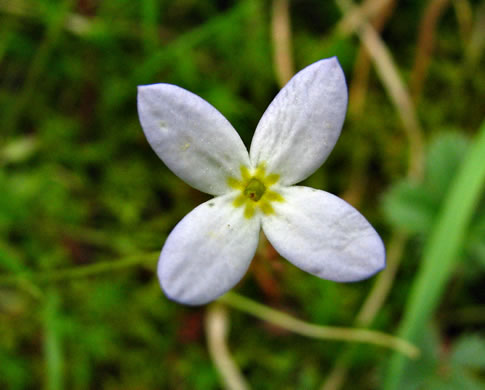
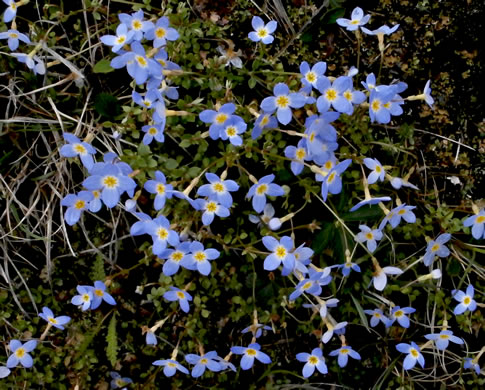
common bluet (Houstonia caerulea),
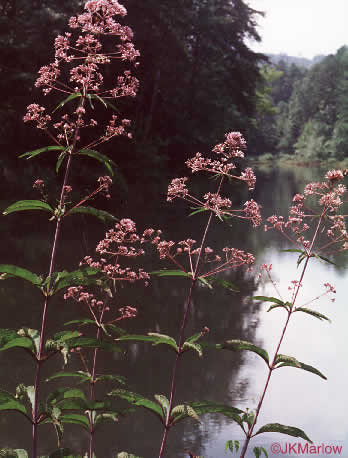
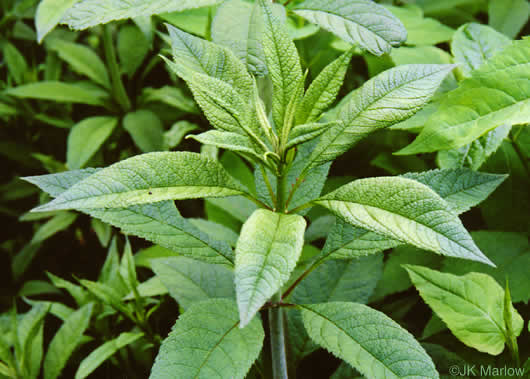
hollow-stem Joe-pye weed (Eupatorium fistulosum),
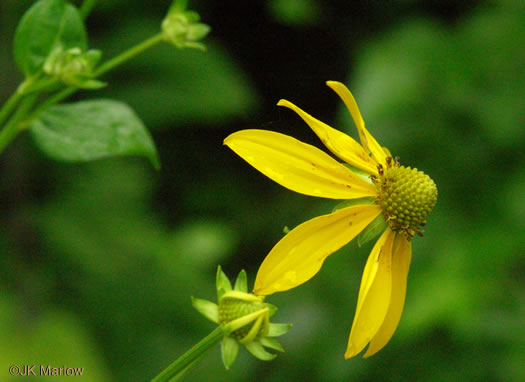
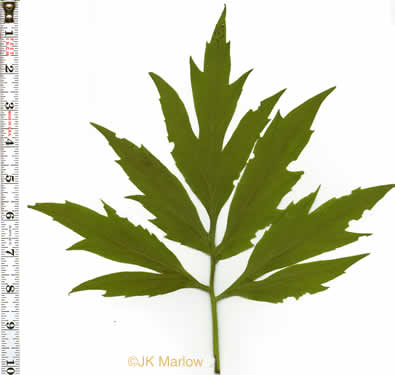
and coneflower (Rudbeckia laciniata).
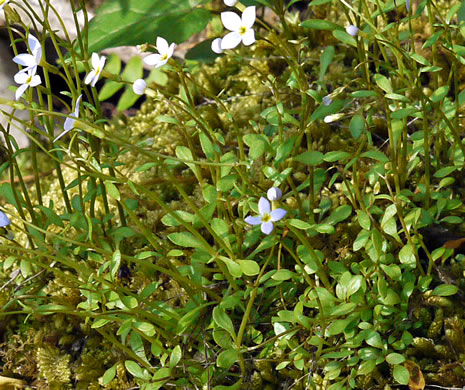
Appalachian bluet (H. serpylifolia)
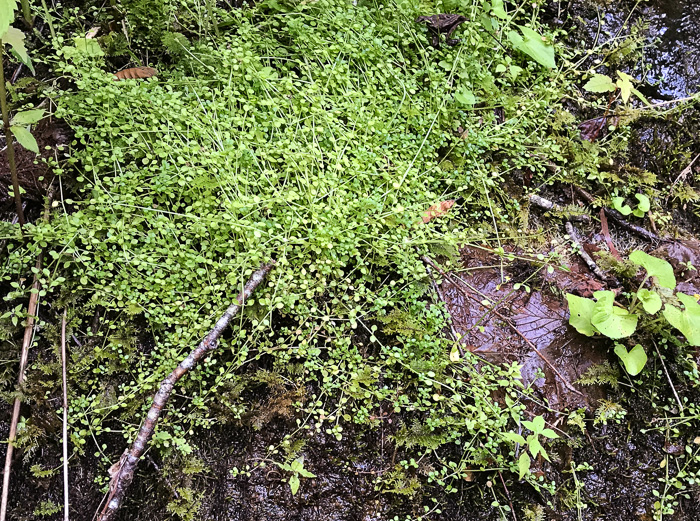
and mountain meadow rue (Thalictrum clavatum), species that are more typical of seepages, are often present.
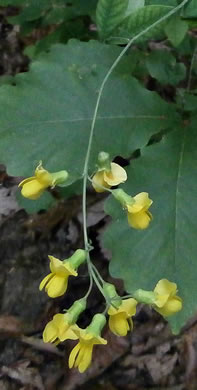
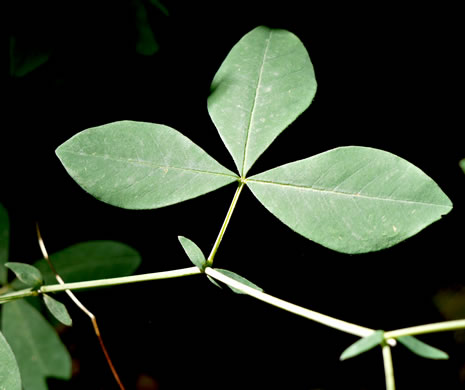
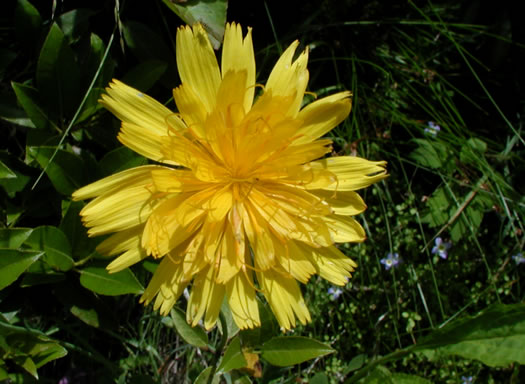
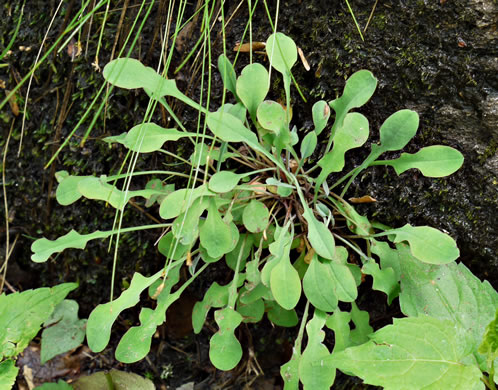
Ash-leaf golden-banner (Thermopsis fraxinifolia), a rare species that is more typical of dry ridges, is sometimes present. Mountain dwarf-dandelion (Krigia montana) may be more abundant here in dry rock crevices that are above the flood zone than it is in its granitic dome habitat. A variety of composites also are present, including goldenrods, asters, and coreopsis.
Because this is a wildflower community occurring in nearly full sun, species bloom all year, but a visit in early July allows one to see most of the characteristic species in bloom. The associated clear water stream makes this a pleasant plant community to visit any time of the year. The best examples of this plant community are along the Chattooga and Chauga Rivers in Oconee County.
South Carolina's Natural Wildflower Communities is adapted from A Guide to the Wildflowers of South Carolina by Richard D. Porcher and Douglas A. Rayner. Used by permission.
To see pictures or additional information about a particular plant, click its name or its picture.