South Carolina's Natural Wildflower Communities —
THE COASTAL PLAIN:
The pine communities
Longleaf pine flatwoods / Pine/saw palmetto flatwoods / Longleaf pine savannas / Longleaf pine-turkey oak xeric ridges
Longleaf pine flatwoods
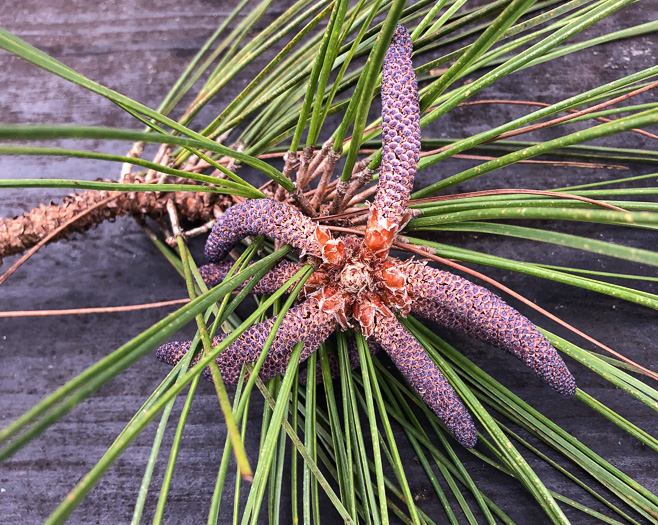
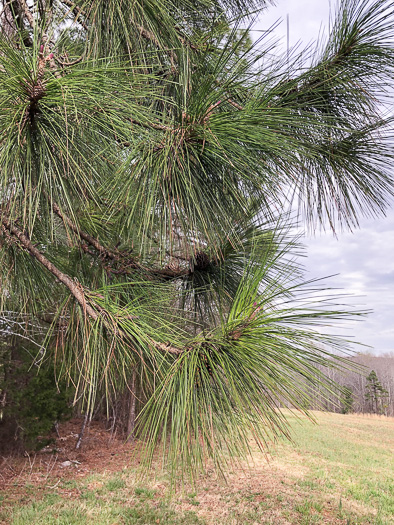
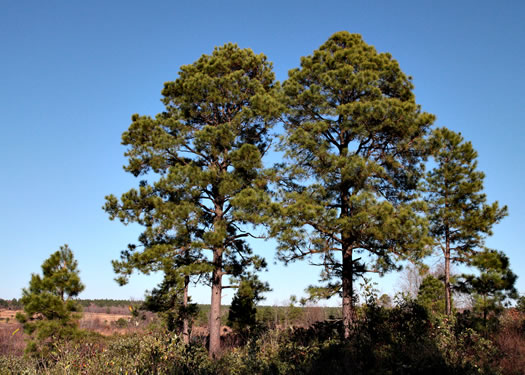
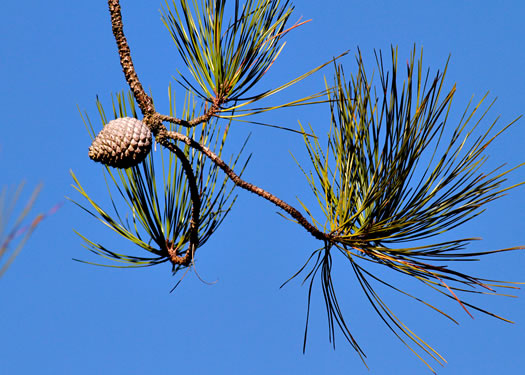
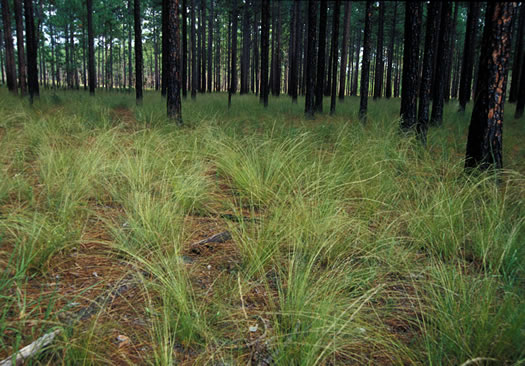
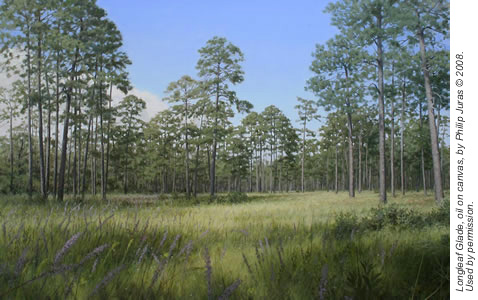
The typical pine flatwoods are dominated by a canopy of tall, longleaf pines. The terrain is flat to gently rolling with a sandy soil and high water table. Although longleaf pine characterizes the community, loblolly and slash pine may occur.
In flatwoods where fire is infrequent, a well-developed shrub layer and understory may develop. Under high fire frequency, the shrubs and understory species are kept in check. Because of the site-to-site variation in the understory and shrub layers, pine flatwoods are difficult to characterize. Common understory trees include
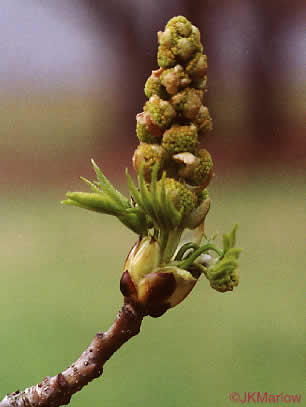
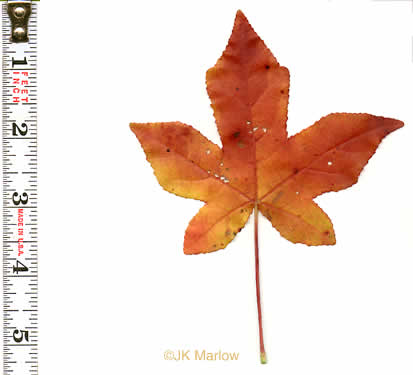
sweet gum,
blackjack oak (Quercus marilandica),
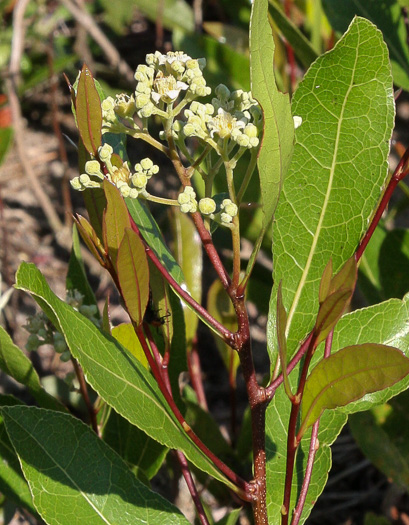
and black gum (Nyssa sylvatica).
Common shrubs include
wax myrtle (Myrica cerifera var. pumila),
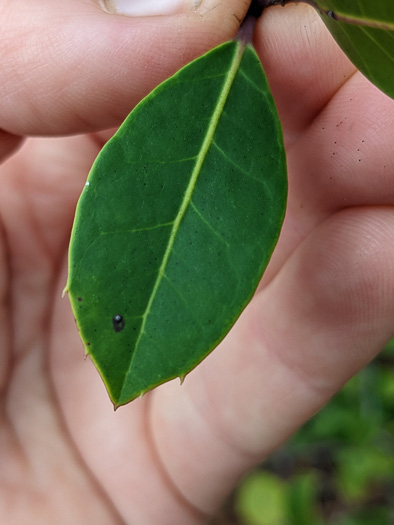
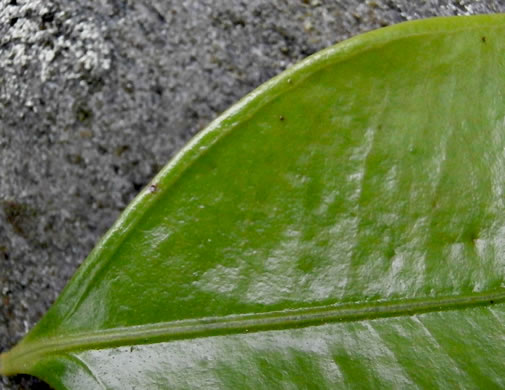
inkberry (Ilex glabra),
huckleberry (Gaylussacia frondosa),
running oak (Quercus pumila),
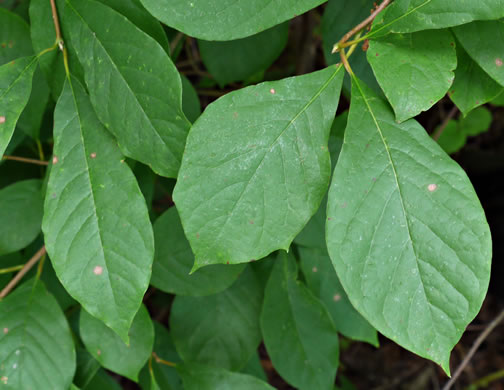
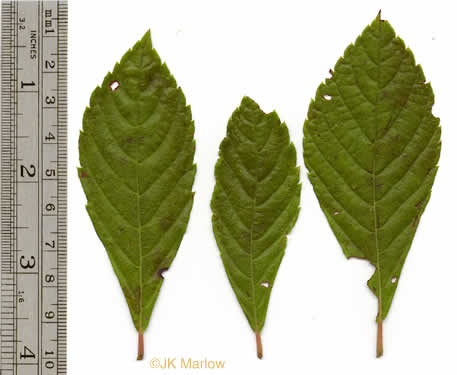
sweet pepperbush (Clethra alnifolia),
and scrubby post oak (Quercus margaretta).
The herbs of frequently burned pine flatwoods include grasses, heaths, legumes, and composites but few of the showy species of the savannas. Grasses include broomstraws (Andropogon spp.), while the legumes include
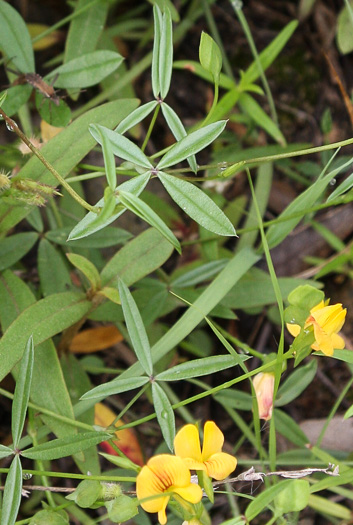
zornia (Zornia bracteata),
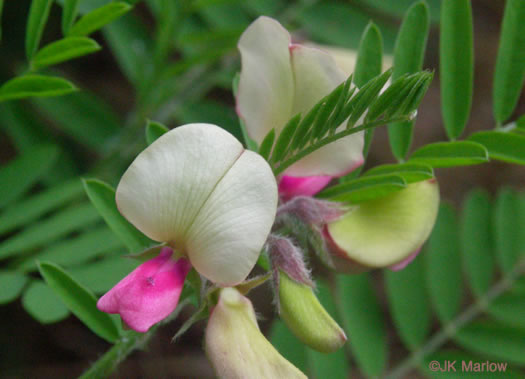
beggar's lice (Desmodium spp.).
Lespedeza spp.,
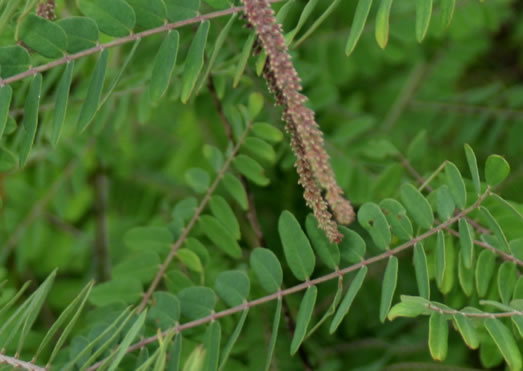
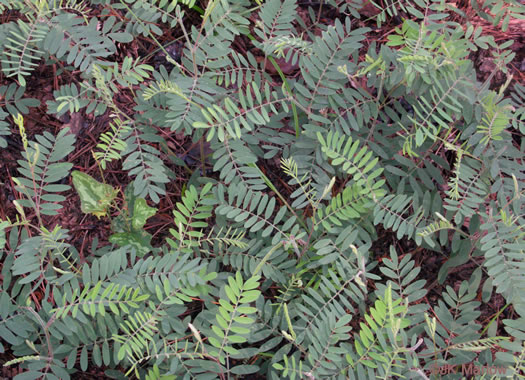
lead plant (Amorpha herbacea),
and goat’s rue (Tephrosia virginiana).
The composites include
black-root (Pterocaulon pycnostachyum),
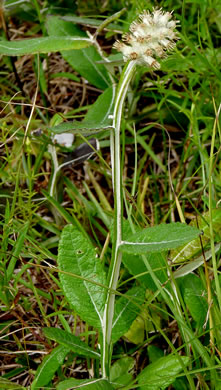
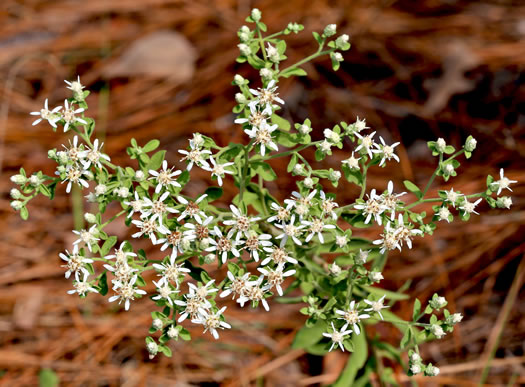
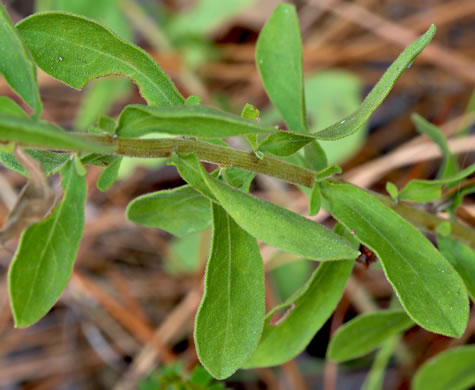
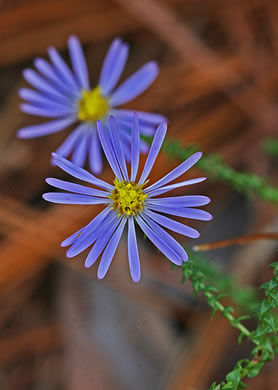
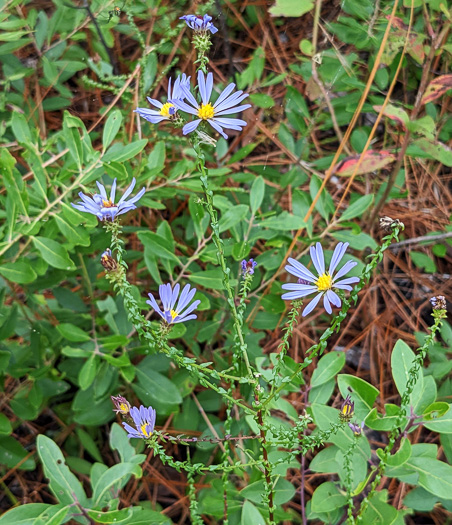
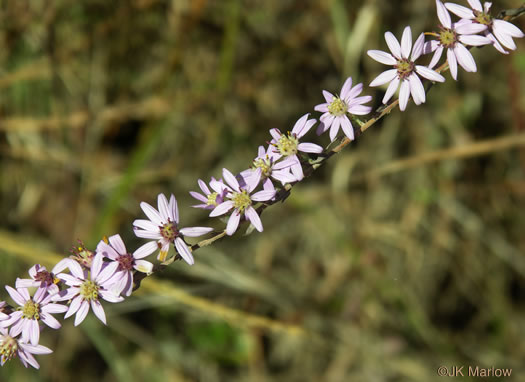
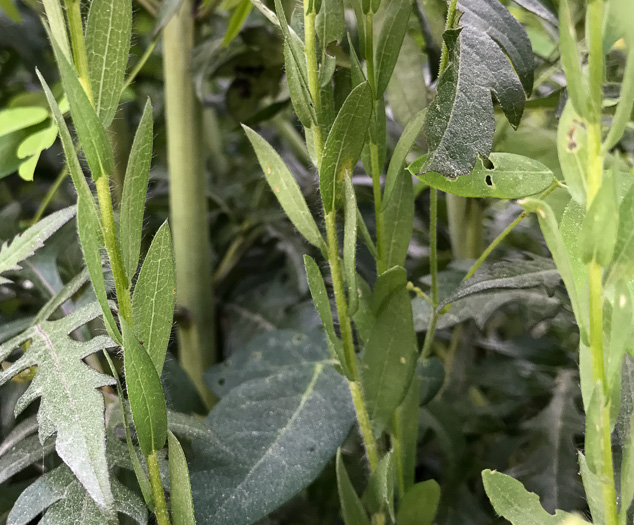
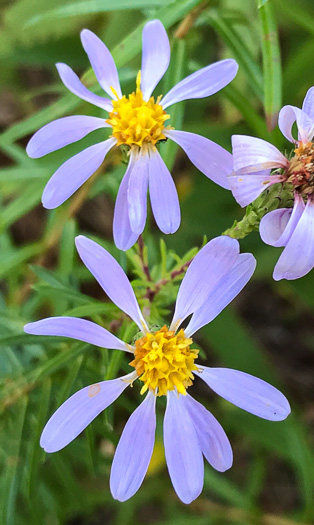
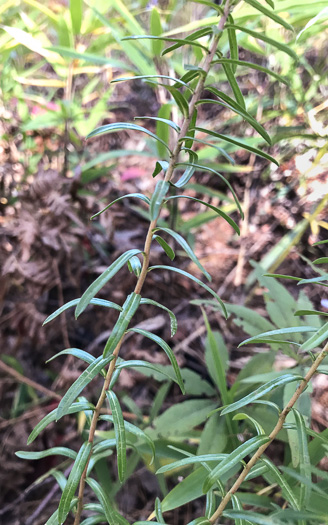
asters (Aster squarrosus, A. tortifolius A. reticulatus, A. linariifolius and A. concolor),
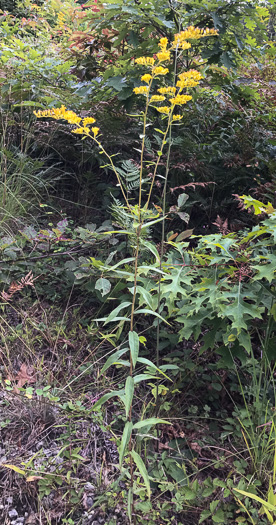
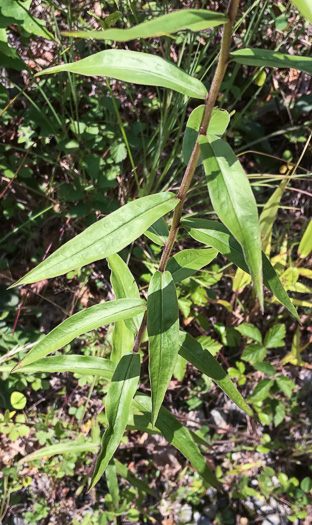
and goldenrods (Solidago spp., including fragrant goldenrod, S. odora).
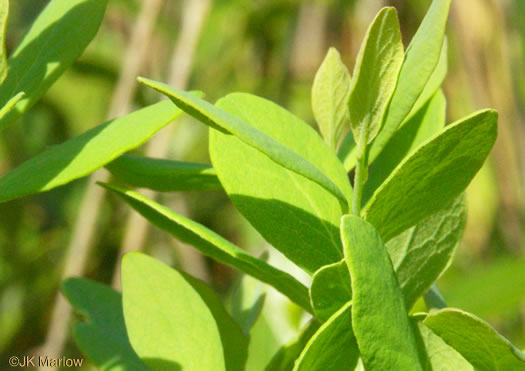
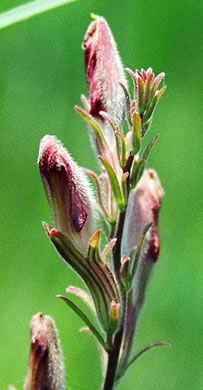
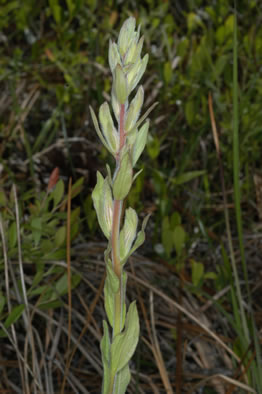
The ubiquitous bracken fern (Pteridium aquilinum) becomes the dominant herb in the spring after annual winter fires. The rare American chaff-seed (Schwalbea americana) occurs in openings of the herb layer.
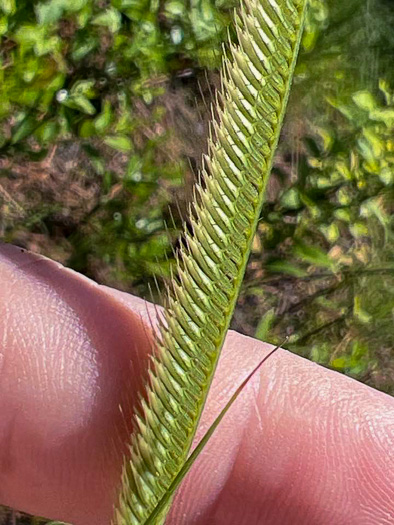
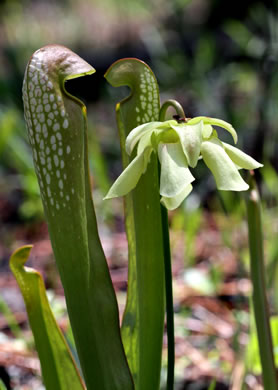
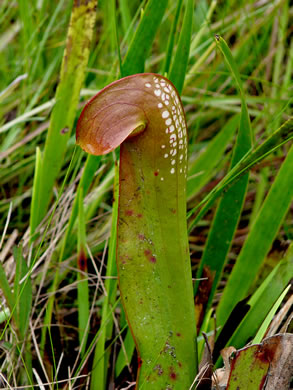
The pine flatwoods grade into the longleaf pine savanna community, and distinguishing between the two can be difficult. Slight depressions that have a high clay hardpan occur within the pine flatwoods and harbor the typical species that characterize the savannas. At other sites, savannas cover extensive areas that are easily distinguishable from the adjacent pine flatwoods. Two species can be used to identify the two habitats: hooded pitcher-plant (Sarracenia minor) and toothache grass (Ctenium aromaticum). Both species require more open and moist conditions than is normally found in the pine flatwoods; their presence indicates pine savannas. Pocosins, cypress savannas, and upland swamps also occur scattered within pine flatwoods. The pine flatwoods are a fire subclimax; prolonged absence of fire will lead to hardwood forests.
Pine/saw palmetto flatwoods
The pine/saw palmetto flatwood community is found only in Jasper and Beaufort Counties, its northern limit. It is more extensive in Florida and Georgia. The canopy consists of longleaf pine on the ridges and slash pine (P. elliottii) and/or pond pine (Pinus serotina) in depressions. A subcanopy of oaks is usually sparse. Saw palmetto (Serenoa repens) dominates the shrub layer. Other shrubs include
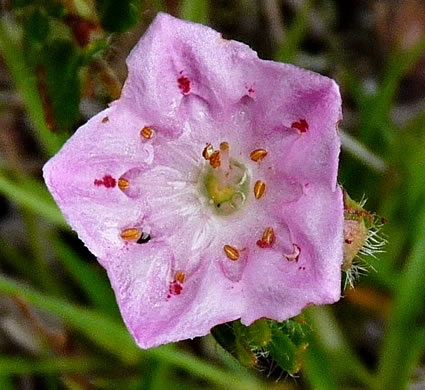
hairy wicky (Kalmia hirsuta),
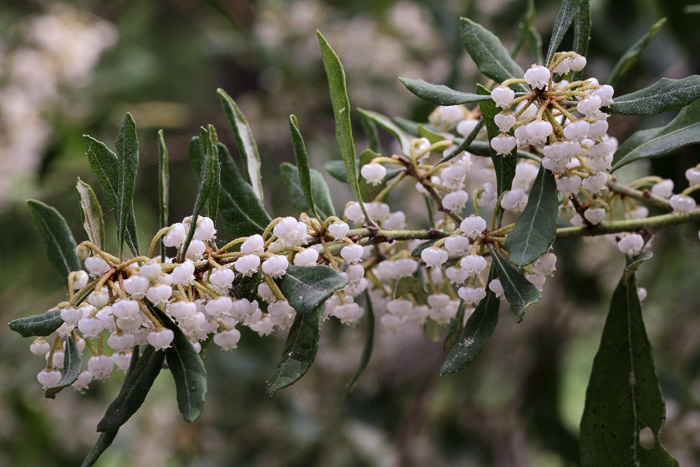
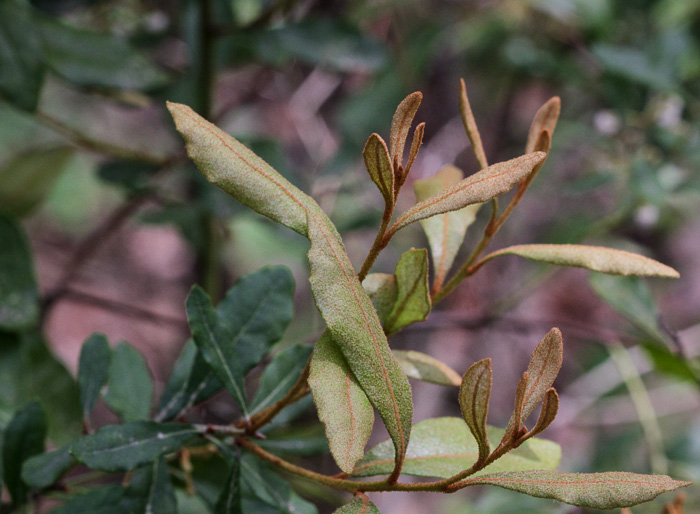
rusty lyonia (Lyonia ferruginea),
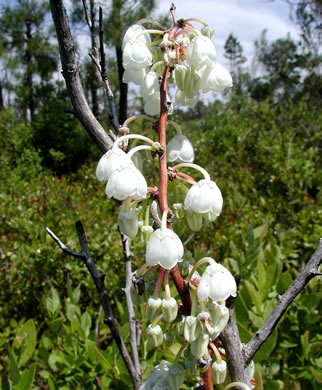
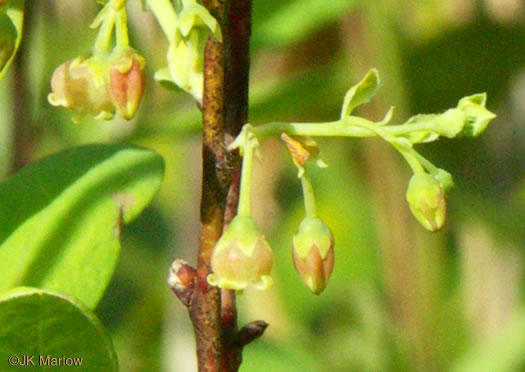
and southern evergreen blueberry (Vaccinium myrsinites).
The latter two are confined to this community, occurring only in Beaufort and Jasper Counties. Typical pocosin and pine flatwood species such as
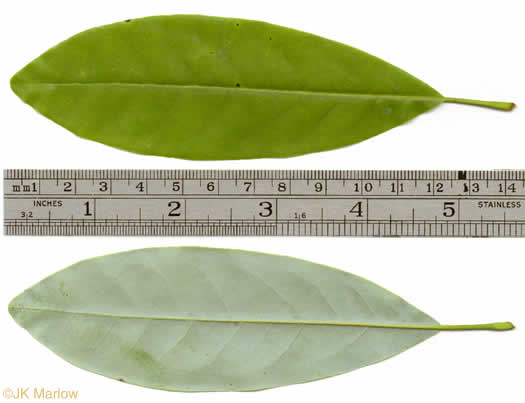
sweet bay,
swamp red bay,
inkberry,
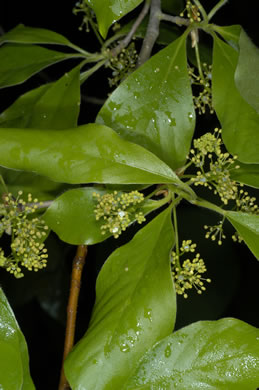
sweet gallberry,
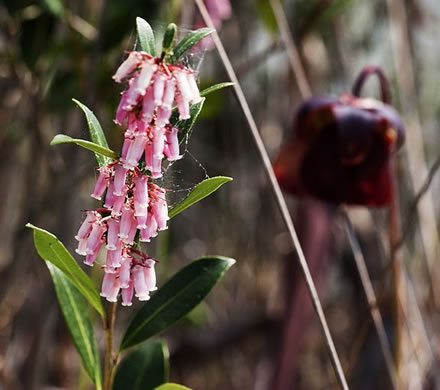
fetterbush,
sweet pepperbush,
and honey-cups
are also part of the shrub layer. The sparse herbaceous layer is a mixture of pine flatwood species and includes
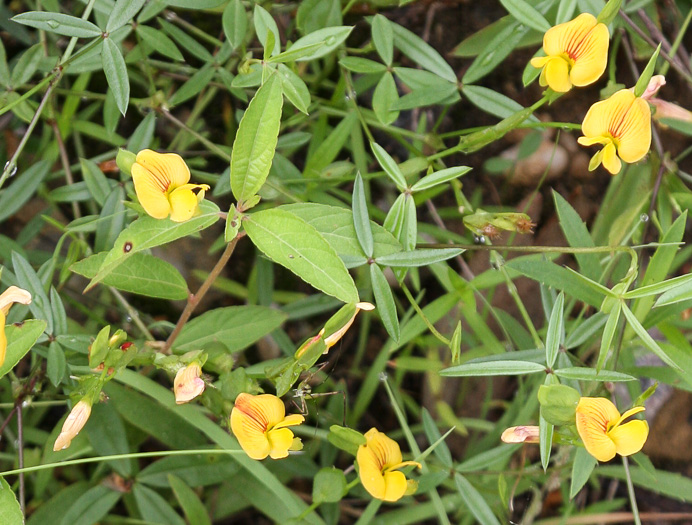
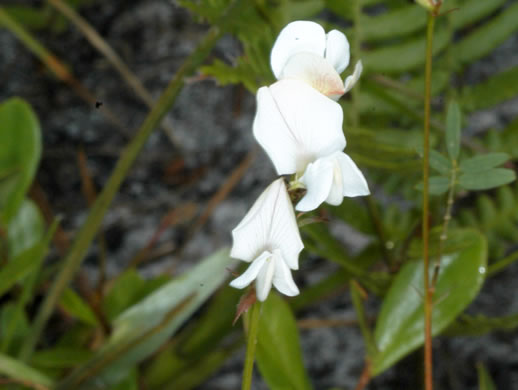
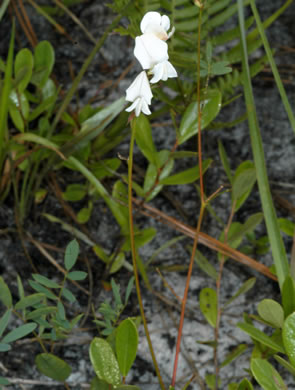
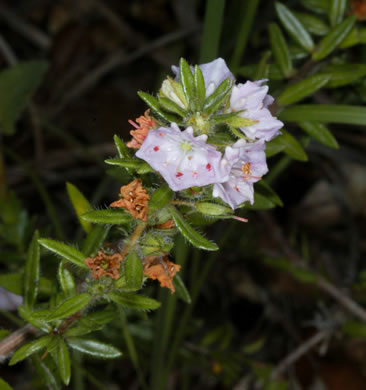
galactia (Galactia elliottii),
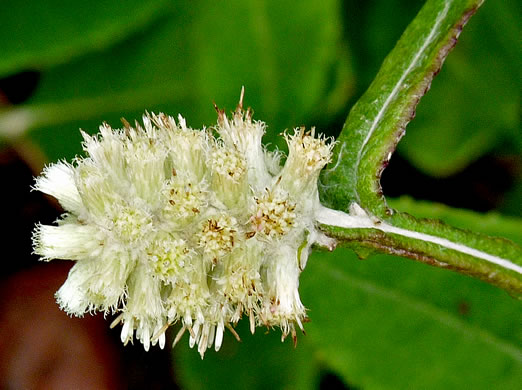
vanilla plant (Carphephorus odoratissimus),
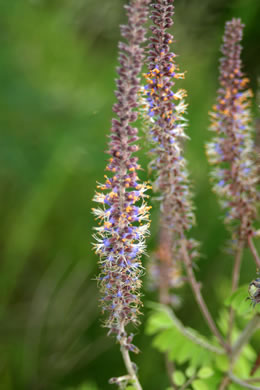
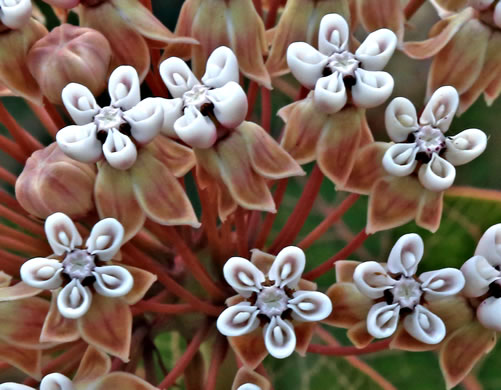
and Walter's milkweed (Asclepias cinerea).
Periodic fires promote herbs and saw palmettos. An absence of fires leads to more of a dominance of shrubs.
The best example of this community available to the public is Victoria Bluff Heritage Preserve in Beaufort County.
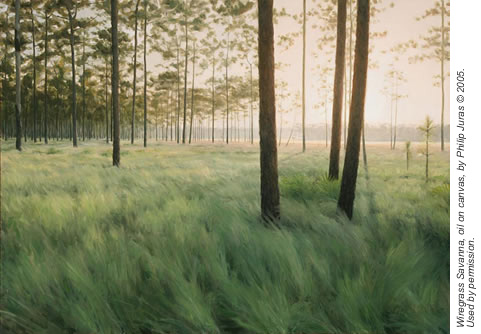
Longleaf pine savannas
For showy wildflowers no natural community equals the longleaf pine savannas. From early spring through late fall, a progression of herbaceous wildflowers graces the coastal plain with a mix of colors that the earliest settlers loved. Orchids, carnivorous plants, lilies, showy composites, plus many other groups all find a home in the sunny, pine savannas….
It is a paradox that fire is responsible for maintenance of the savannas. Native Americans burned the savannas to drive game and to clear the ground around settlements. Natural fires, started by lightning, swept through the pinelands, mostly during July and August. Trees and shrubs, with their growing tips at fire level, were killed. Herbaceous species, with their stems (rhizomes) underground, were protected. Shortly after a fire, these herbaceous species put up new growth, and what first appeared as a scene of utter desolation quickly becomes a wildflower garden again.
On the other hand, savannas, protected from fire, quickly succeed to a shrub community, then to a tree-dominated forest. Under a forest canopy, the savanna herbs, which require high light intensity, cannot survive.
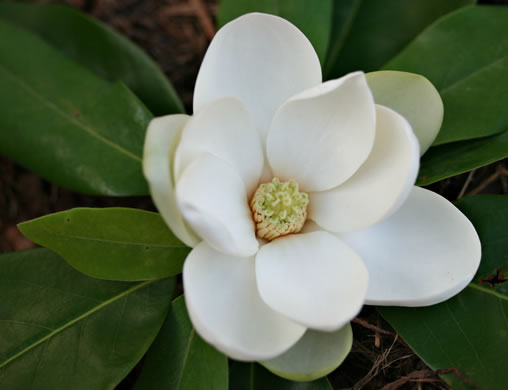
One tree that is able to survive the frequent burning of the savannas is sweet bay (Magnolia virginiana). It does so because its stem is buried in the soil. After a fire, it puts up a cluster of new shoots, giving the appearance of a shrub. If the root-stem system is dug up, one finds a single, enlarged rootstock, which is a testimony that the “tree” may be many years old even though its aboveground stems represent one or two years of growth.
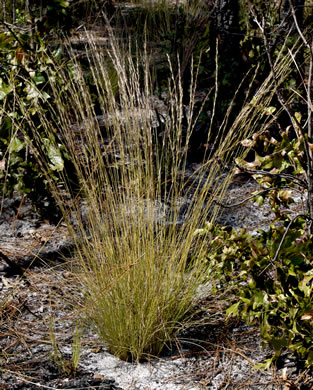
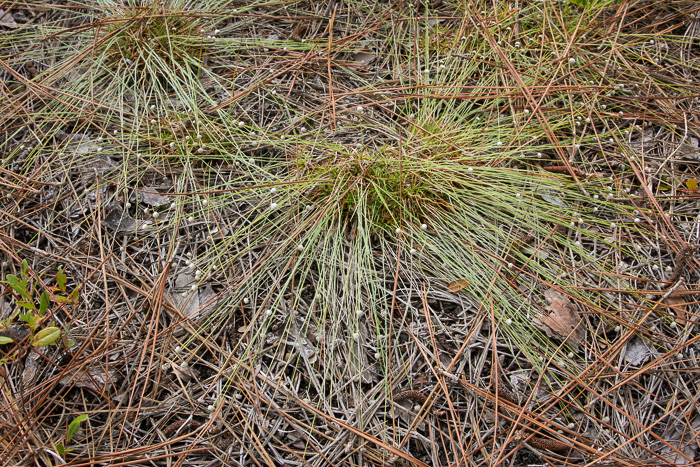
Two general types of longleaf pine savannas can be recognized: one dominated by toothache grass and hooded pitcher-plant (Sarracenia minor) and the other by wiregrass (Aristida stricta in the northeast, and A. beyrichiana in the southeast). Both types of savannas develop where the combination of fairly level topography and nondraining subsoil causes a high (or perched) water table in the rainy season. Loblolly pine, slash pine, and pond pine may occur with the longleaf. During droughts, the soil above the clay hardpan may become excessively dry. Only wiregrass and the bog species can tolerate these extreme changes. Wiregrass, however, favors coarse soil where there is some slope to allow lateral drainage, resulting in slightly drier conditions. Toothache grass and the showy herb species prefer wetter conditions. The greatest display of showy herbs occurs in the toothache grass longleaf savannas.
Most savannas today occur in national forests or on large plantations as a result of prescribed burning. Small, privately owned savannas are threatened since natural wildfires are quickly put out or do not spread because of barriers, such as roads. Pine savannas are threatened due to the construction of houses or commercial properties and drainage canals. These canals lower the water table, allowing for the invasion of less moisture-tolerant species. Recent data suggests that more than 95% of longleaf savannas have been lost. Unless protective measures are taken, by the next century this community may be insignificant.
Longleaf pine-turkey oak xeric ridges
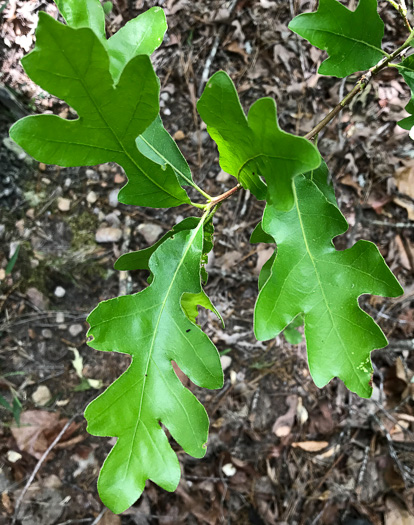
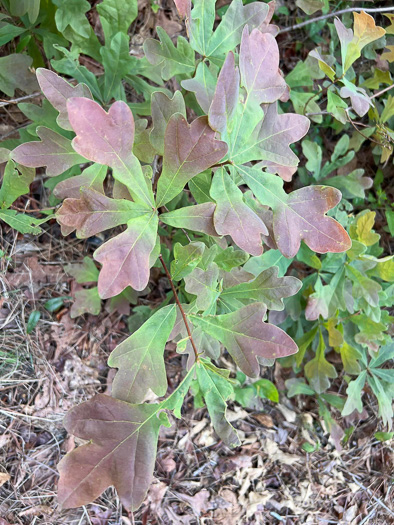
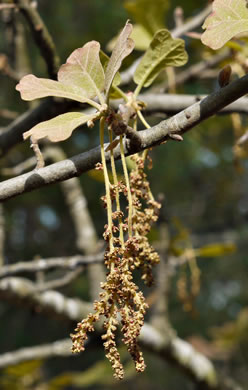
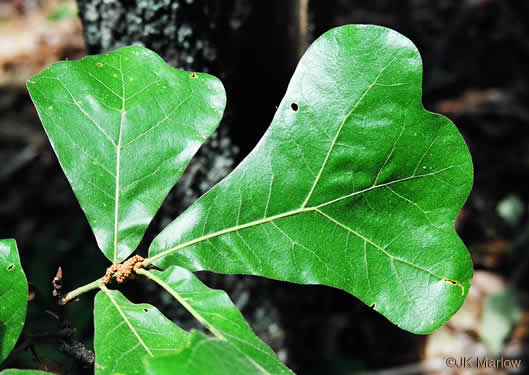
The xeric longleaf pine-turkey oak communities of the coastal plain occur on sandy ridges. The ridges have three different origins. Although they share many common species, their distinguishing floristic composition is based on the origin of the sand. All three types of ridges have longleaf pine and turkey oak as the dominant trees. Some of the classic wildflowers occurring on all three types of xeric ridges in the coastal plain include
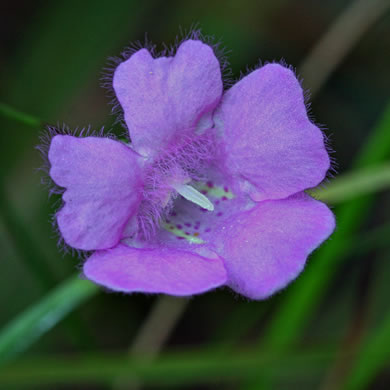
sandhills gerardia (Agalinis setacea),
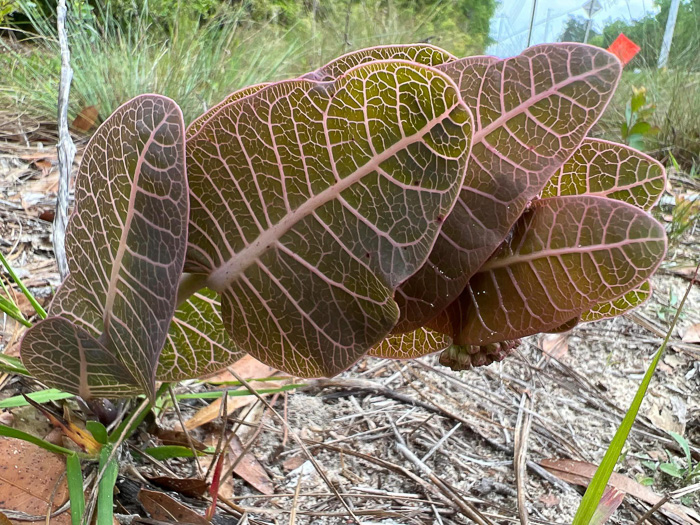
sandhills milkweed (Asclepias humistrata),
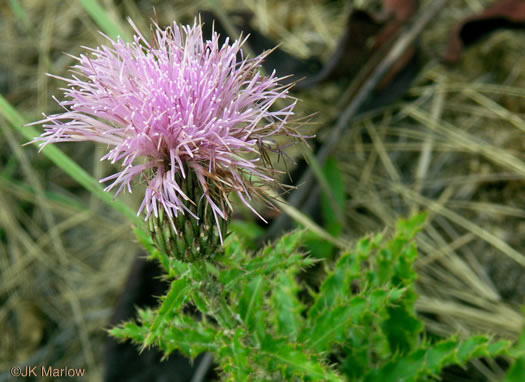
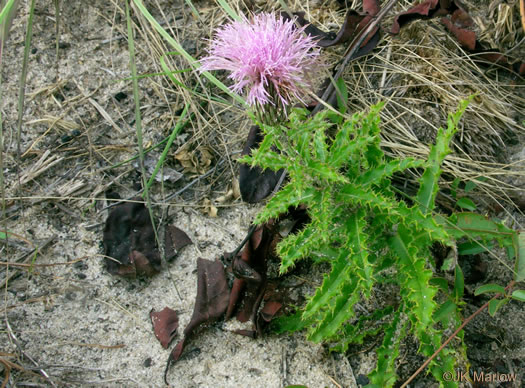
sandhills thistle (Cirsium repandum),
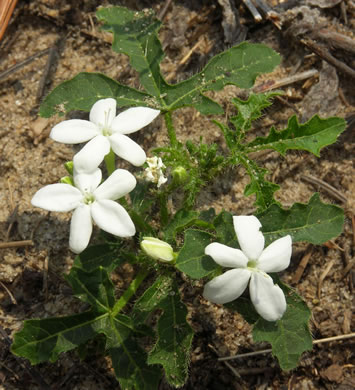
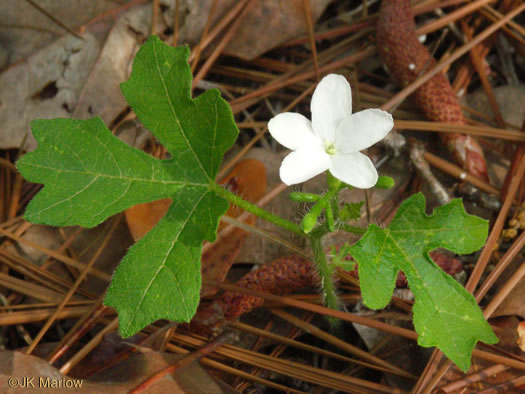
tread-softly (Cnidoscolus stimulosus),
and wire-plant (Stipulicida setacea var. setacea).
Brownwater sand ridges. Sand ridges along brownwater rivers, such as the Savannah River, which originates in the mountains, are fluvial (water deposited) in nature and come from erosion in the piedmont and mountains. They are nutrient-rich, unlike the Carolina bay ridges and blackwater ridges, and harbor several species not found on the bay and blackwater ridges. These species include
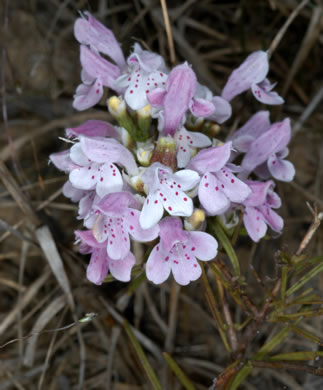
rose dicerandra (Dicerandra odoratissima),
gopher-apple (Licania michauxii),
soft-haired coneflower (Rudbeckia mollis),
and warea (Warea cuneifolia).
Tillman Sand Ridge Heritage Preserve in Jasper County, along the Savannah River, is a good example of a brownwater sand ridge.
Blackwater sand ridges. The sands of the blackwater sand ridges are marine in origin since they come from the coastal plain. They develop along the blackwater, coastal plain rivers such as the Little Pee Dee and Edisto, and are deposited by wind and water. They are ancient in origin, deposited as the last glaciers retreated from the fall line. Their soils are less fertile than the brownwater sand ridges. Two good sites to see blackwater sand ridges are Little Pee Dee State Park in Dillon County and Little Pee Dee River Heritage Preserve (Vaughn Tract) in Horry County.
Four wildflowers that are characteristic of the blackwater sand ridges and bay ridges, but are usually absent from the brownwater ridges, are
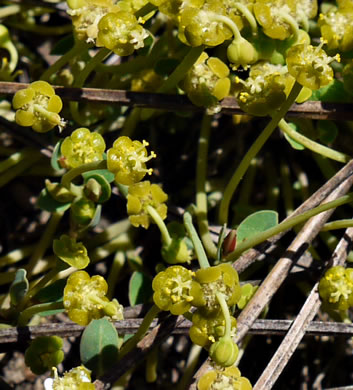
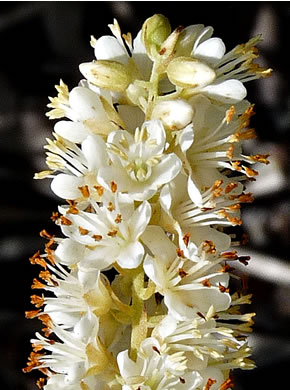
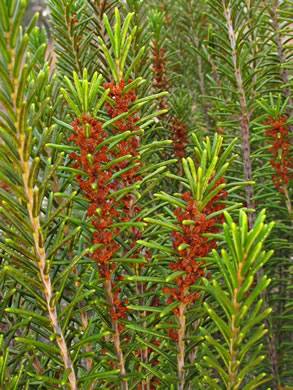
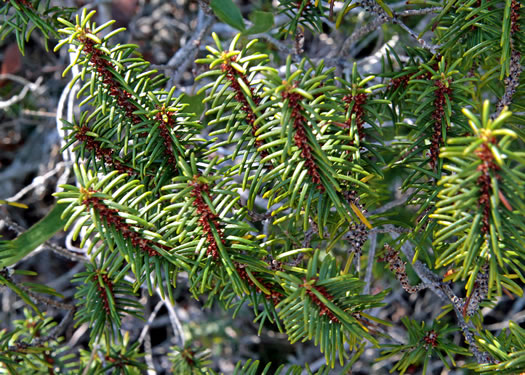
rosemary (Ceratiola ericoides),
sandy-field beaksedge (Rhynchospora megalocarpa),
Carolina ipecac (Euphorbia ipecacuanhae),
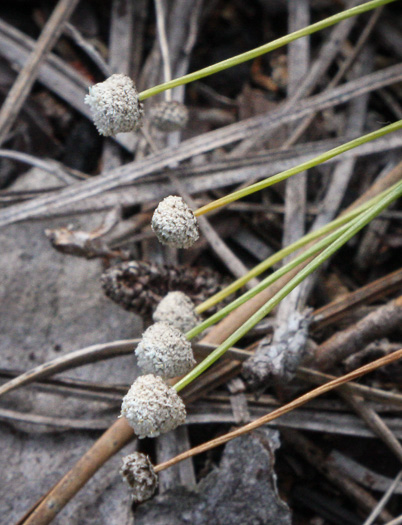
and southern bog buttons (Lachnocaulon beyrichianum).
Bay ridges. Bay ridges (often called bay rims) occur along the southeastern side of Carolina bays. Bay ridges, blackwater sand ridges, and brownwater sand ridges all harbor the longleaf pine-turkey oak ridge community. The ridges were deposited by winds blowing during the period when the bays originated. Excellent examples of Carolina bay ridges that support typical xeric species occur in Horry County in Cartwheel Bay Heritage Preserve and Lewis Ocean Bay Heritage Preserve, as well as Woods Bay State Park in Sumter County.
The wildflowers and vegetation of the bay ridges are similar to the blackwater ridges. No Carolina bays are associated with brownwater rivers.
South Carolina's Natural Wildflower Communities is adapted from A Guide to the Wildflowers of South Carolina by Richard D. Porcher and Douglas A. Rayner. Used by permission.
To see pictures or additional information about a particular plant, click its name or its picture.