South Carolina's Natural Wildflower Communities —
THE COASTAL PLAIN:
The freshwater marsh communities
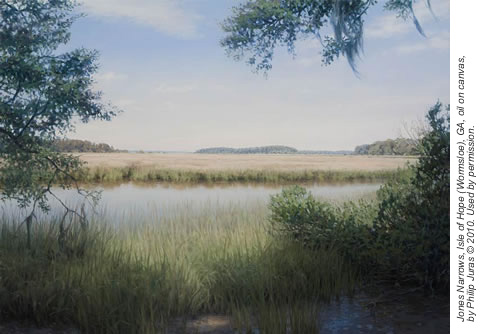
Marshes are wetlands that are inhabited by herbaceous plants that have their roots in the substrate but with their photosynthetic and reproductive organs principally emersed. Freshwater marshes are more or less permanently flooded. The dominant species are grasses, rushes, and sedges along with numerous broadleaf flowering plants. Freshwater marshes occur along tidal rivers and inland along pond and lake margins, in beaver ponds, in canals and ditches, and in managed impoundments.
Of the two types of freshwater marshes, the inland and tidal, the latter covers by far the greater area in the coastal plain. Although both inland and tidal freshwater marshes have essentially the same flora, the tidal marshes do have some species that do not occur farther inland. For examples, wild rice (Zizania aquatica), southern wild rice (Zizaniopsis miliacea), and saw-grass (Cladium jamaicense) generally tend to be absent from the inland marshes.
Tidal freshwater marshes
Tidal freshwater marshes are much more diverse ecologically and floristically than either salt marshes or brackish marshes. Indeed, they are among the most diverse wetland plant communities in the continental United States. In the freshwater tidal marshes along the Cooper River in Berkeley County, over 100 species of vascular plants have been identified A similar diversity occurs in the marshes of the other rivers in the coastal area. The floristic composition varies from site to site within a river as well as between rivers. Zonation may exist within a site, but it is not repeated consistently from site to site.
In the pre-settlement rivers of the coastal plain, tidal freshwater marshes occurred as fringes along the rivers where tidal freshwater swamps bordered the rivers. Today, however, the majority of tidal freshwater marshes occur in abandoned rice fields. The rice fields, in turn, were originally tidal cypress-gum freshwater swamps that occurred along every tidal river along the Carolina coast. Where there was a swamp that had at least a three-foot difference in tidal amplitude, the swamp was ultimately converted into rice fields. When rice growing ended in the early 1900s, the fields followed two fates:
(1) either the banks around the fields were maintained and water control structures were used to select a water regime that encouraged the growth of plant species that attracted waterfowl, which were usually hunted, or
(2) the fields were abandoned, allowing nature to take its course. It is these abandoned rice fields that today support the greatest acreage of tidal freshwater marshes.
The species that characterize this marsh community are those with their leaf-bearing stems or leaves extended above the water. They include various rushes, sedges, cat-tails, and broadleaf flowering species. These flowering species, most of which do not occur in brackish or salt marshes, make this one of the greatest wildflower communities. Although the flowering species do not dominate the system, they are sufficiently common to add a distinctive beauty and color to the marsh-scape. The best way to view this community is by boat.
Some of the more conspicuous wildflowers of the tidal marshes are
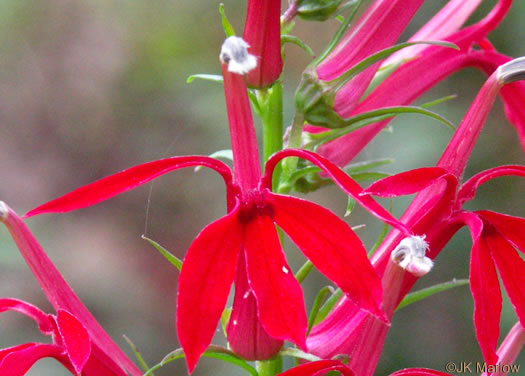
cardinal flower,
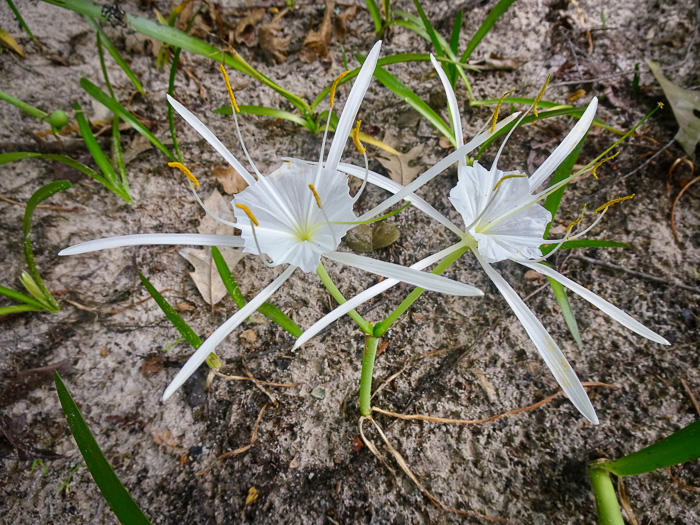
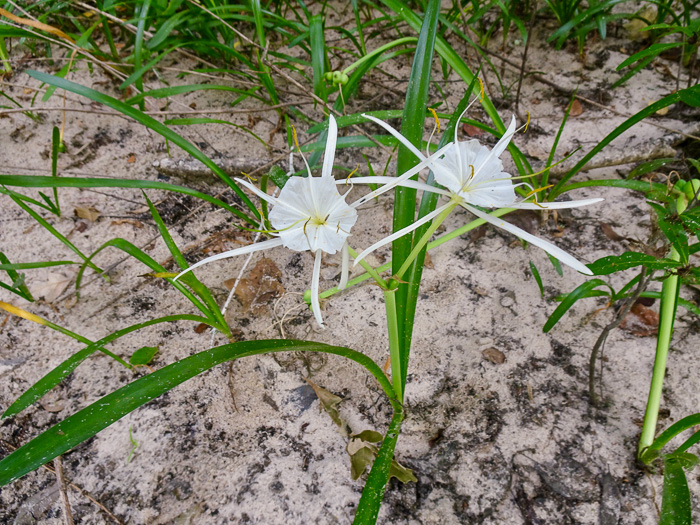
spiderlily (Hymenocallis floridana),
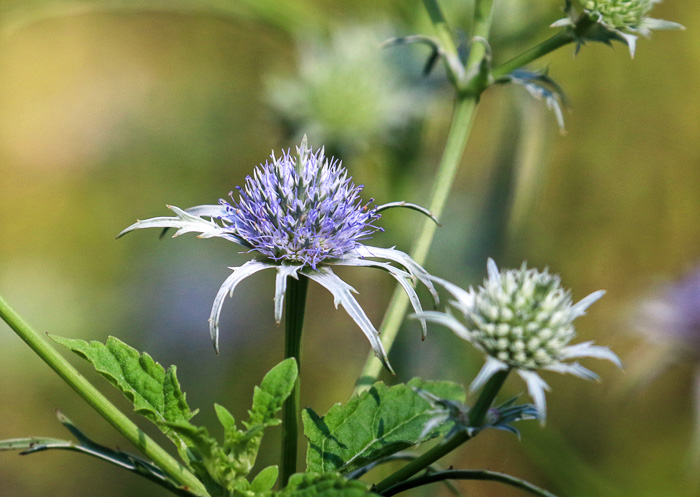
eryngo (Eryngium aquaticum var. aquaticum),
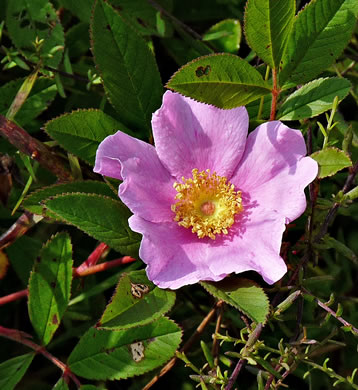
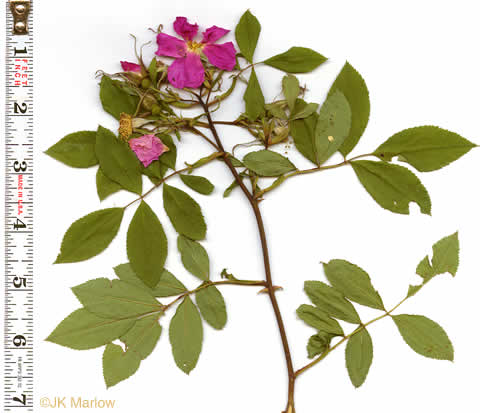
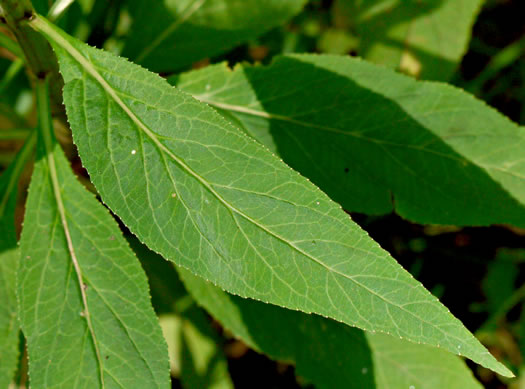
swamp rose,
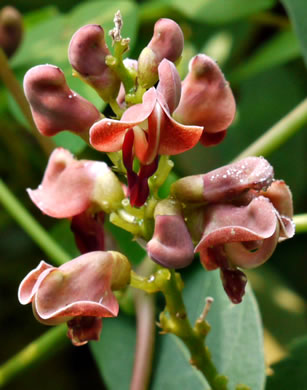
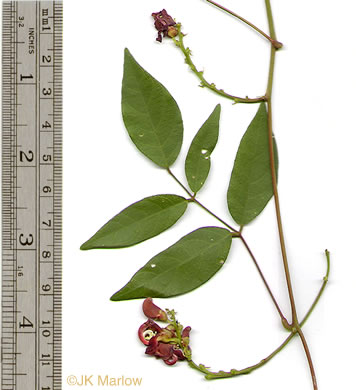
groundnut (Apios americana),
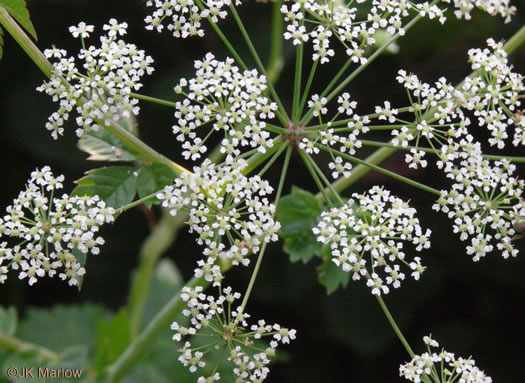
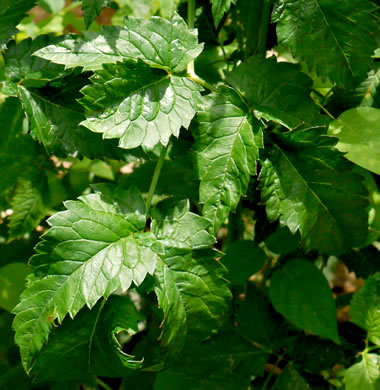
water hemlock (Cicuta maculata),
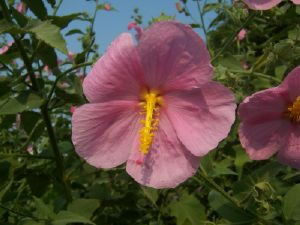
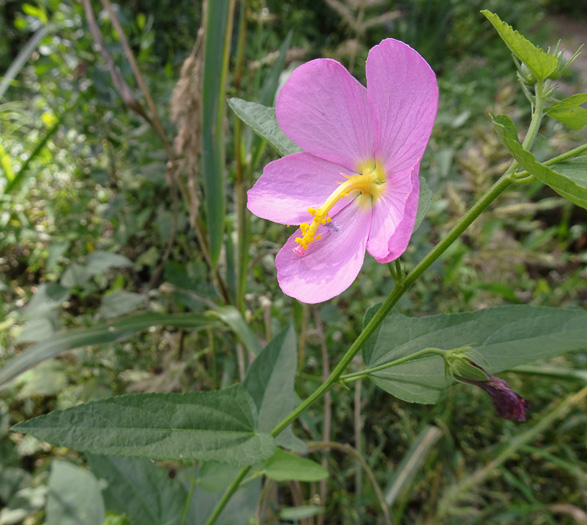
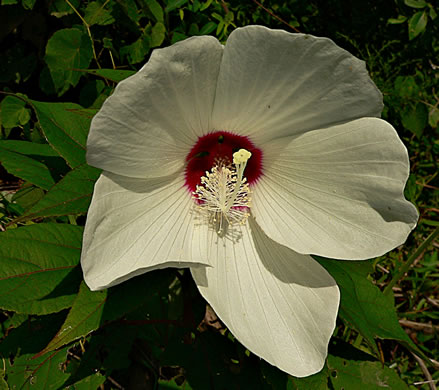
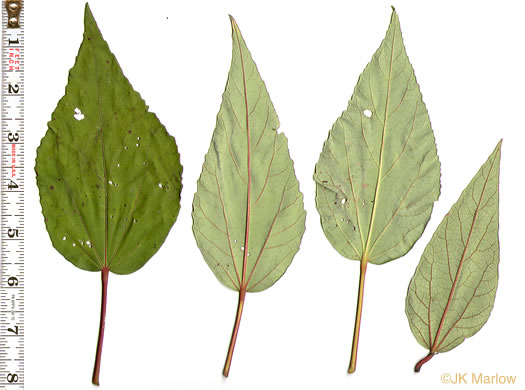
swamp rose mallow (Hibiscus moscheutos subsp. moscheutos),
seashore mallow (Kosteletskya virginica),
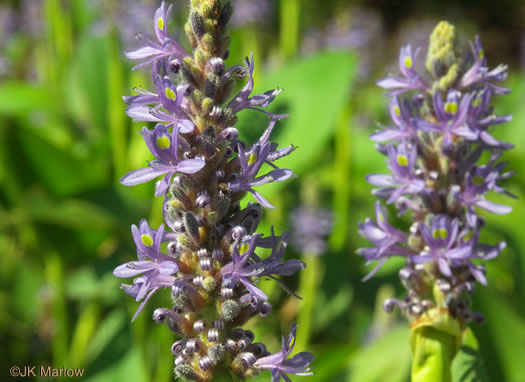
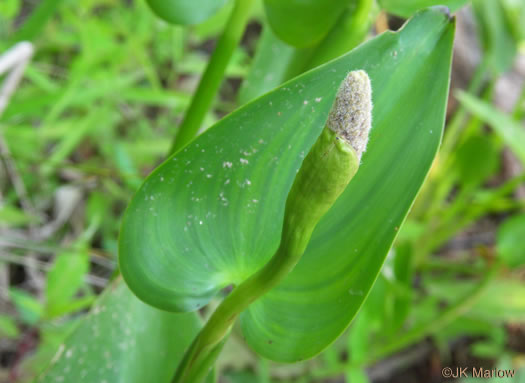
pickerelweed (Pontederia cordata),
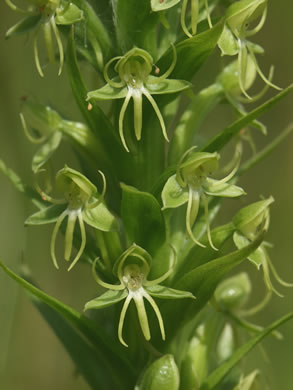
water-spider orchid (Habenaria repens),
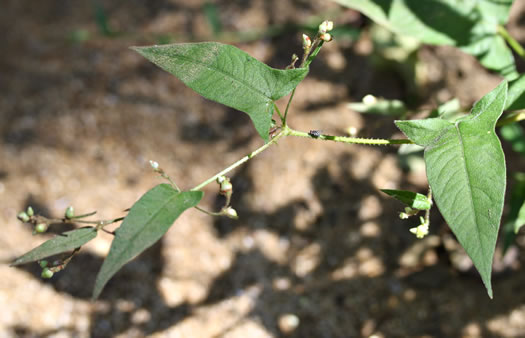
and tear-thumb (Polygonum arifolium).
Inland freshwater marshes
Inland freshwater marshes occur in a variety of natural and human-made habitats: ditches and canals, lake and pond margins, beaver ponds, and managed impoundments. These marshes contain a wide mix of wetland species. Many of the species of the tidal marshes occur in the inland marshes. Some species that appear to be more common in these inland marshes include showy plants like
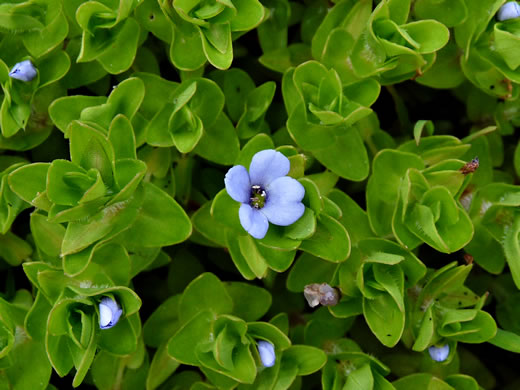
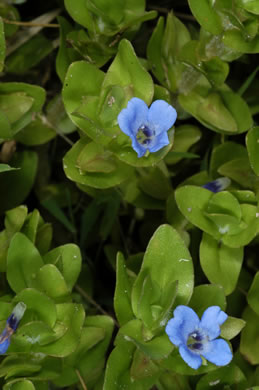
Carolina water-hyssop (Bacopa caroliniana),
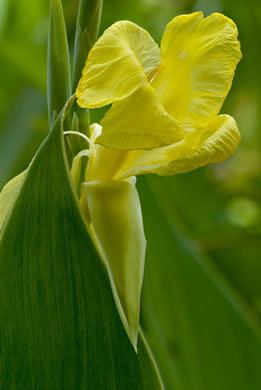
golden canna (Canna flaccida),
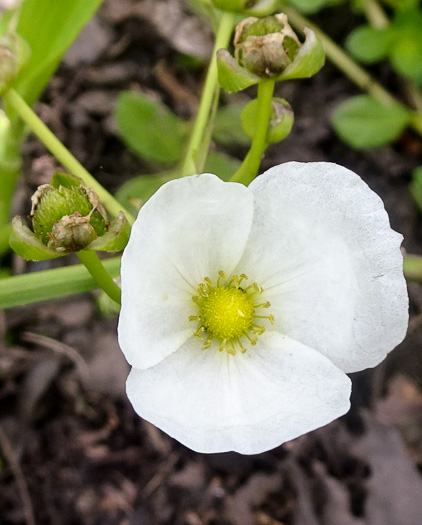
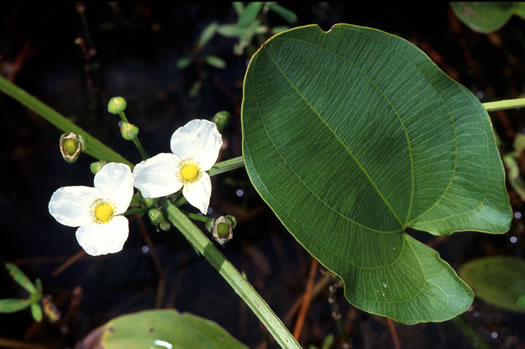
creeping burhead (Echinodorus cordifolius),
long beach seedbox (Ludwigia brevipes),
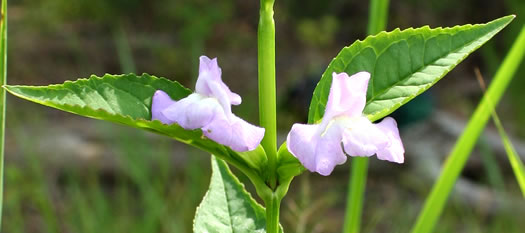
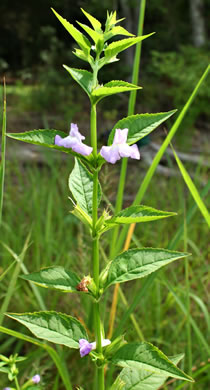
winged monkey-flower (Mimulus alatus),
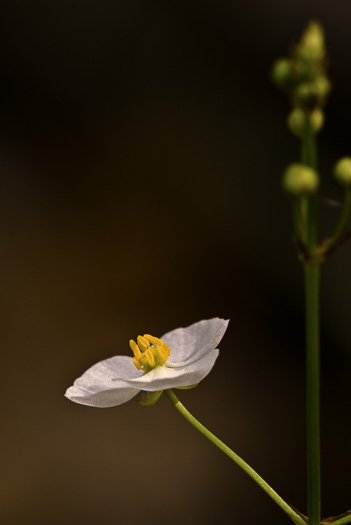
and arrowhead (Sagittaria graminea var. graminea).
South Carolina's Natural Wildflower Communities is adapted from A Guide to the Wildflowers of South Carolina by Richard D. Porcher and Douglas A. Rayner. Used by permission.
To see pictures or additional information about a particular plant, click its name or its picture.